Digital matte painting
Digital matte painting fills in the section of a shot that was never built: the cliff past the edge of the set, the city on the horizon, the sky that was wrong on the day. Chumak Studio has 27 matte painting credits, from 2017 to 2026.
- Years active in this service
- 2017–2026
- Studios on those credits
- Eyeline, Folks VFX, Pixomondo, PostModern Digital, SnowDog VFX
- Based in
- Toronto, Canada
- Published examples here
- 2 project pages
More work is being added to this gallery.
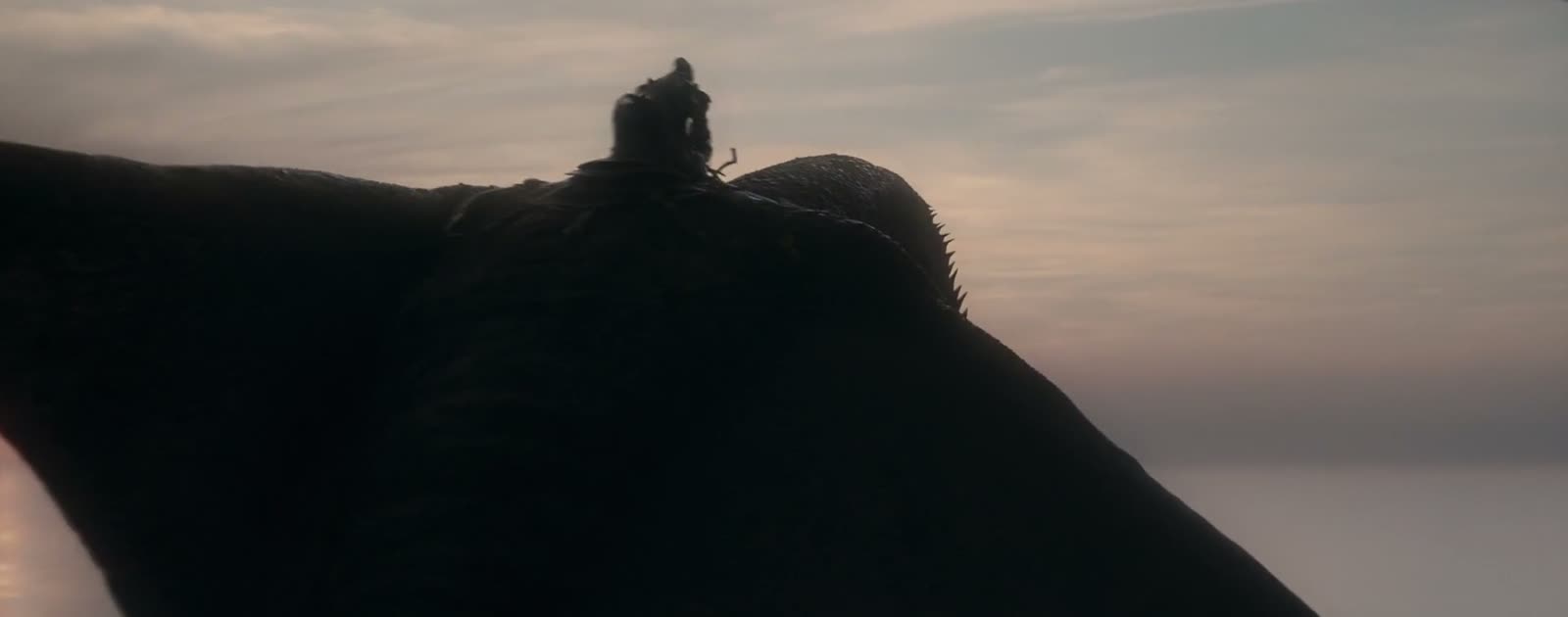
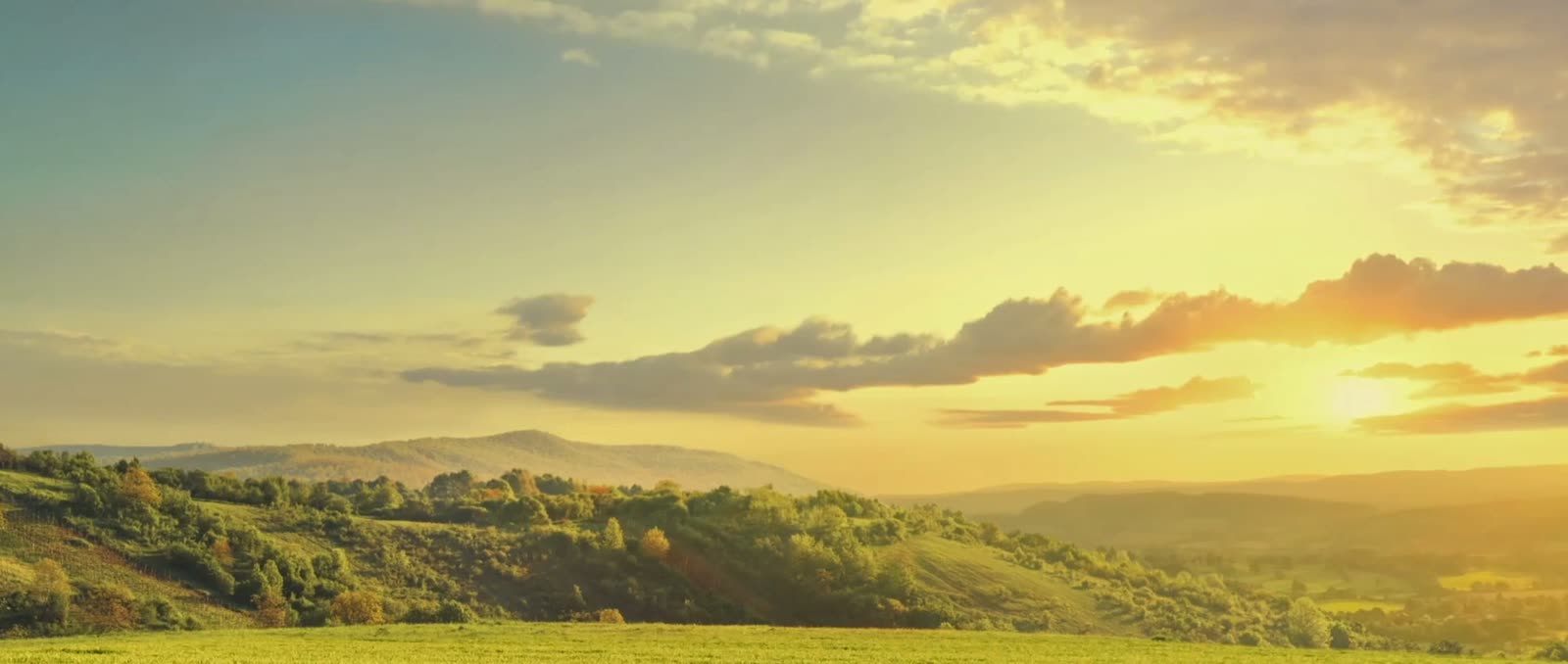
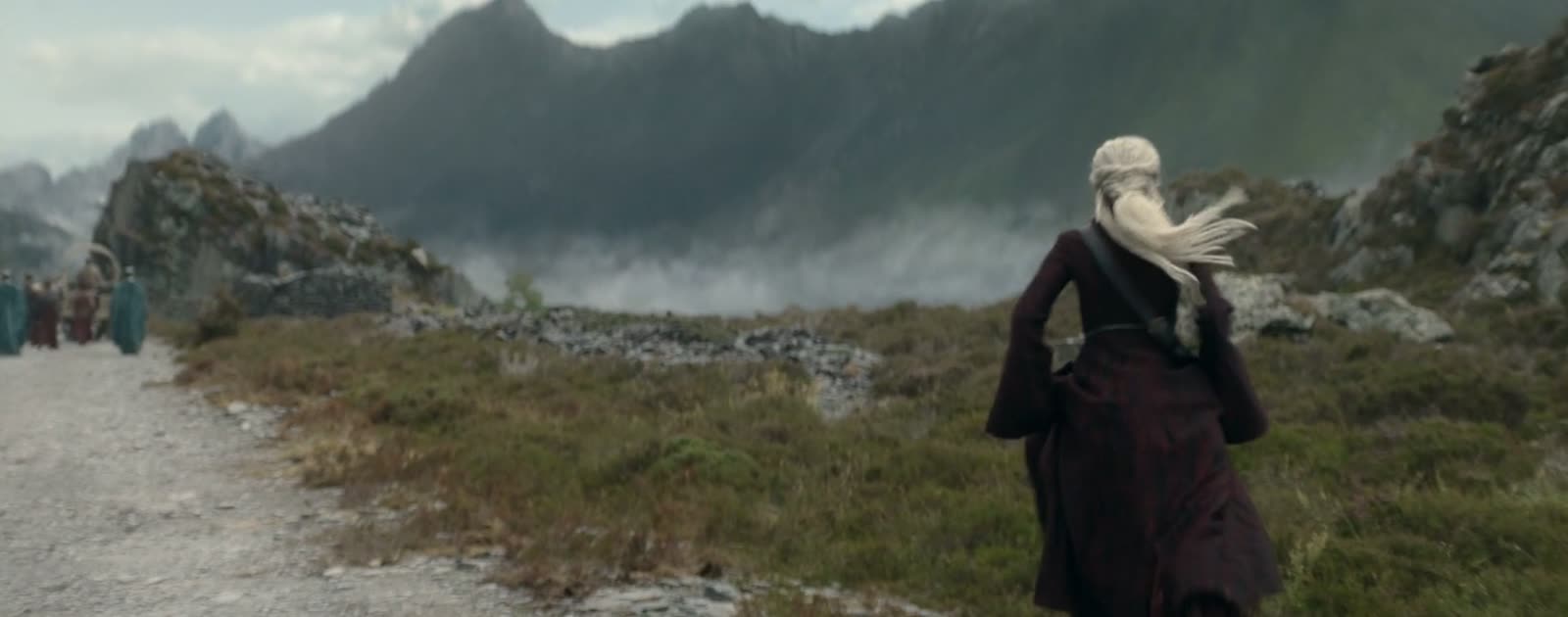
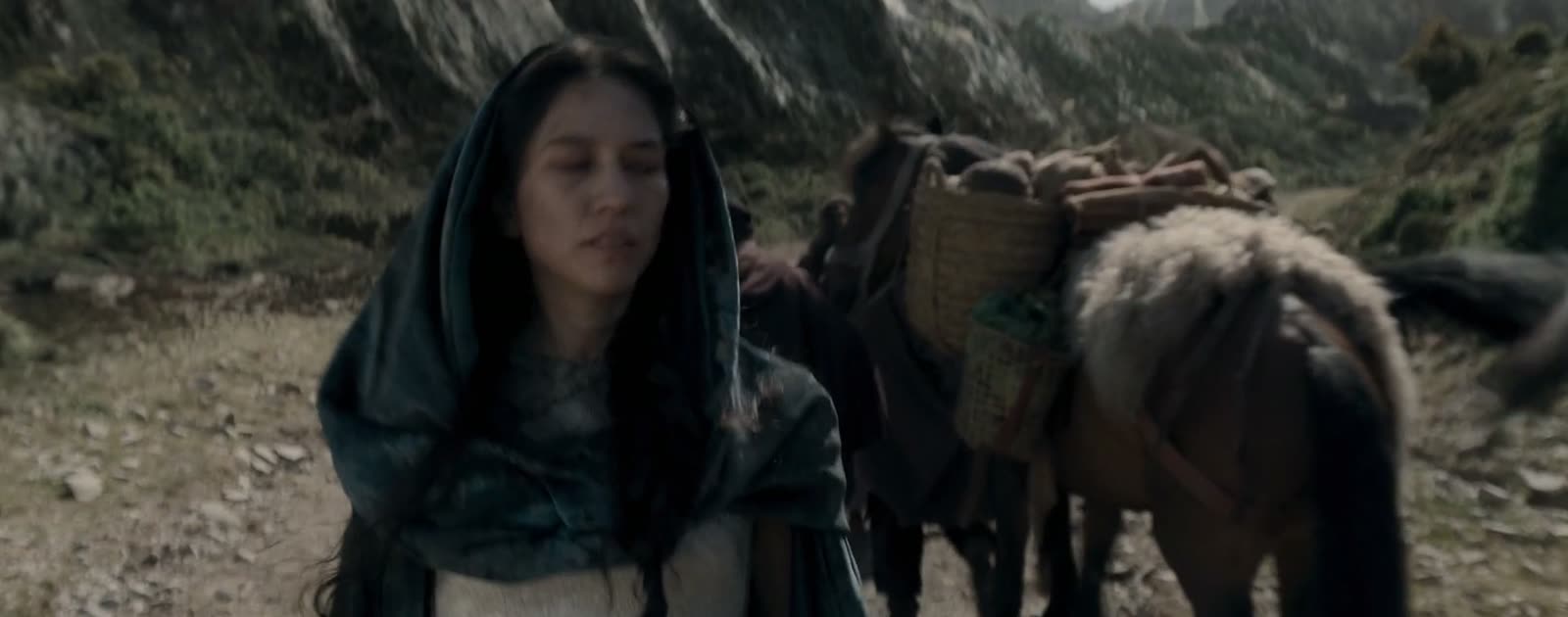
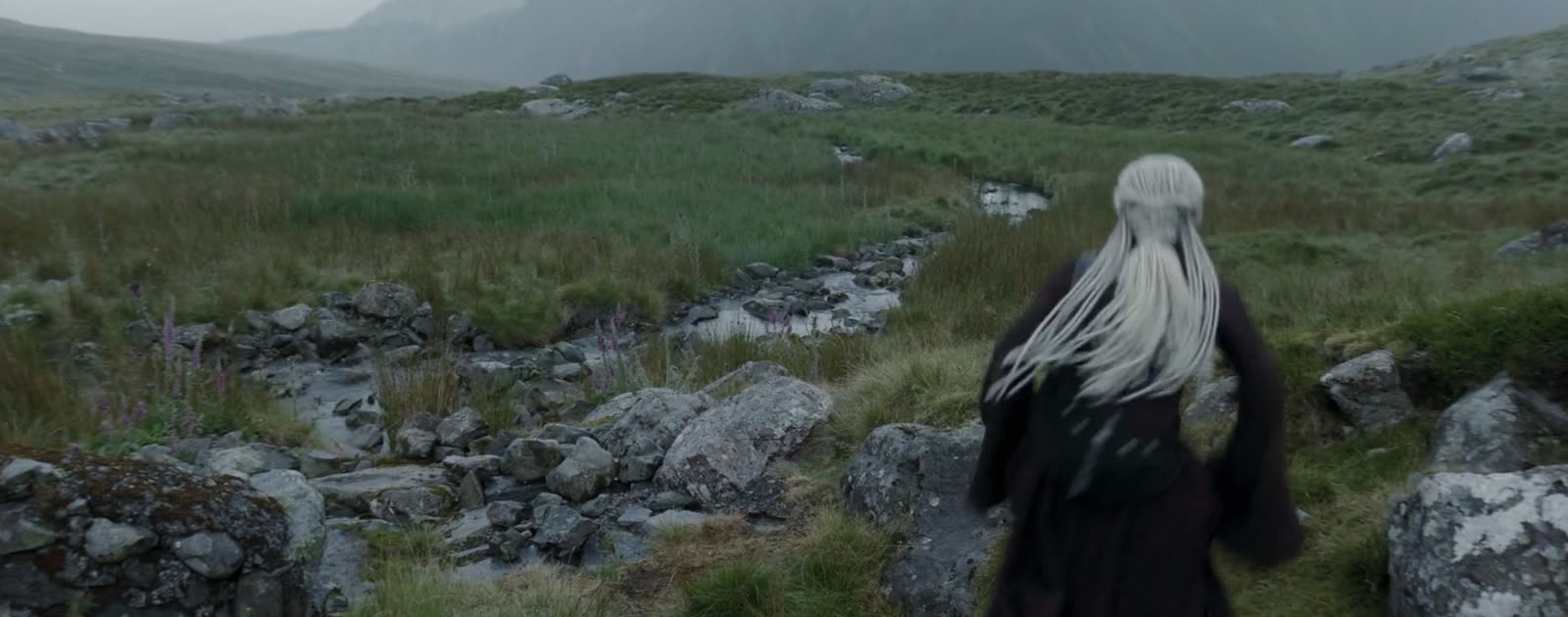
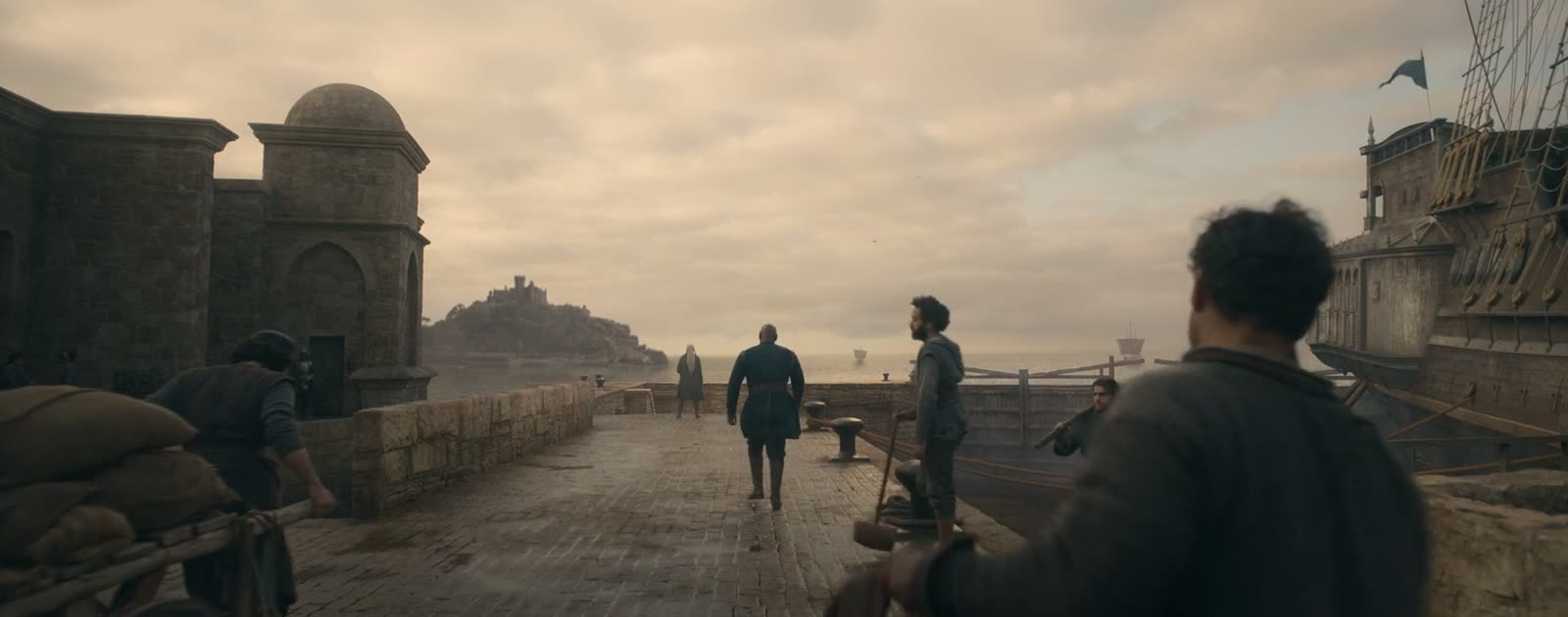
Two different jobs share the name
A set extension comes first. A real plate shows a real actor on a real build, and the build stops a few metres past the edge of frame. Everything beyond it is painted in, including the rest of the fortress, the drop to the water, and the ridge behind it, so the frame continues.
Any painted element must sit below the photography, not above it, and must match its lens, its haze, its grain and its light. If viewers notice the join, they stop following the scene and start watching its edge. The second job is a completely painted environment, where nothing in front of the camera was ever there: a coastline, a flooded city, a planet. In that case, the scene itself is the reference, rather than a plate. Both jobs draw on the same craft and differ only in how much of the frame was photographed.
How a painting is made
The sequence of steps differs from one vendor to another, but the basic pattern stays the same. The plate is the first input: it records what the lens did, where the horizon sits, how the light falls, and how far the camera travels. A locked-off frame can be painted as a flat image; a shot with movement cannot.
The paint is made for projection onto simple geometry matching the scene, and that is what lets a painted world hold its parallax while the camera moves through it. The painting itself is put together more than it is painted directly: photographic reference is cut, warped, repainted and blended until none of the seams survive; rendered geometry supplies whatever has to be exact; then everything is painted over until the separate origins no longer appear distinct. The test at each stage is whether the frame looks like a place a camera found instead of an image somebody produced.
What production-ready means
Looking good on screen at a comfortable size does not make a painting finished. To be finished, the painting has to hold up at full resolution with someone viewing it at 100 percent, has to stay correct on the projection through the whole camera move, and has to arrive in parts that a compositor can use immediately.
The result is a stack of layers, not one flat picture: sky, far ground, mid ground, atmosphere, and anything that has to move on its own. Most environment work is delivered as OpenEXR, the format maintained by the Academy Software Foundation at openexr.com, because a single file carries multiple layers and high dynamic range together. Chumak Studio delivers to the naming, colour space and pass structure that the pipeline documents specify, rather than to a house standard.
Why the spec changes between shows
Software versions are not the same across vendors, and those differences are not random. Once a year, the VFX Reference Platform, available at vfxplatform.com, defines the library versions that the industry agrees to use for builds. A delivery that was correct on last year's show can therefore be wrong on this one.
Colour behaves the same way. A production that chooses ACES as its standard, published through ACEScentral at acescentral.com, has already fixed the colour space for every vendor. Chumak Studio requests both answers before the first plate arrives, because together they define the delivery spec.
The work behind it
Overpainting beaches and cliffs, painting background mountain ridges, adding vegetation to the far cliffs, layering clouds, and replacing skies made up the House of the Dragon work as senior matte painter at Pixomondo across four episodes of the second season. The goal was scale without spectacle, so each plate had to appear as a real location, not a set piece.
Earlier features and series pressed the same craft into harder, wider service, from full-frame paintings and changes in season and weather to invented cities and coastlines, much of it completed as digital matte painter at PostModern Digital between 2018 and 2020. No part of this work comes from generation. Every element results from photography, rendering or painting.
Digital matte painting credits
| Year | Production | Role |
|---|---|---|
| 2026 | Daredevil: Born Again | Senior matte painter, Folks VFX |
| 2026 | Greenland 2: Migration | Digital matte painter |
| 2025 | Ballerina | Senior matte painter, Pixomondo |
| 2025 | Black Phone 2 | Senior DMP artist, Folks VFX |
| 2025 | Chief of War | Senior DMP artist |
| 2025 | Marty Supreme | Senior digital matte painter |
| 2025 | The Old Guard 2 | Digital matte painter, Pixomondo |
| 2024 | Avatar: The Last Airbender | Senior digital matte painter, Pixomondo |
| 2024 | House of the Dragon | Senior matte painter, Pixomondo |
| 2024 | The Penguin | Senior matte painter |
| 2023 | Dovbush | DMP artist |
| 2023 | Ghosted | Digital matte painter |
| 2023 | Perry Mason | Matte painter |
| 2023 | Star Trek: Strange New Worlds | Senior matte painter |
| 2023 | The Changeling | Senior digital matte painter, Pixomondo |
| 2022 | Erik Kivisüda | Digital matte painter, SnowDog VFX |
| 2022 | See | Digital matte painter, Pixomondo |
| 2022 | Vesper | Digital matte painter |
| 2021 | Pulse | Lead matte painter, PostModern Digital |
| 2021 | Warpath Showdown | Matte painter |
| 2020 | The Rescue | Digital matte painter, PostModern Digital |
| 2019 | Shanghai Fortress | Digital matte painter, PostModern Digital |
| 2019 | The Rising Hawk | Digital matte painter, PostModern Digital |
| 2019 | The Wandering Earth | Digital matte painter, PostModern Digital |
| 2018 | 2.0 | Digital matte painter, PostModern Digital |
| 2018 | The Bobot | Matte paint artist |
| 2017 | Cyborgs: Heroes Never Die | Digital matte painter |
| 2017 | The Stronghold | Digital matte painter |
Questions producers ask
Can you work inside our pipeline?
Yes. Most vendors work with their own naming, colour space and hand-off rules, and Chumak Studio adapts to those instead of following one internal standard. Send the spec with the plate, and Chumak Studio shapes the delivery to it.
What arrives at the end, exactly?
Plates painted at the show's final resolution, divided into layers for compositing, along with the projection setup used when the camera moves. Files are normally delivered as multi-layer OpenEXR (openexr.com), and working files are included if your contract requires them.
Will you sign an NDA?
Yes, that comes before anything is sent. Unreleased material does not go public, and none of it appears on this site or elsewhere until the production is out and you have approved it for display.
How does a moving camera shot get handled?
A simple geometric stand-in built to fit the scene is used for the projection, so the parallax remains accurate during the move. A locked-off frame does not require this; a shot with real travel does, and that is settled before the painting starts.
Can we start with one shot?
This is the usual route in, and it is recommended. One shot from your sequence, completed all the way to final, is more revealing about fit than any reel.
What do you need in order to quote?
The plate or a frame from it, the camera information, what must be replaced or extended, the delivery resolution and format, and the date it is due. Schedules depend entirely on the shot, so nothing is quoted without first reviewing the shot.