Art direction
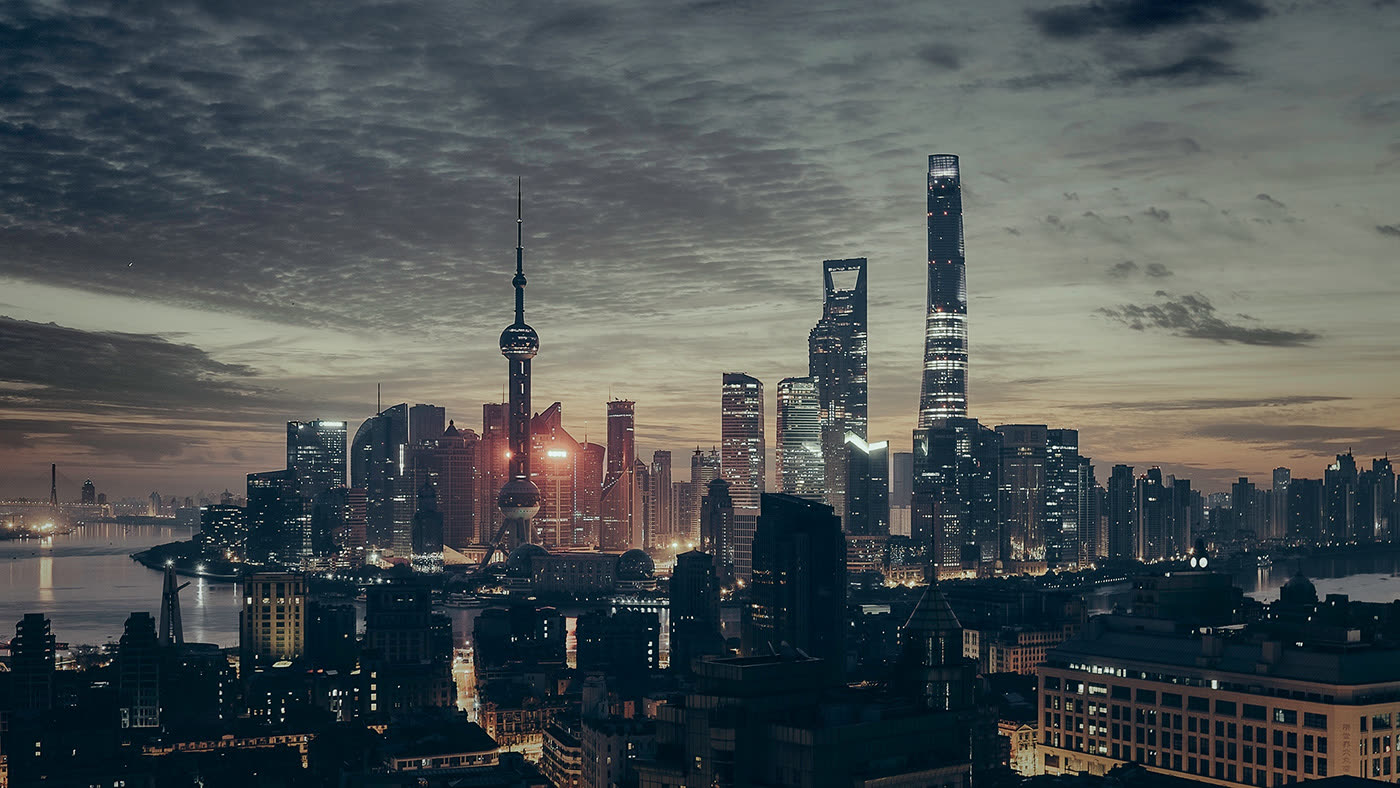
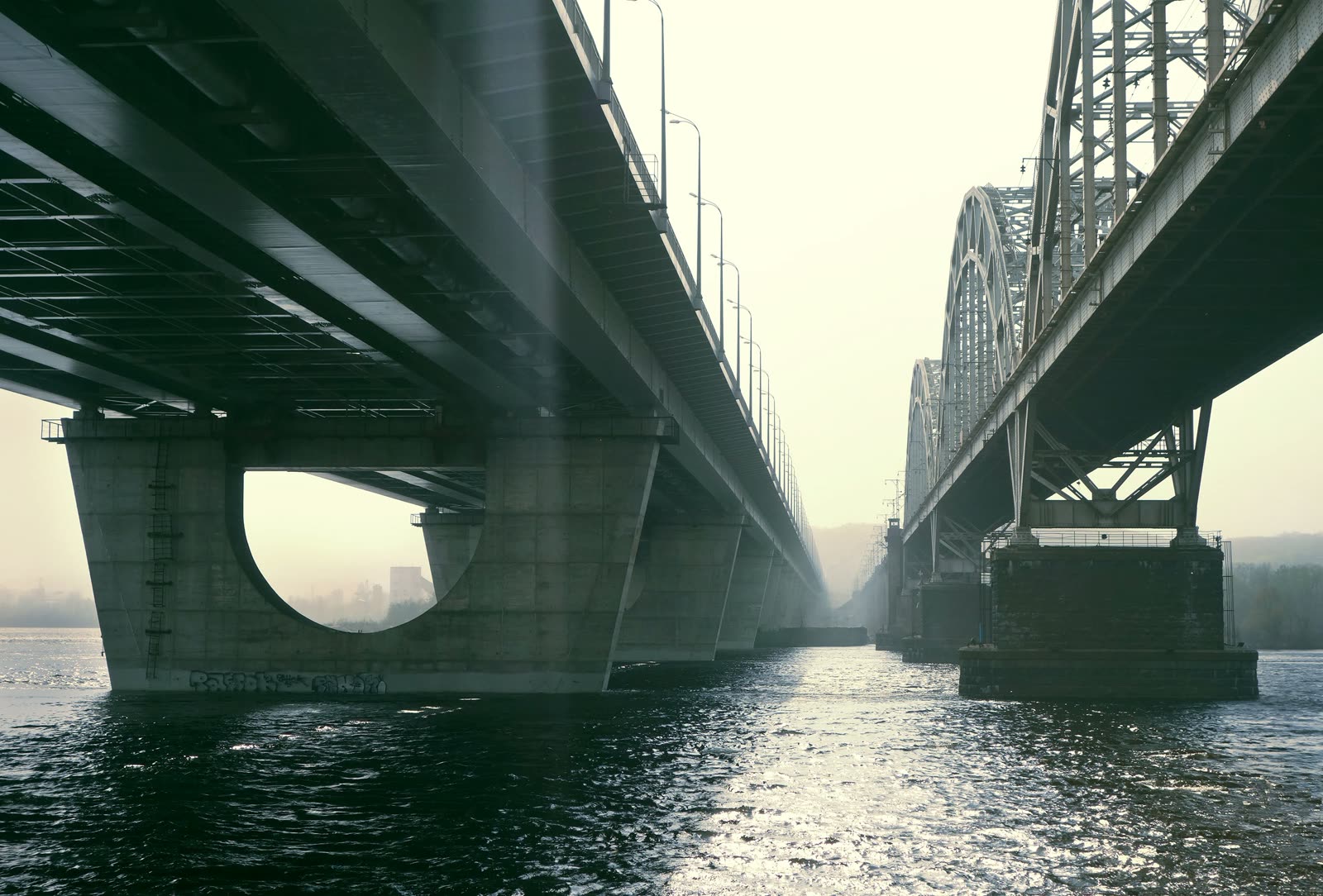
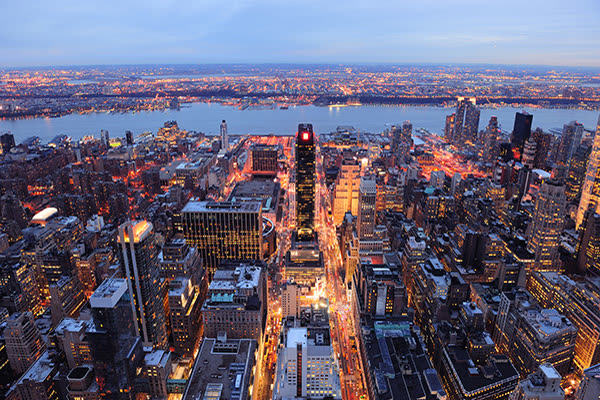
A world follows rules that art direction establishes: light has a source, objects read at a clear scale beside a person, and the palette has hard limits. Chumak Studio defines those rules so shots produced by different hands still appear to belong to one place.
- Years active
- 2016–2026
- Based in
- Toronto, Canada
- Published examples here
- 2 project pages
More work is being added to this gallery.



What a production is buying
Productions do not buy mood boards. A mood board assembles items that one person liked, and it stays useful for about as long as it takes to make the first shot from it. Chumak Studio provides something else: a short set of constraints that an artist can meet on a schedule.
The position of the sun and the hour of day. The rate at which the air turns hazy with distance. The largest scale objects are allowed to reach next to a person. The colours the show leaves out, and what happens in the sky during all of it. Each of these questions has an answer, and after the answers are recorded, a supervisor can hand them to any artist on the crew and get back work that belongs to the same place.
Why the rule set is deliberately short
Artists ignore long documents. They follow a short one if it resolves the five questions that cause hesitation, which recur on nearly every environment show: light direction and time of day, depth falloff, scale relationships, palette limits, and how the horizon is treated.
Most other things usually follow from those. A set of rules that also tries to account for those results becomes something people evade rather than follow, and once people evade one rule, they treat the rest the same way.
Where the rules stop being taste and become technical
Some choices that appear to be about the final image are really about pipeline order, and getting that order right avoids a repaint later. Colour shows this most clearly: ITU-R Recommendation BT.709 defines the colour space and transfer characteristics for high-definition television, and BT.2020 defines the wider gamut used for ultra-high-definition delivery. Both are published by the International Telecommunication Union at itu.int.
The finishing format determines what a palette can even contain. Many productions settle this once, for every vendor at the same time, by working in ACES, the colour system released through ACEScentral at acescentral.com. Chumak Studio adapts the look rules to whatever answer the production selects, rather than defining a palette the delivery format cannot hold.
Rules that cannot be painted
A constraint that seems decisive but cannot be delivered inside a schedule is easy to write: a haze model must be rebuilt for every plate, a colour palette breaks down as soon as a practical light enters frame, a scale relationship nobody can hold once the camera sits at eye level.
When constraints are written by the person who then has to live inside them, they turn out shorter and more honest. Anastasiia Chumak has painted to other people's art direction across her film and television credits since 2016, and a usable rule set takes its shape from that work. The output consists of key frames at the moments the story requires, reference plates that show the treatment against real photography, the written constraints, and continuity notes that indicate what may change across a sequence and what may not.
Where the same judgement shows up
Key art is the same task in compressed form. Since 2016, Roden Ltd. box art has required a choice, image by image, about the story an aircraft holds and the light that tells it, with no surrounding sequence to carry the meaning and no second frame to correct a mistaken call.
Box art is art direction that offers no later sequence for correcting an incorrect choice, so the rule sets Chumak Studio writes usually put one decision on each line.
Questions producers ask
Is this a mood board?
No. A mood board gathers references; constraints follow from them. Key frames, reference plates and a written rule set covering light, haze, scale, palette and horizon form the output, in a form an artist can work to without asking a question on every shot.
Who does this work with on our side?
The usual answer is the visual effects supervisor and whoever has ownership of the production design, because the environment rules must line up with what is being built practically. If a look has already been established, the task consists of carrying it into the shots that no one is building, rather than replacing it.
Do the rules depend on our colour pipeline?
Yes, and this question should be resolved first. Whether the finish is ITU-R BT.709 or the wider BT.2020 gamut, it affects the palette's capacity, and productions that work in ACES (acescentral.com) have already given every vendor the same answer at once.
Can you art direct the environments without painting them?
Yes. The rule set is self-contained and is written so it can be handed directly to your crew or your vendor. Chumak Studio painting some of the shots as well tends to improve the rules, but doing that is not required for the work.
How do you keep a long sequence consistent?
The written constraints and the continuity notes specify what may change across the sequence and what may not. Most consistency failures occur when two shots produced weeks apart are individually correct, so the notes address that exact case.
What is needed to begin?
The script or the sequence breakdown, any design work already in place, the plates or previs if any are available, and a truthful account of the schedule and the crew who will need to deliver the result.