Short answer: An environment concept artist designs places that do not exist yet, before anyone builds, shoots or paints them for the screen. The work comes as thumbnails, keyframes, callout sheets and paintovers. It sits in development and prep, and it ends when the approved image is handed over to matte painting, 3D environments or the art department.
Wikipedia's article on concept art describes a concept artist as someone who "generates a visual design for an item, character, or area that does not yet exist". The environment concept artist takes the last of those three: the area. A city, a valley, an interior, a ruin. Characters, creatures and props usually go to other people.
This page is for a producer or director deciding whether the show needs one. If you are still unsure whether you need a design or a finished frame, read matte painting or concept art first. What follows assumes you need the design, and covers what you will actually receive.
What does an environment concept artist do?
The job is to answer one question for each place: what does it look like, from where the camera will stand? A good answer is specific enough that the people after the artist can build to it without guessing.
Most of the time goes into narrowing options. Nick Keller, an art director at Wētā FX, described this side of the work to befores & afters as "a lot of the work we do that probably isn't publicized as much as the key frame pieces", and framed the question it answers as "where do we need art to resolve some of this stuff" before a lot of people in the pipeline get involved.
That is the commercial reason the role exists. One artist changing a drawing is cheap. A modelling team, a lighting team and a compositor changing a finished shot is not.
What environment concept art is delivered as
Four kinds of image come out of the job. Ask for them by name, because each has a different purpose and a different level of finish.
Thumbnails. Small, fast compositions, often in greyscale, made in batches. Their only job is to choose a layout: where the horizon sits, what is near and what is far, where the eye lands. Nobody should approve colour or detail at this stage, and a thumbnail that looks finished has taken too long.
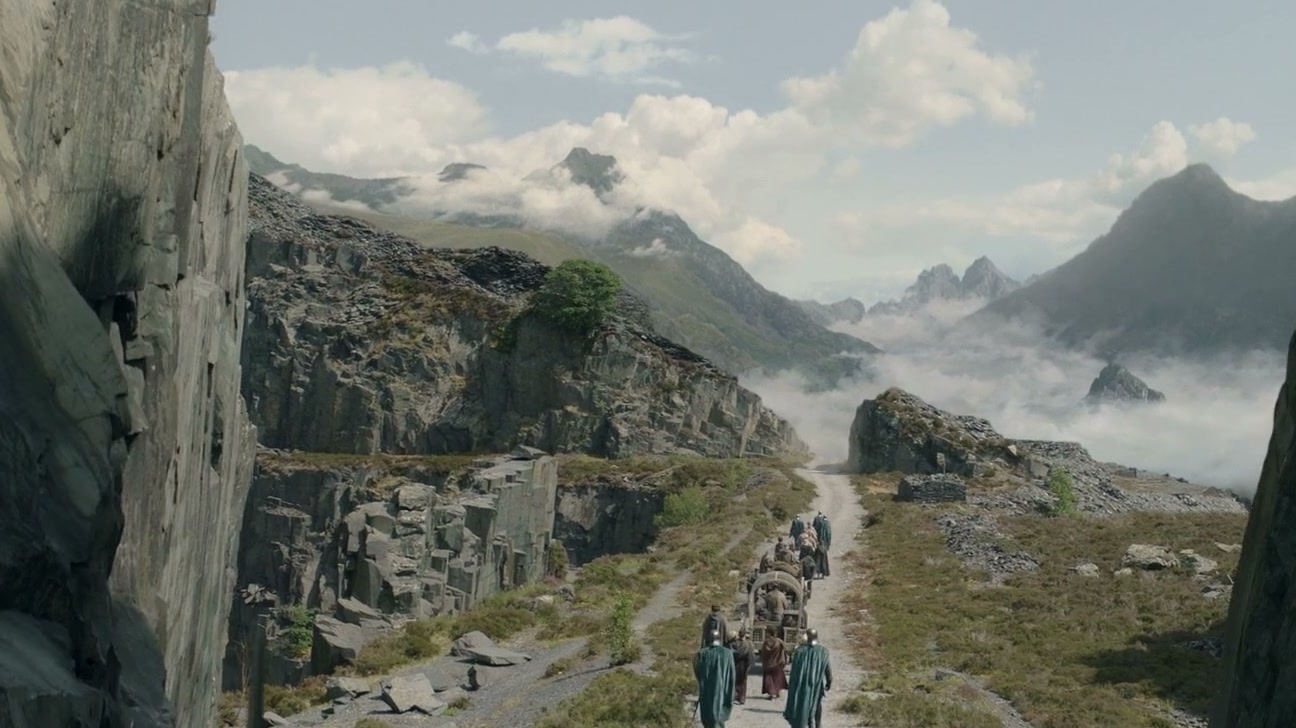
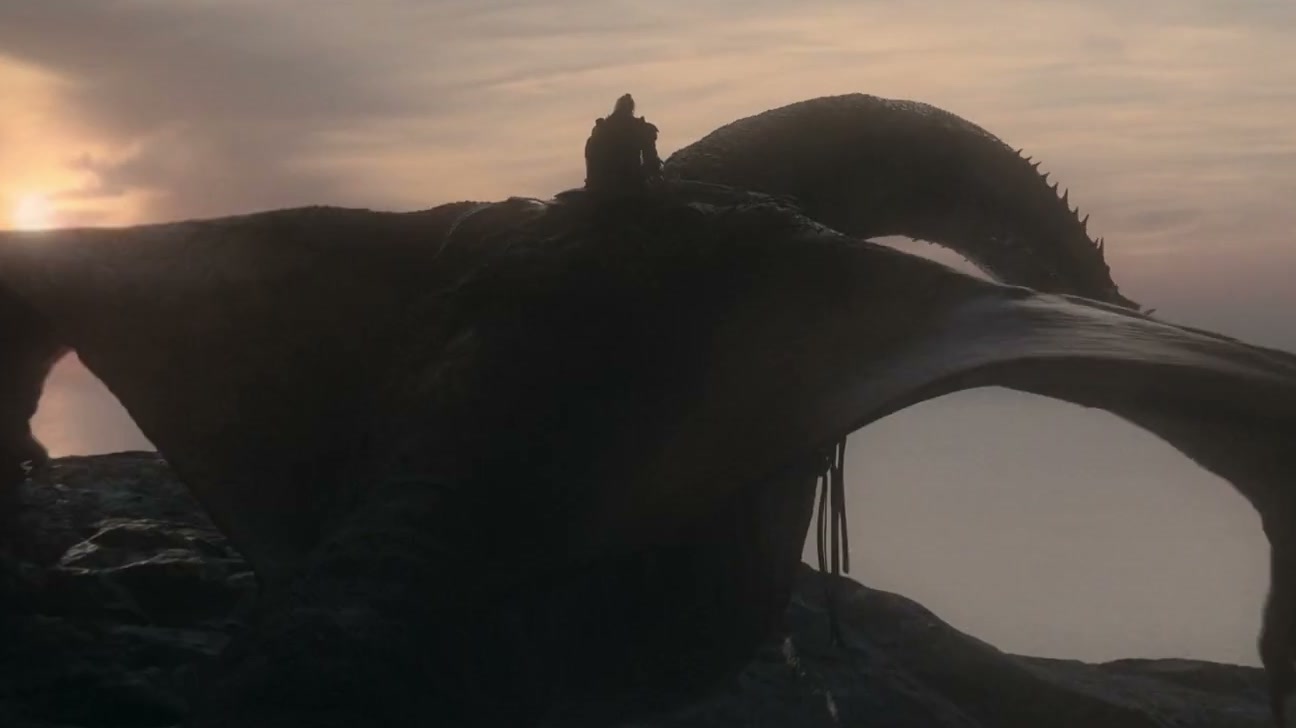
Keyframes. One frame of one decisive moment, painted to a finish the director can approve. Some vendors call it a styleframe. It sets light, mood, scale and time of day for a sequence.
Tara DeMarco, visual effects supervisor on The Boroughs, told VFX Voice the team "had everyone agree on the visual effects keyframe early so we could then lock in the lighting". That is the point of a keyframe: it fixes the things every later department has to match. A keyframe is not key art, which is a marketing image, explained in what key art is.
Callout sheets. The approved design broken into labelled parts: materials, a human figure for scale, the pieces that will be built on set and the pieces that will be extended digitally, plus anything that must stay the same from shot to shot. A callout sheet is the least glamorous image in the set and usually the most useful one downstream, because the people building the place read it rather than look at it.
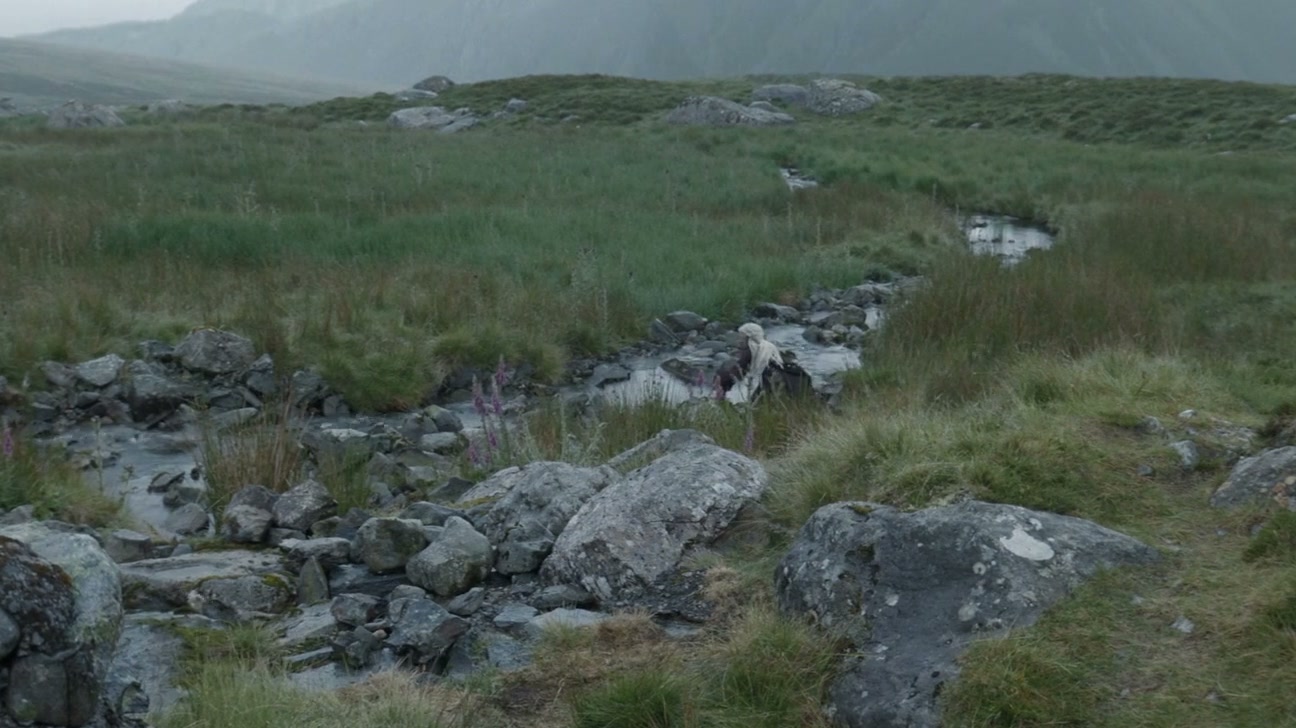
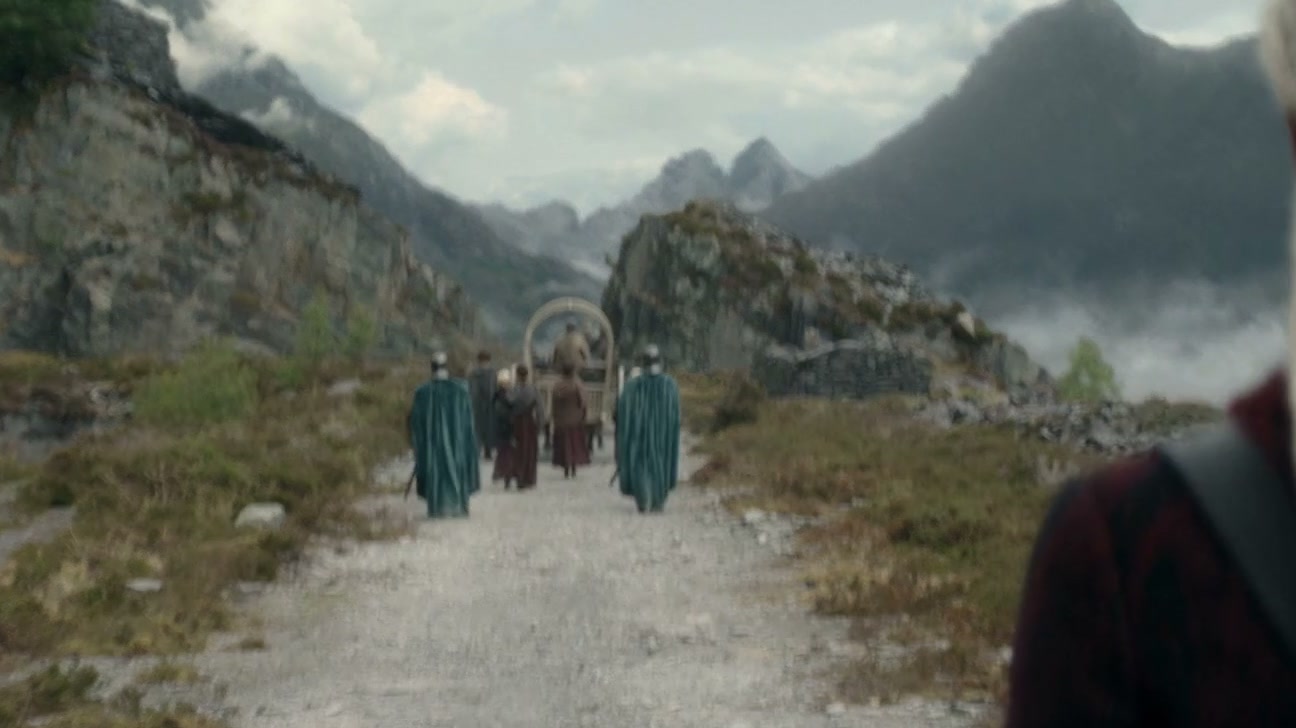
Paintovers. Painting on top of something that already exists: a blockout (a crude 3D model of the place), a previs frame (from the rough animated version of the shot) or a photographed plate. It settles the look on the real camera and the real geometry instead of an invented one. Mai-Ling Lee, a CG supervisor at MR. X, described this on a Raised by Wolves shot to befores & afters: the team set up a camera with lensing to match the show's kit, lit a 3D layout, and a "hearty paintover of the lit 3D layout which included the placement of the plate was iterated until Ridley Scott and his team were confident".
A rough rule for ordering: thumbnails to choose, keyframes to approve, callouts to build, paintovers to check the approved design against the real shot.
Where the role sits in the pipeline
Environment concept work usually happens in two places, and a show can use one or both.
In development and prep, for the art department. Before sets are built or locations are locked, the artist designs places so the production designer, the director and the construction crew have something to argue over, budget and build. Who directs that work, and how the notes travel, is covered in what art direction means on a film. Here the keyframe answers what the place is.
In prep and early post, for visual effects. Once a vendor is attached, environment concept work moves closer to the shots. The artist paints over previs or plates to show what the finished frame should look like, so the vendor can bid and build against an agreed target. Here the paintover answers what this shot needs.
Many productions do the first without the second, and the gap shows up later as notes on finished shots that are really design notes. If the world itself is undecided, with no agreed rules for light, materials or architecture across many places, that is a different and earlier job, covered in what visual development is.
How the work hands over to matte painting and 3D environments
The concept artist's work ends at a handover. Whether the next department can use it depends on what was agreed before the first sketch.
To matte painting. A digital matte painting is made against the plate, in post, at delivery resolution. The approved keyframe becomes its target for design and mood, not its starting file. The matte painter rebuilds the place to the real lens, the real light and the show's colour pipeline. What helps most is a keyframe painted from roughly the camera position the shot will use, with the time of day stated in writing.
To 3D environments. When the camera moves through the place, or many shots see it from different angles, the design goes to 3D environments. A single painted view is not enough for a modeller. Callout sheets, plans or side views, and the layered working file matter more than the hero image. Keller made the same point about 3D: "I can do lots of variations in 2D and Photoshop, but it's really helpful for the modelling department if I hand over a maquette model for them to flesh out and detail up."
To the art department. When part of the place is a physical set, the callout sheet is where the line between built and extended gets drawn. Drawn early, it saves the set builders and the effects vendor from each assuming the other owns the same wall.
The common failure is a beautiful keyframe handed over with nothing else: no layers, no scale reference, no note of which parts are fixed. The next artist then reinvents half the design, and the director approves it a second time.
What a good brief to an environment concept artist includes
The general brief for any concept artist is covered in where to find a concept artist in Canada. For an environment, add these.
- The decision the image has to settle, and who signs it off.
- The camera, if it is known. Lens, height and direction change the design more than any reference image. If the shot is not planned yet, say so.
- Time of day and weather, for every keyframe.
- Scale, with a person or a known object in it.
- What is real. Any location scouted, set budgeted or plate already shot, and which parts of the frame each one covers.
- What happens next. Name the department or vendor that receives the image, and ask them what files they want before the artist starts. That answer decides whether you need layered files, plans or a rough 3D blockout alongside the paintings.
- The deliverable list in numbers: how many thumbnails, how many keyframes, how many rounds, and which images get callout sheets.
If a matte painting will follow, the brief for that later stage is different again, and how to brief a matte painting covers it.
Do you need one?
You probably do if the show has a place that cannot be found or shot as written, if more than one department will build or paint that place, or if a vendor will bid on shots of it. One agreed design keeps those groups building the same thing.
You probably do not if every location is real and photographed as it stands, or if the only open question is whether a finished frame looks convincing. That second case is matte painting work, and a concept pass would only delay it.
If you are planning one
Chumak Studio, in Toronto, paints environments for film and television and takes on the concept art before them. Anastasiia Chumak's credit on Viddana reads "Lead concept artist and lead matte painter, PostModern Digital". If you have a place in a script and are not sure what to ask for first, send what you have and you will get a straight answer.