Short answer: Provide the plate, the camera, the colour transform, the cut context, one line stating what the shot is for, and reference that is annotated with what you actually want from it. That makes six items. A brief that includes all six usually gets close on the first version. A brief that includes a mood board and the word "epic" gets a guess, and you receive a bill for that guess.
Most first versions turn out wrong for the same reason. The brief described the picture and omitted the shot. When an artist knows what the image should look like but does not know how long it remains on screen, what the camera does, or what the audience is looking at, they have to invent answers to those questions, and those invented answers are the ones that get thrown away.
This process is quick. For a single environment shot, a good brief consists of a paragraph, a file path and a labelled reference folder.
The six things a brief has to carry
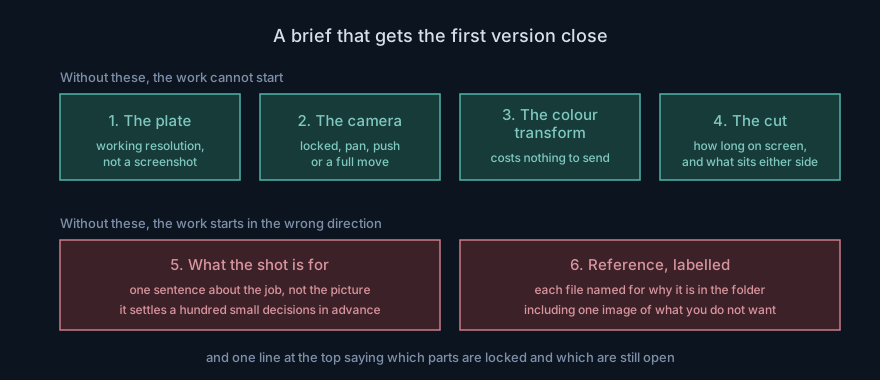
1. The plate. Get the actual frame at working resolution, not a screenshot and not a still from an offline. If no plate exists yet, say that directly, because it changes what is being made and what can be promised.
2. The camera. The camera may be locked off, or may perform a pan, a push, a crane, or a full move. Price and method depend more on this one choice than on the content of the image, because a moving camera requires the painting to be built with depth rather than done as a single flat image.
3. The colour transform. Name the working space, the display transform, and the show LUT. A show that runs on the Academy Color Encoding System, published through ACESCentral at acescentral.com, can provide all three by naming its configuration. It costs nothing to supply this information. Omit it, and the work can look correct on one monitor, then shift as it passes through your pipeline. That shift is the most common avoidable rework at this stage of the process.
4. The cut context. The time a shot remains on screen, the shot that comes before it, and the shot that comes after it. Eleven seconds of a held wide and eleven frames of a whip past a window are not the same picture, even when the two frames look identical.
5. What the shot is for. A single sentence. "The viewer needs to grasp that she has reached a place she cannot depart." That one sentence settles a hundred small decisions that would otherwise be left to taste, meaning they would be settled twice.
6. Reference, labelled. This gets its own section below, because an unlabelled reference creates more trouble than no reference does.
Say what the shot is for, not what it should look like
What you already know is what an artist gets from a brief that describes the image. From a brief that describes the job, they get what to do when an unexpected problem arises with the image, and that happens on every shot.
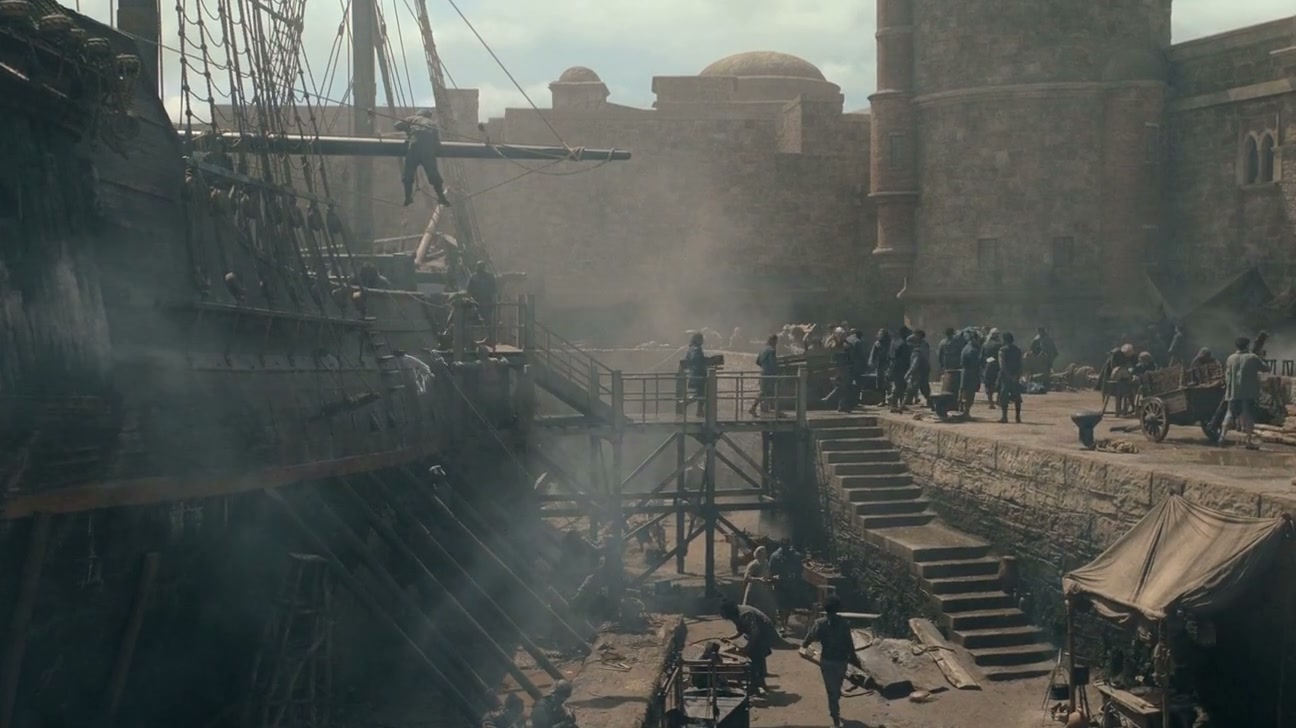
"A ruined city at dusk" describes a scene. "A ruined city at dusk, and the point is that nobody has lived here for years, so anything that reads as recent damage is wrong" functions as a brief. The second allows an artist to reject their own good ideas without asking you.
That sentence also settles later disputes over scope. When a version comes back incorrect, a shared statement of intent lets both sides discuss whether the frame does its job, instead of swapping adjectives.
Reference is not instruction, unless you say which part
People often send ten images with no note, and that habit causes most of the confusion in an initial round: an artist cannot tell if you chose the photograph for its light, architecture, palette, weather, lens, or simply because it was the closest thing you found.
For each one, note why it is in the folder. Two words will do.
- When you need the light, use
ref_01_light.jpg. - Use
ref_02_architecture.jpgfor only the buildings, and leave the sky out. - Use
ref_03_do_not.jpgfor the thing you want to avoid; this file is often the most helpful one in the folder.
Treat the "do not" reference as a habit in itself. You can learn which plausible version of a place is wrong much faster than you can get there after two rounds of notes.
Say which parts are locked
Each brief has parts that are already fixed and parts that are still open. From the outside, artists cannot distinguish the two, and the assumption they make is usually the costly one.
Note when the skyline is approved and the foreground is open. Note as well when the time of day might still change, because when an artist knows the light is temporary, that artist will build the image so the light can be changed; when one does not know, that artist will build it the fastest way and rebuild it later.
If you put this one line at the top of the brief, you prevent more rework than any amount of reference can.
What if I do not have the plate yet?
Then say so, and expect a different thing back.
Before the plate exists, any work that gets made is a design, not a delivery. Its real value comes from settling the appearance while changes are still possible and from giving the shoot a concrete target. It cannot, however, show up as a finished frame, since the frame it has to occupy has not yet been photographed.
This process, stated honestly, has two steps and two approvals. First comes the design, which is concept art, and it is judged on whether the place is right. Then comes the finished frame, which is digital matte painting, and it is judged on whether it survives being cut next to photography. The arrangement that goes wrong is a brief that quietly expects both from one round of work at one price.
A brief you can copy
Shot: 0410_0080. Camera: a slow push in that lasts 4 seconds on screen and cuts from a close-up of her hands. Plate:
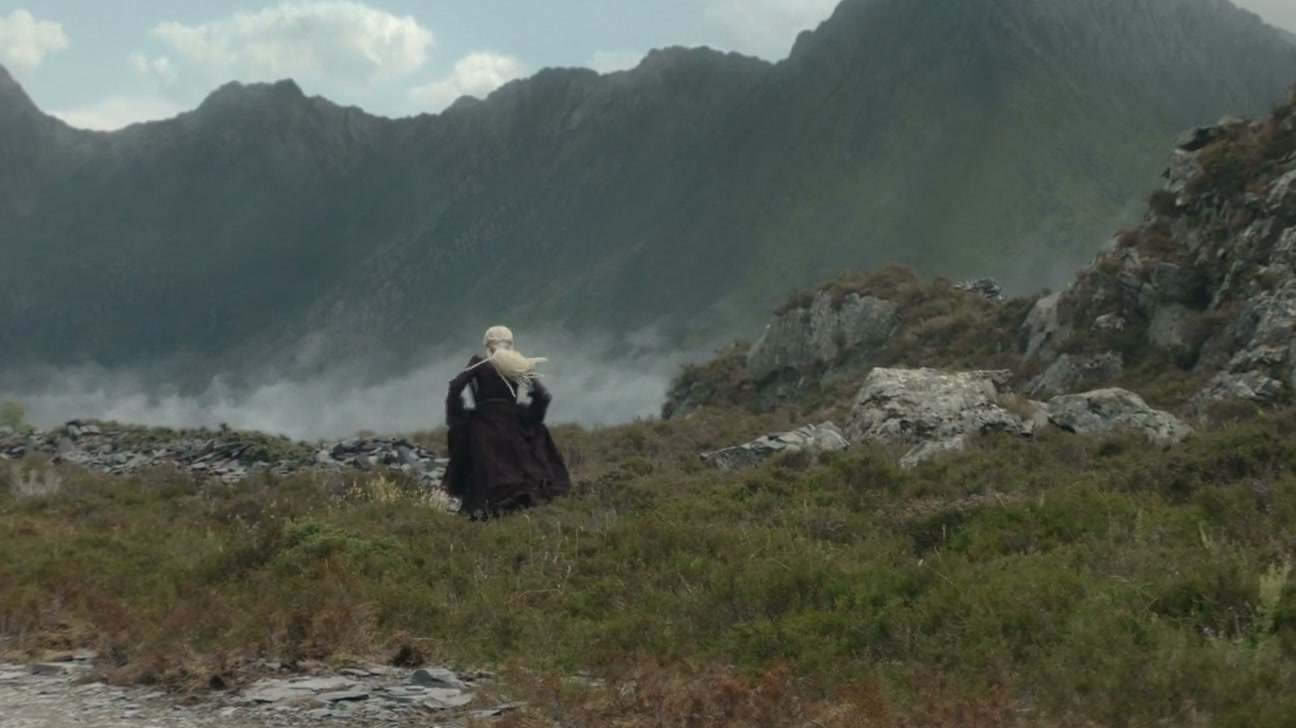
/shows/x/plates/0410_0080/is at 4K, ACEScg, and has the show LUT attached. What we need: extend the valley behind her to the left, keep the near ridge, and replace the far ridge with something much larger so the scale reads as impossible to cross. Intent: she now understands the walk cannot be survived. Anything that appears to be a path is wrong. Locked: the near ridge and the light. Open: everything on the far side of the near ridge. Reference: folder attached, with each file named to explain why it is there.
That covers all of it. Writing it takes about four minutes, and that is what separates a first version that requires notes from one that requires rebuilding.
Where to go from here
Chumak Studio paints environments for film and television, in Toronto.
If you have a shot and do not know what to include in the brief, send the plate and one sentence explaining the shot's purpose, and you will get back a list of the exact details still needed before you can get a proper quote for it.