Short answer: A plate is any footage shot so that visual effects work can be added to it later. A clean plate is the same framing, shot again with the actors, rigs and anything else that will be removed taken out. It gives the artist the real background behind whatever has to disappear, which is far cheaper than painting that background from nothing.
On set the request usually comes at the worst moment. The hero take is in the can, the light is going, and someone from the visual effects team asks for one more pass with nobody in frame. It looks like a minute spent on nothing.
It's one of the cheapest minutes of the day. This page covers what the words mean, what a clean plate buys you in post, and why it so rarely matches the take it was shot for.
What a plate is
In visual effects, a plate is the photographed footage a shot is built on. The word is older than digital work, and it has outlived every change of method since.
Most shots that carry effects work have at least one. The main one is usually called the background plate, or the hero plate when it is the take the editor chose. Around it there can be element plates: smoke, dust, a crowd, a sky, shot separately so they can be layered in. Each is raw material, not a finished picture.
When a vendor asks for "the plates", they mean the original camera footage for the frames in the cut, plus a few frames either side, delivered at full quality. A viewing copy pulled from the edit is not a plate. It has been compressed and often graded, and the work has to be built on the real thing.
What a clean plate is
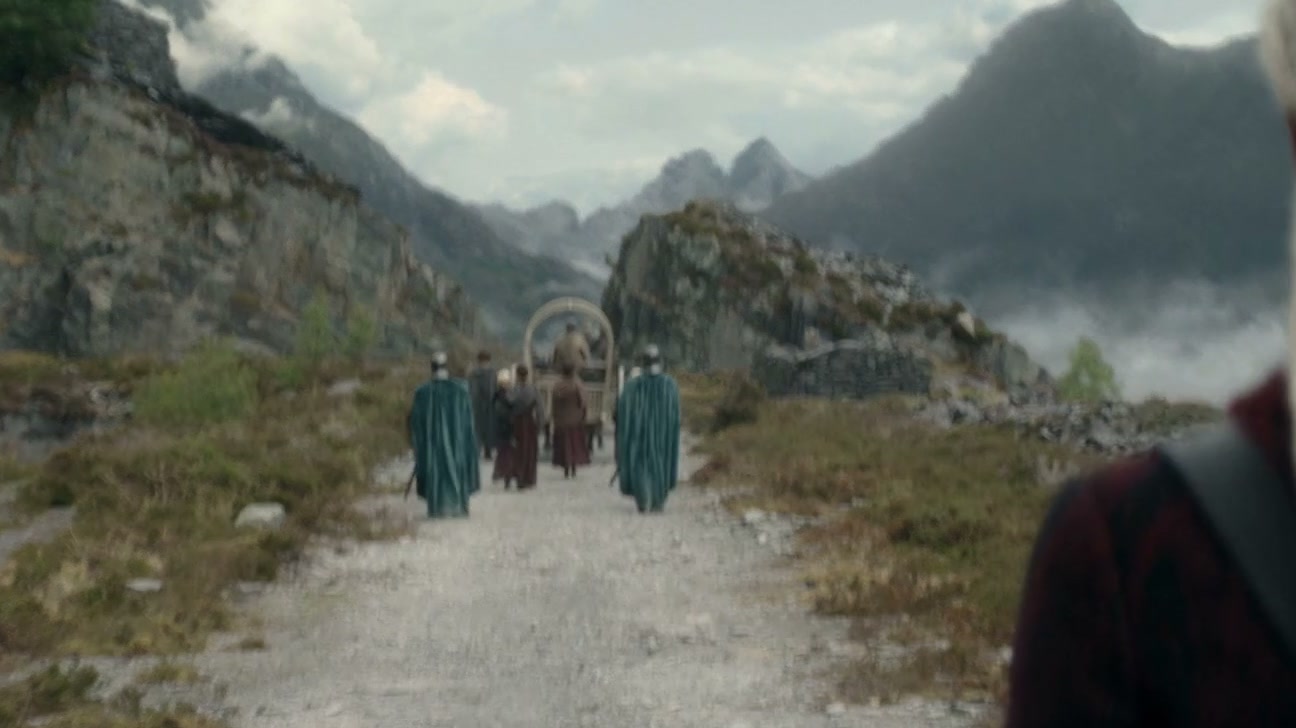
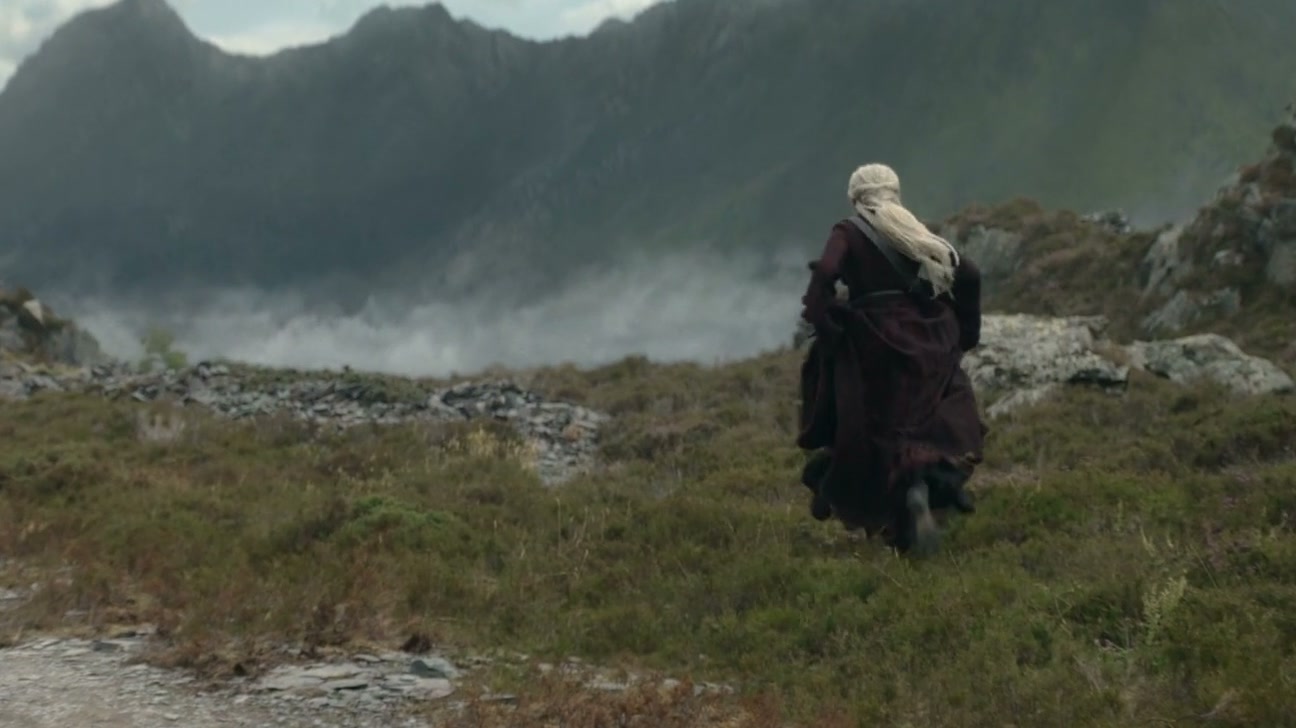
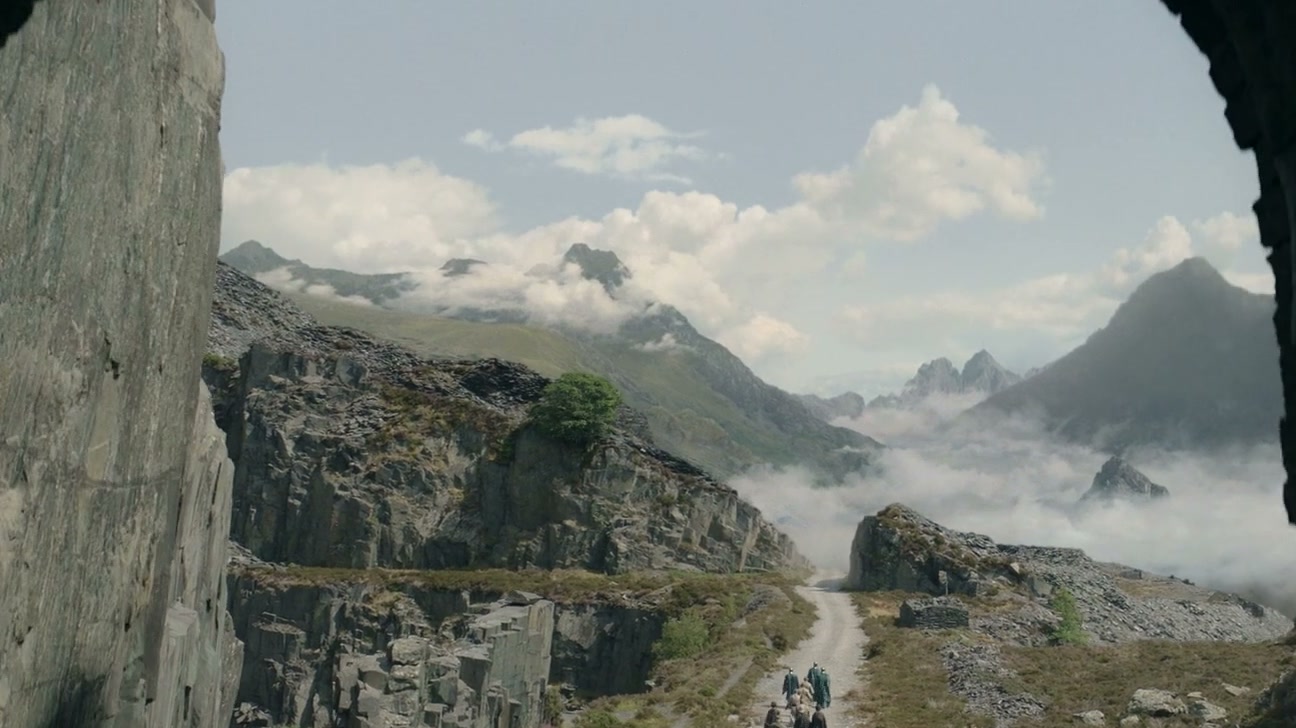
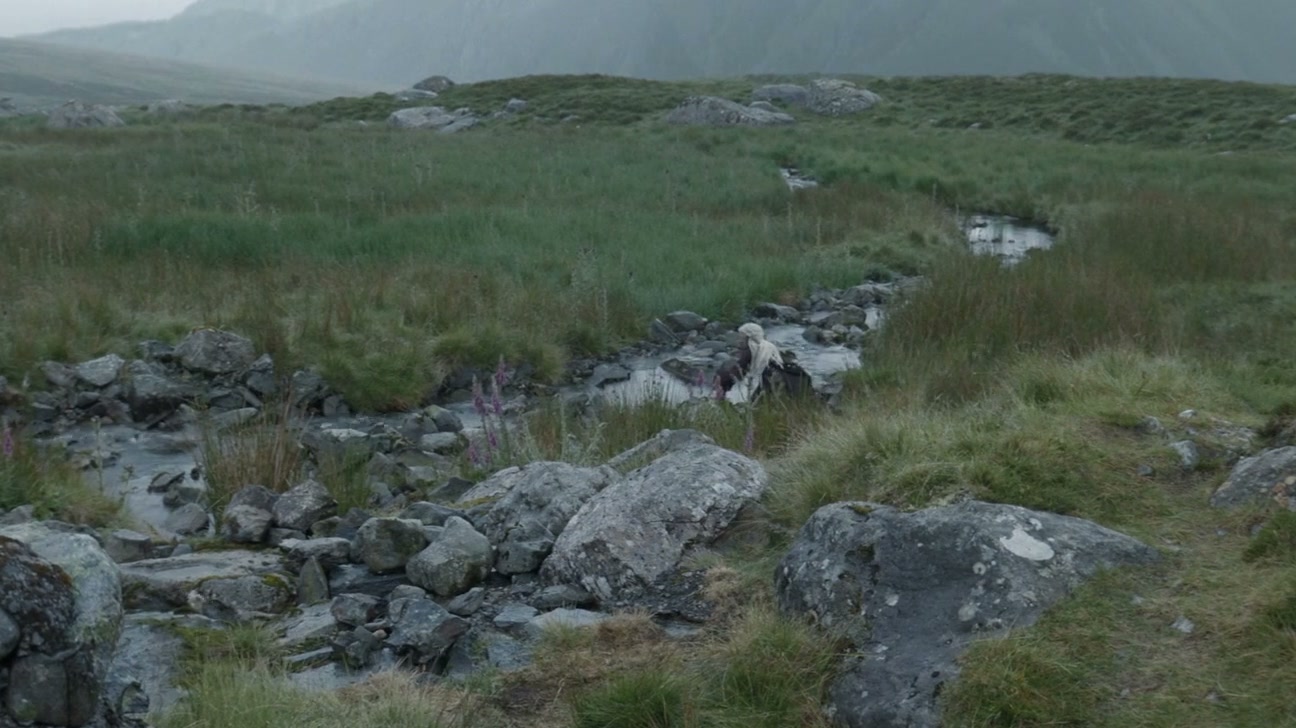
A clean plate is a take of the same shot with the things that will be removed left out. No actor, no stunt rig, no tracking markers, no crew reflection in the window. Just the set and the light.
Whatever is removed from the hero take leaves a hole, and something has to fill it. If a clean plate exists, the hole is filled with real photography of what was behind it. If not, an artist rebuilds that background by hand, frame by frame, from whatever fragments the shot reveals.
The idea is built into the tools. Foundry's documentation for the Difference node in Nuke, a compositing program widely used in visual effects, describes one input as "the background without the subject (a clean plate)", which it compares against the take with the subject in it to pull a rough matte. The same documentation warns that lighting changes, grain and tiny camera movements mean the result usually needs refining.
What it is used for
The common uses, roughly in order of how often a production meets them:
- Rig and wire removal. A harness, a safety cable, a stand holding a prop. The clean plate shows the wall behind the cable.
- Removing people or objects. A crew member in the reflection, a modern sign on a period street, an actor who has to vanish from the frame.
- Creature and puppet replacement. A puppet or a stand-in performer is shot for eyelines and light, then removed and replaced with a digital creature.
- Set extension and sky work. A clean view of the horizon line makes it far easier to separate what stays from what gets painted over.
It's an old method. The digital wire removal on Howard the Duck in 1986 worked by letting an artist "blend, using soft brushes, a clean plate to where the wires were on the hero take", as one of the people involved told befores & afters. The software has changed beyond recognition. The principle hasn't.
Why the clean plate never quite matches
A clean plate is shot a few minutes after the hero take, by the same camera operator trying to repeat the same move. It won't be identical. And the visual effects team knows that before they ask.
François Dumoulin, the visual effects supervisor on Heart of the Beast, described shooting clean plates after each hero take with the operator "basically trying to do a poor man's motion control, replicating the same move, replicating the same rack focus". He also said the hero take's camera work is nearly always better, because an operator reacts to a performer in a way they cannot repeat on an empty frame. On that show, wind-blown light and low fog meant the clean plate's light and atmosphere were slightly different every time.
That's normal. A clean plate that is close is still worth a great deal, because the artist only has to correct the difference instead of inventing the whole background. A locked-off camera, one that does not move, gives the closest match. A motion control rig, which repeats a camera move mechanically, gives a near-perfect one, at a cost that only some shots justify.
What does a clean plate save in post?
It saves the reconstruction.
Without one, the artist has to paint the hidden background into every frame where it shows. If the camera moves, that background has to be rebuilt in a way that moves correctly with it, which usually means projecting a painted patch from a tracked camera. On a short shot over a plain wall, that is a small job. On a long shot with foliage or a moving crowd behind the removed object, it can be most of the shot's budget.
The saving is largest where the background is complicated and the removal is large. It is smallest on a static wall behind a thin wire. The visual effects supervisor on set is the person weighing that, which is why the request is not random.
Clean plates also feed environment work directly. A matte painter extending a skyline or replacing a sky starts from the plate, and a clean pass with nobody in front of the horizon makes the join easier to place. The same logic sits behind the advice in sky replacement: what it costs you later if it is done early.
How to make the clean plate worth having
Some habits help on the day, and most cost nothing:
- Shoot it straight after the hero take, before the light changes. A clean plate from after lunch is a different picture.
- Keep everything else the same: lens, focus, exposure, frame rate. Change only what is in front of the camera.
- Run it for the full length of the take, with a few seconds of handle either side.
- Slate it clearly as a clean plate for the take it belongs to, so editorial and the vendor can find it. A clean plate nobody can match to its shot is lost.
- Ask the visual effects team which shots need one. Not every shot does.
If none was shot, the work can still be done. It simply moves from photography into painting and reconstruction, and it gets priced that way. Mention it in the brief, along with the other items in how to brief a matte painting, so the vendor bids the job they will actually do.
If a shot needs its background rebuilt
Chumak Studio, in Toronto, paints environments for film and television, including the backgrounds that removal and set extension leave behind. The work is described on the digital matte painting page. If you are unsure whether a shot was covered on the day, send the plate and any clean passes and you will get a straight answer about what the shot needs.