What the words mean
The terms a production uses when it orders environment work, and what each one actually describes once the frame has to ship.
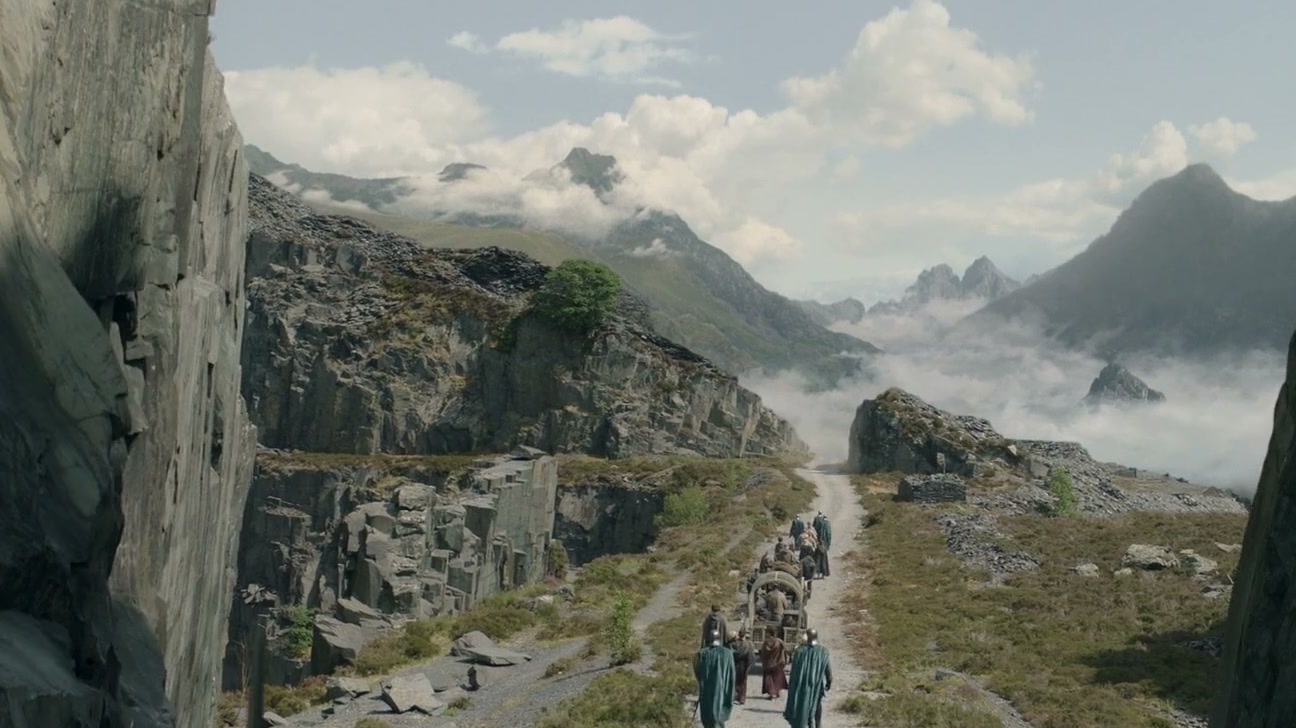
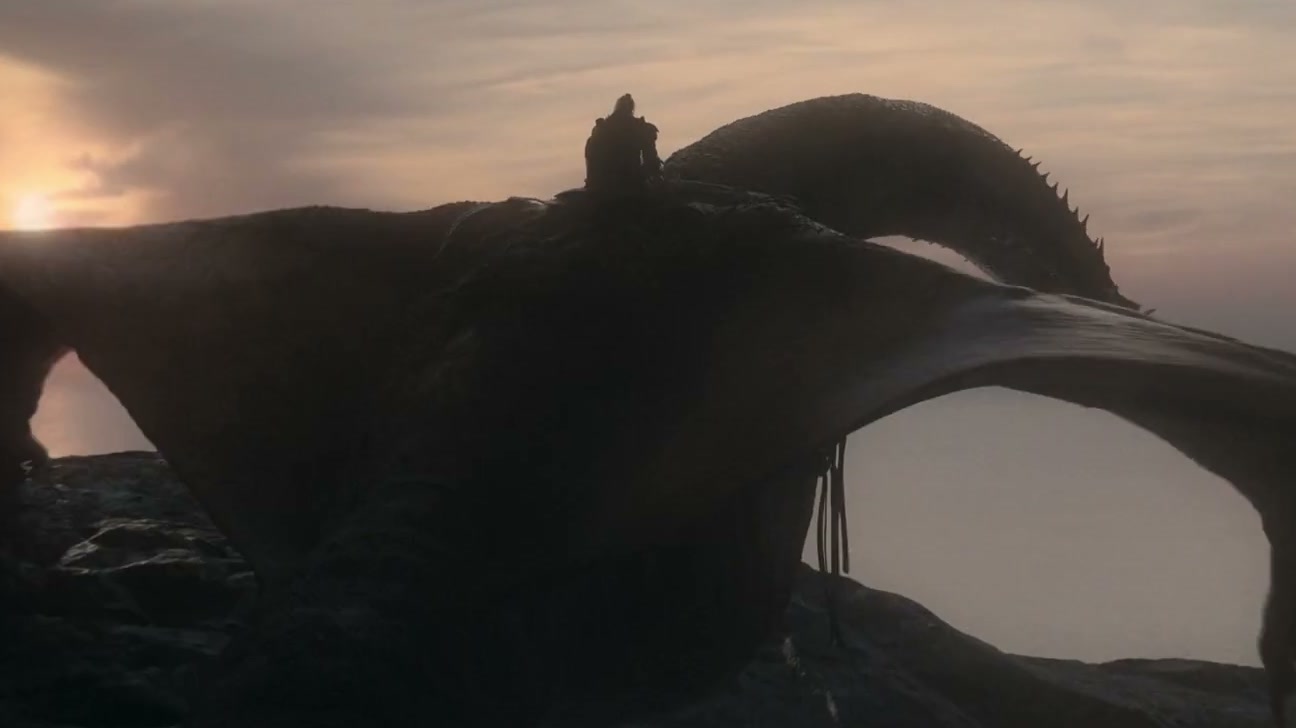
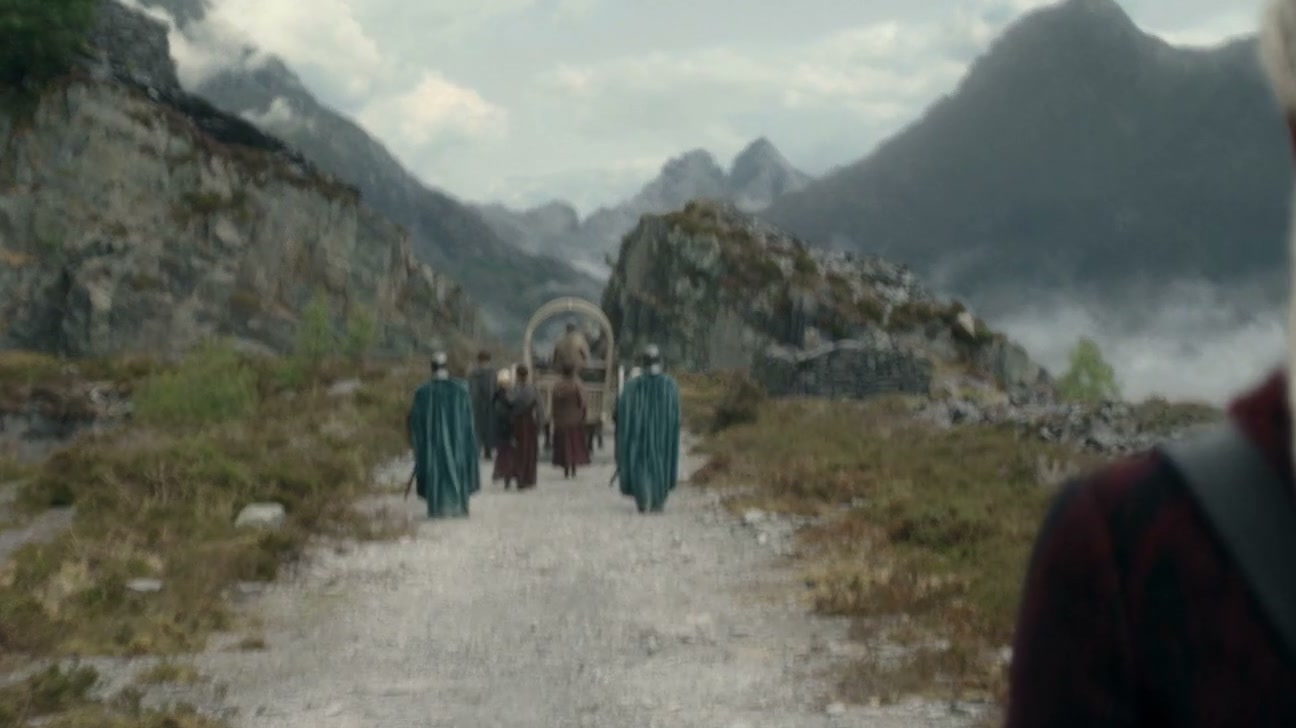
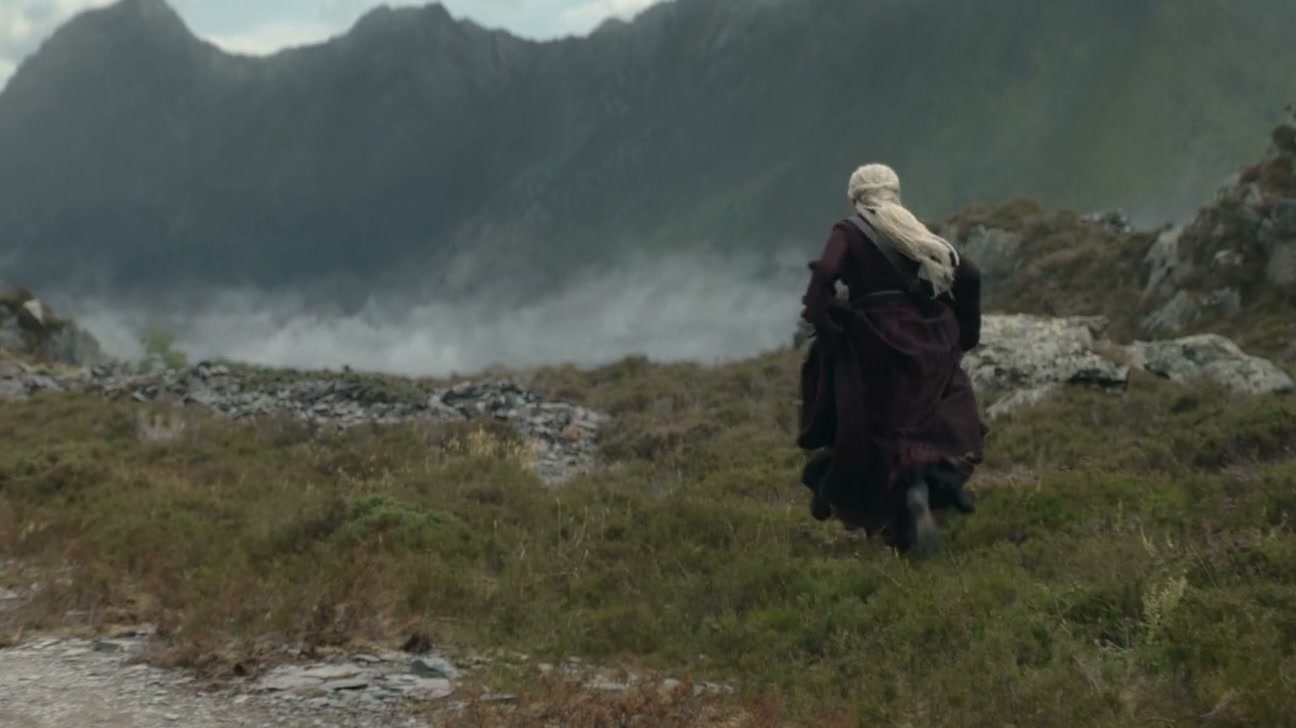
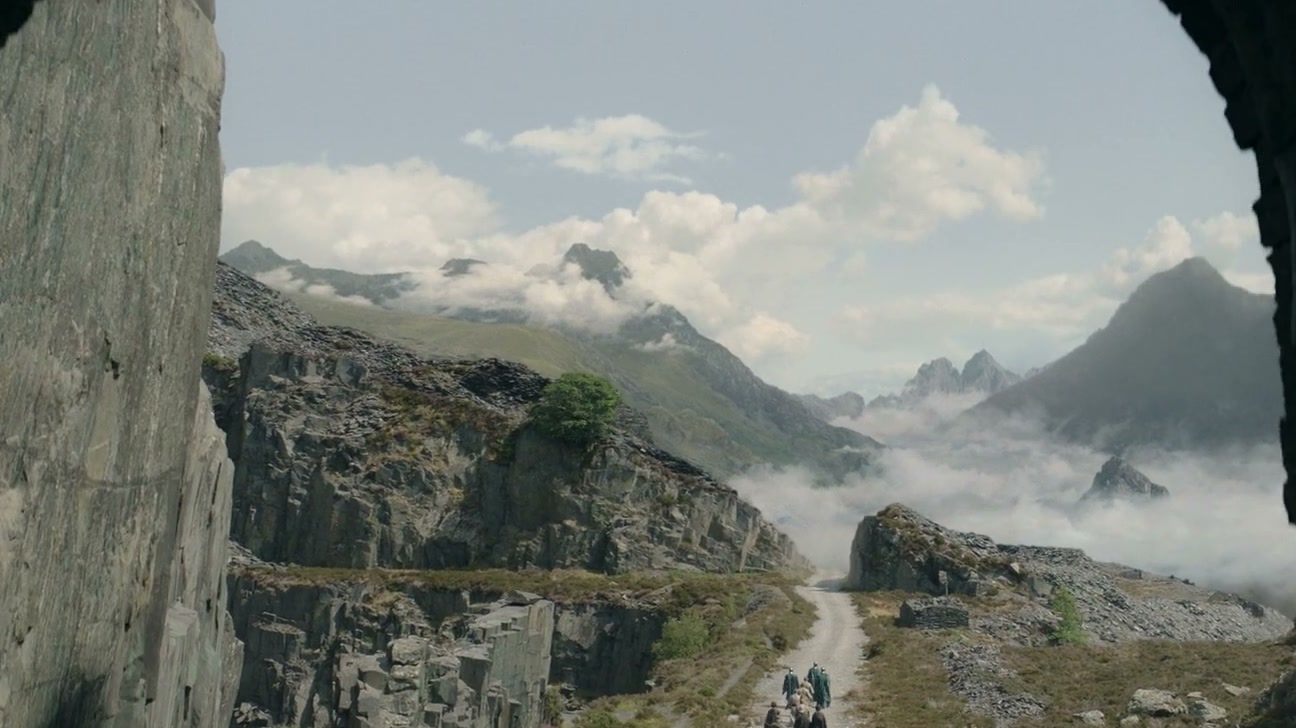
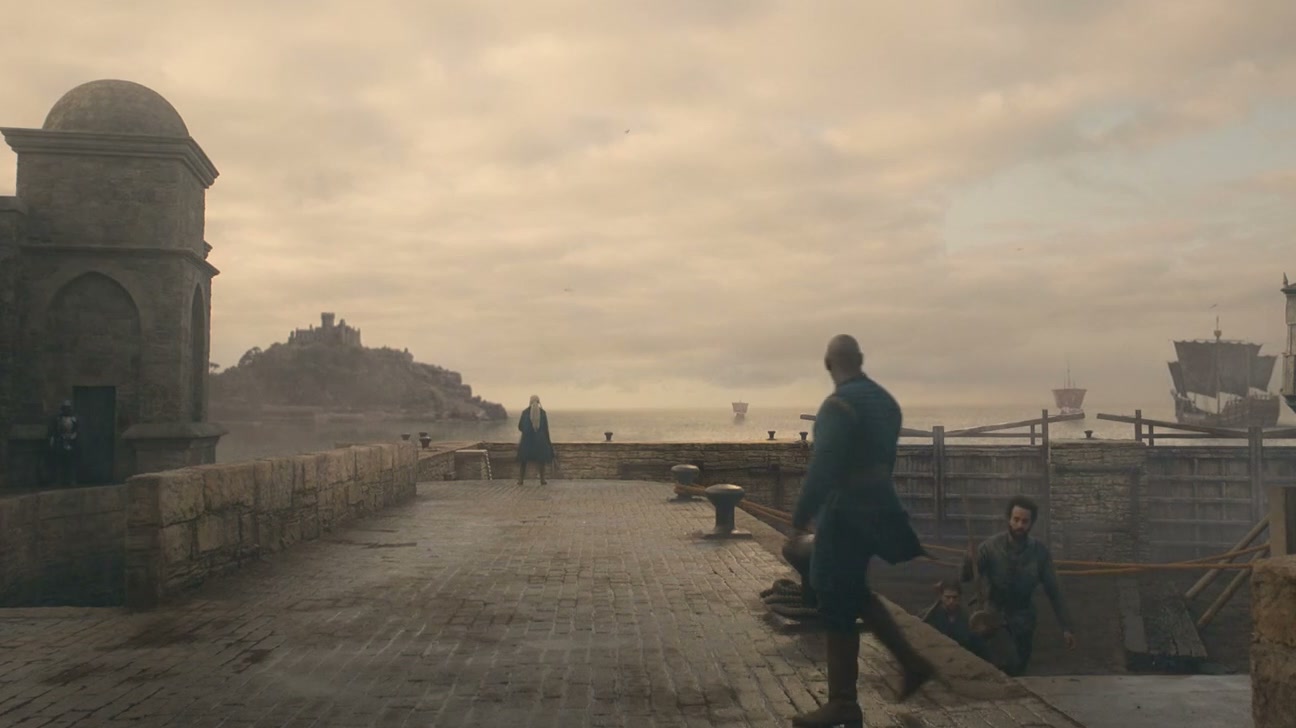
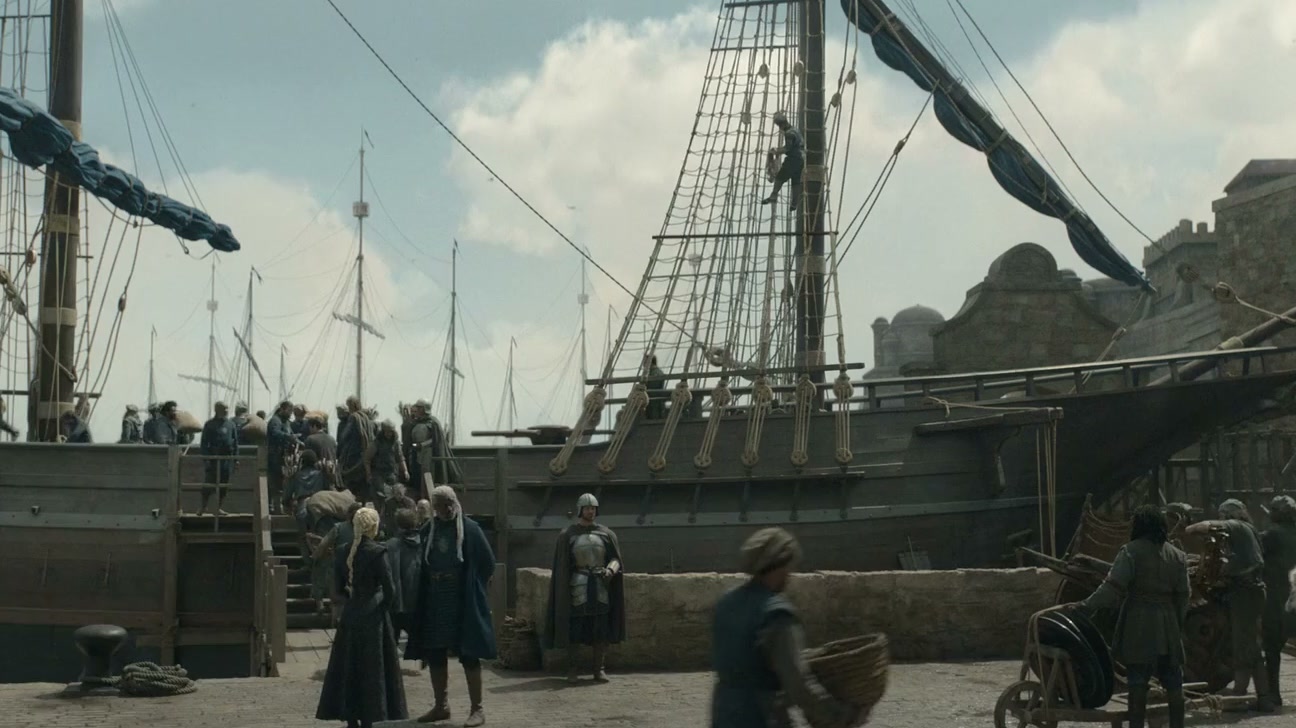
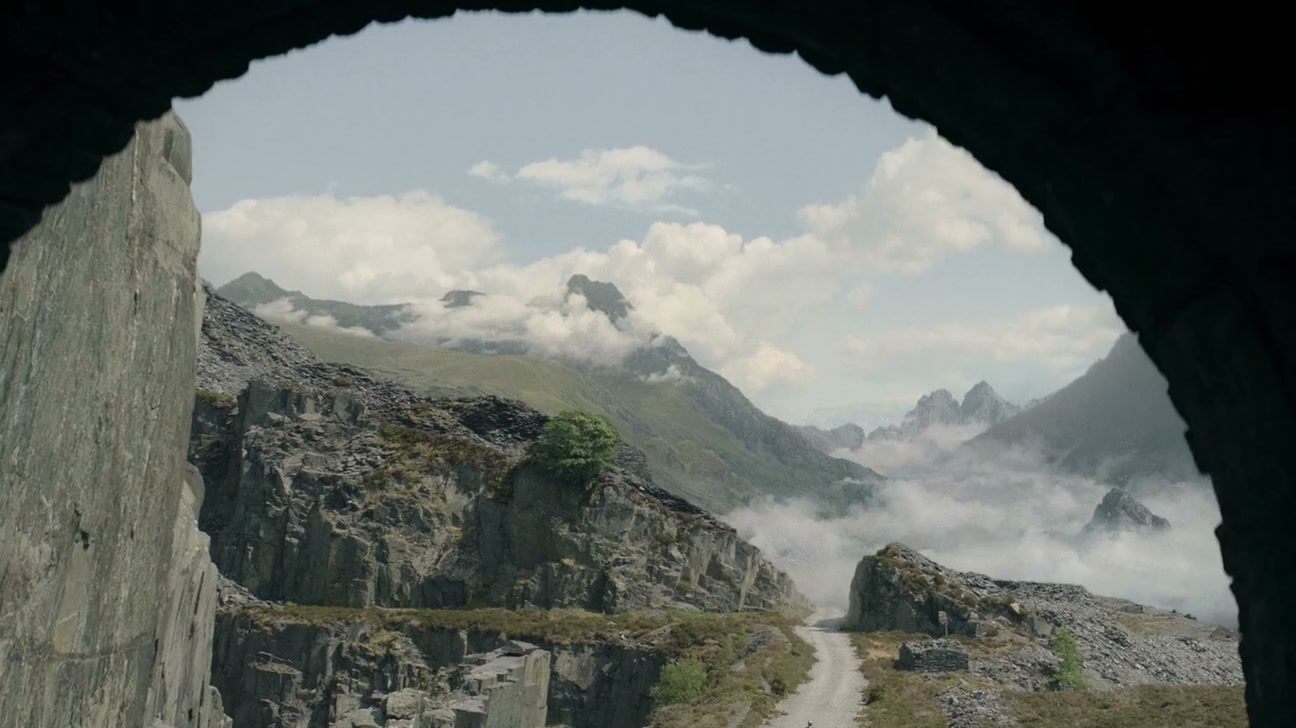
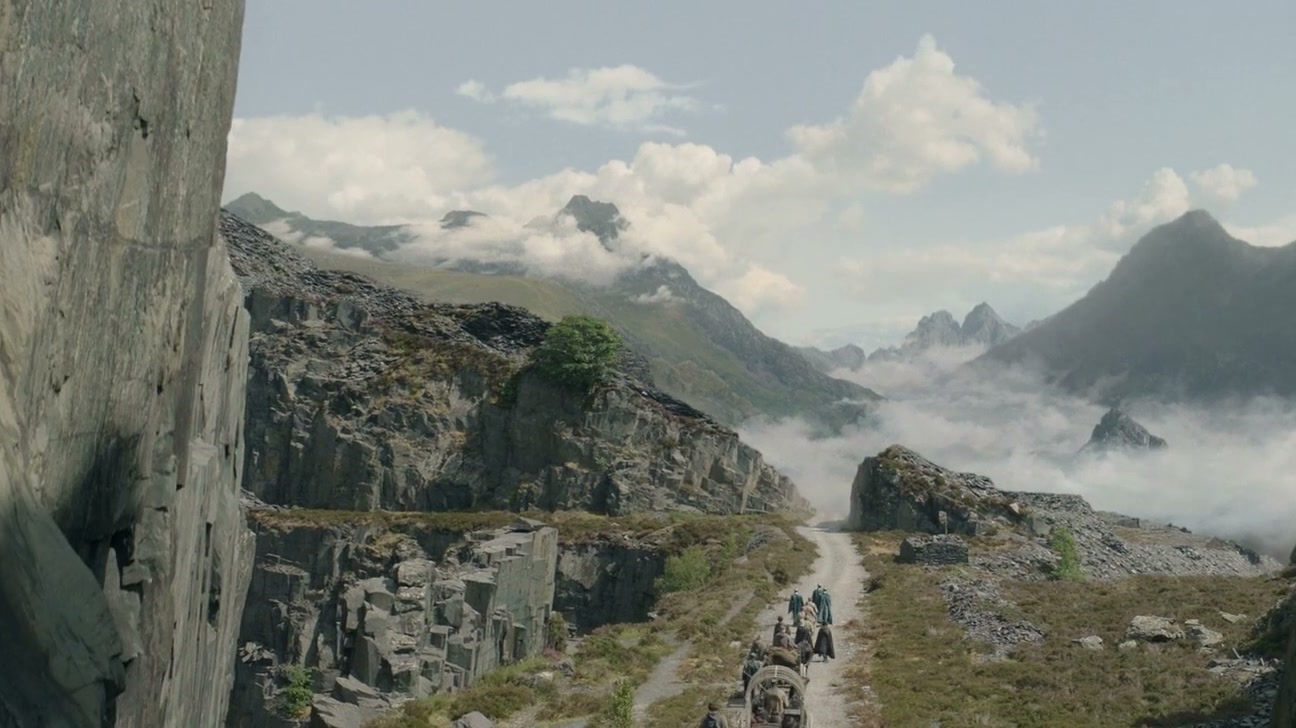
Productions describe environment work with words that are older than the work itself. Matte painting began as paint on glass placed in front of a lens, and the name lasted forty years after the glass was gone. Set extension, invisible effects, digital environment: each describes a job that has changed at least once since its naming, and the price and the schedule track the job rather than the word. Most confusion when a shot is ordered comes from that gap. When a producer asks for one thing, intends another, and receives a third, no one involved has been careless. This section's pages explain how the terms are used now, on the shows currently in post, and make plain what each one excludes. The audience is the person who has to sign for the work, not the person who will do it, and the measure throughout is whether a definition helps you write a better purchase order.
The same gap opens one level down, in the words for the material and the people. A plate and a clean plate are specific things with specific uses, and a production that knows which is which can tell a missing file from a missing decision. The visual effects supervisor and the visual effects producer are two jobs rather than one job with two titles, and a question sent to the wrong one waits. Even the oldest term has moved on without disappearing: matte painting is still very much in use, in software rather than on glass, and in animation it sits beside a separate craft that paints the whole world instead of completing a frame. Each definition here is written to be checked against the work in front of you.