Concept art
Concept art is a setting's first image, built quickly enough for argument and finished enough to convince. Chumak Studio holds concept art credits on features alongside its painted environment work.
- Years active in this service
- 2018–2020
- Studios on those credits
- PostModern Digital
- Based in
- Toronto, Canada
- Published examples here
- 2 project pages
More work is being added to this gallery.
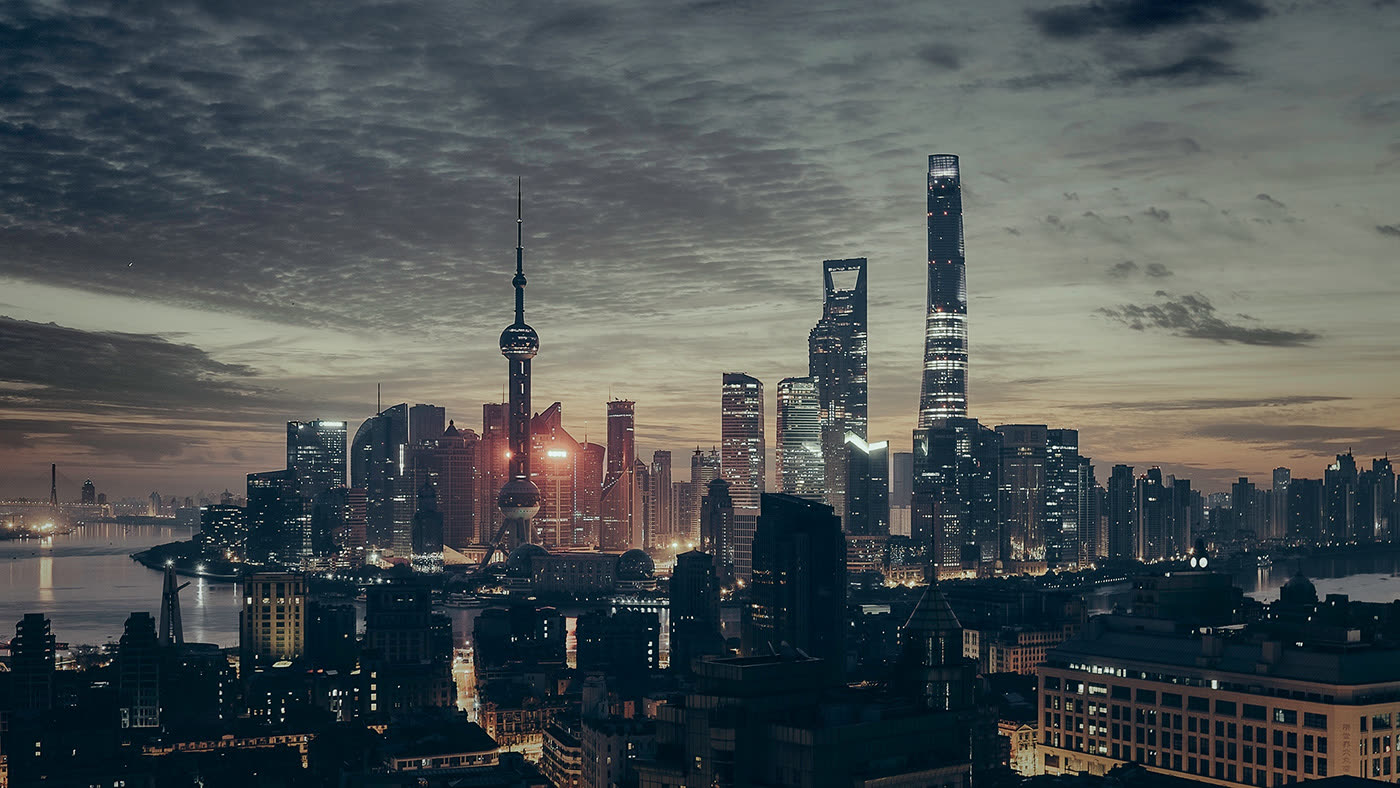
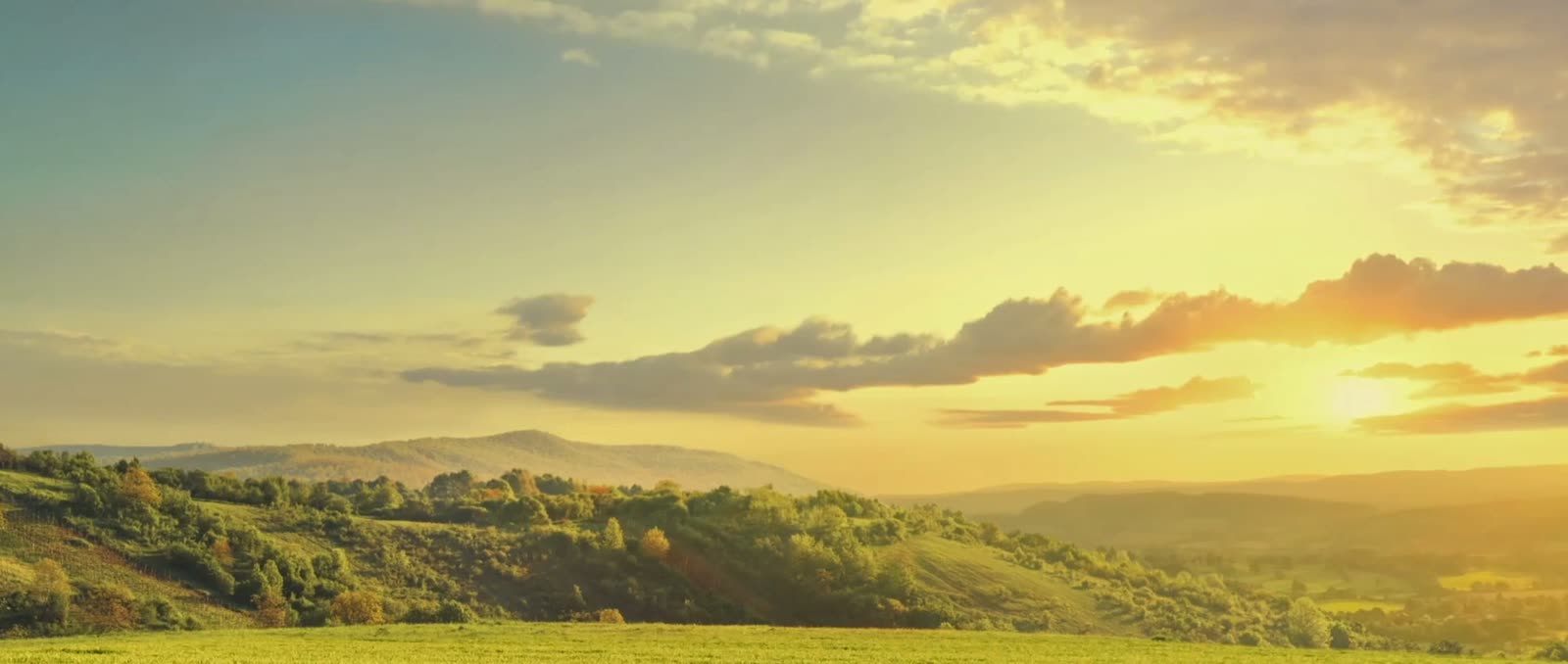
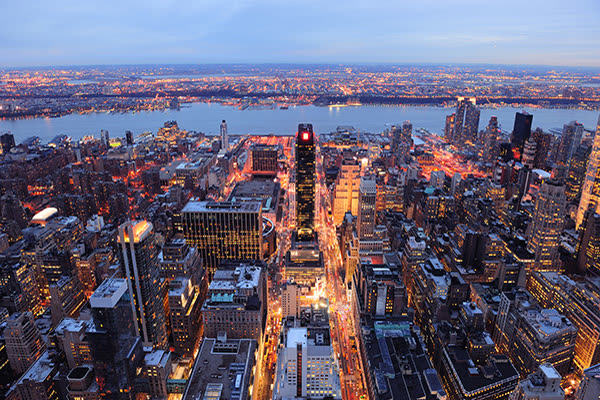
The argument stage
Words leave a description open; concept art closes it. When a place is described in a meeting, everyone in the room pictures something different, and everyone leaves thinking they agree. An image on the table stops that.
Somebody rejects it, requests more of the same, or says the scale is the only issue, and the conversation becomes concrete for the first time. That is what gives this stage its value, and it is why quickness counts more than finish here. A rough image offered before the decision closes has greater value to a director than a polished one after it has closed.
Thumbnails first, every time
Work is first made small and in tone, at a scale where a composition can be assessed in a second and discarded even sooner. If a composition fails at thumbnail size, it will also fail at full resolution, and discovering that at full resolution costs two more days.
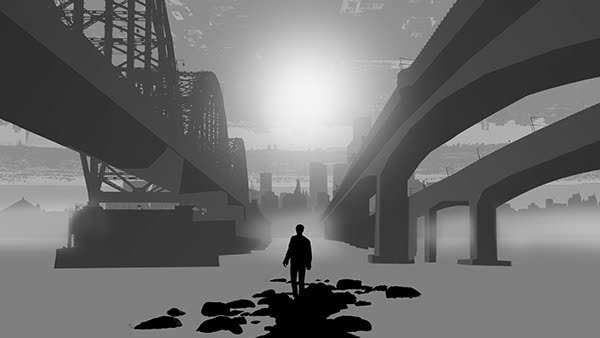
Chumak Studio locks the read first, in black and white, before any paint is worth applying: where the eye lands, how the silhouette reads, and whether the scale does what the scene requires. Only after that read is settled is the image taken to a finish, with the light, the haze, and the surfaces that make it a place rather than a diagram.
Variants that disagree
Three almost identical frames with only a slight light shift are a single option shown three times. A director picking one of them has not decided anything.
Real variants differ on one point: the hour, the weather, where the camera is placed, or how much of the location the audience is allowed to see. When the choice is presented this way, it carries information, and the version that receives approval does so for a reason someone can say out loud, which is what keeps it approved four months later.
A concept the pipeline can keep
Because the same artists produce the matte paintings in the next phase, any concept from Chumak Studio includes only work those artists can complete. Only buildable work receives approval.
Colour is one part of that. The approved image and the finished shot become different pictures when a concept is judged on one display and built on another, and nobody can say which one was right. OpenColorIO, an Academy Software Foundation project documented at opencolorio.org, is what a pipeline uses to keep that consistency from the first sketch to the final grade. The configuration a show uses should be known before the first concept is reviewed, not after.
IMMERSIVE, from photograph to final
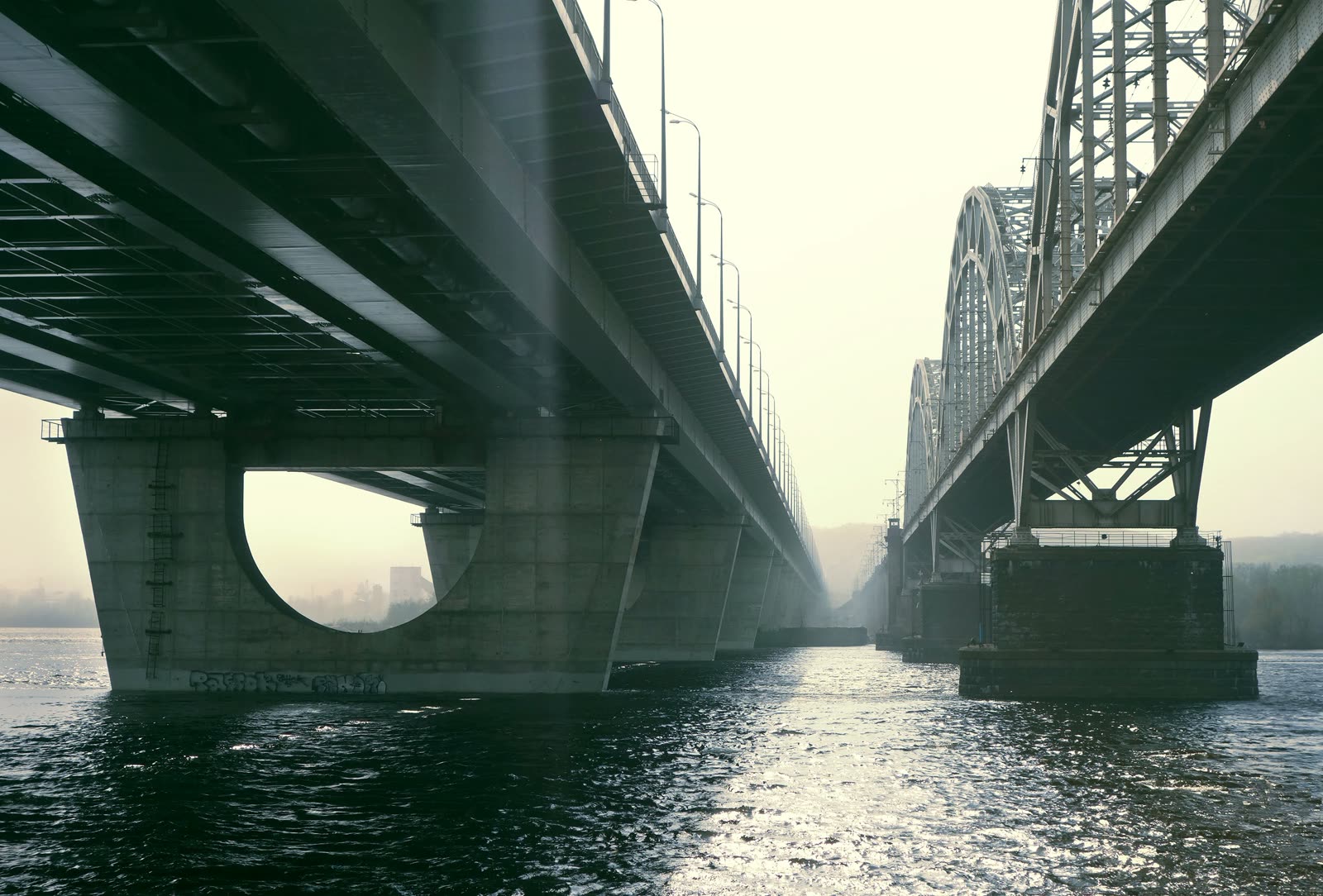
IMMERSIVE started with a photograph taken on the left bank of Kyiv. That image became a tonal sketch, then a deliberately central composition, so the viewer stands inside the moment of revelation rather than watching it happen to somebody else.
Choosing where the audience stands costs almost nothing at the sketch stage, and the same choice becomes nearly impossible after the painting is finished. Decisions of that scale are made at the concept stage, while they remain inexpensive. IMMERSIVE is the published example of that on this site.
Concept art credits
| Year | Production | Role |
|---|---|---|
| 2020 | Viddana | Lead concept artist and lead matte painter, PostModern Digital |
| 2019 | Looking Up | DMP and concept artist, PostModern Digital |
| 2018 | Welcome to Mercy | Concept artist and matte painter, PostModern Digital |
Questions producers ask
How many variants do we see?
Enough real disagreement among the choices must exist, and that is settled before work starts. A group of three options differing by hour, weather or camera position is more useful than a group of six that do not differ at all.
Can you work from a script alone, with no plates?
Yes, and this is typical for the current phase. A script, any location or design reference, and a discussion of the scene's purpose are enough to begin. Plates come in later, and the concept is developed with that timing in mind.
Do the sketches come to us, or only the final?
Both are available if you want them. Thumbnails are working material, not a deliverable. They are often the most useful item to show a director, so Chumak Studio provides them on request.
Will the concept match what we actually build?
That is the purpose of having the same people do the paint stage. Colour is the element most often lost when work changes hands, so the show's OpenColorIO configuration (opencolorio.org) should be set before the first review, not after.
What resolution and format do concepts arrive in?
Flat images are supplied for review at whatever size the review tool requires, and layered files are provided for anything that will be built on. When the concept will feed matte painting, the layers are kept clean for exactly that.
How is the first pass scheduled?
The cost depends on how many locations are being explored and how settled the design is, so each job has an individual agreement rather than a standard quote. The order stays fixed: thumbnails and a read first, finish second.