Short answer: VFX stands for visual effects, and it does not refer to a single job. At least six separate crafts fall under that label: invisible cleanup, digital environments and matte painting, computer-generated assets and animation, simulated elements such as fire and water, the prep work that makes a shot trackable, and the compositing that fuses all of it into one image. A VFX studio is the shop that removes those shots from the edit, prices them, constructs them, and delivers finished frames. Many productions employ several vendors at the same time.
Two people can agree that a scene needs VFX while imagining very different amounts of money. One person has in mind a boom mic in the top of frame. The other has in mind a city that does not exist. People correctly call both tasks VFX, which is why the term stays almost useless until someone divides it into the actual crafts. A bid eventually makes that division. Making it earlier is cheaper.
The discipline is broad and only loosely structured. The Visual Effects Society calls itself "a global professional honorary society and the entertainment industry's only organization representing the full breadth of visual effects practitioners", with "nearly 6,000 members in more than 50 countries worldwide" (the Visual Effects Society). Those figures do not correspond to any fixed hierarchy. Different studios assign the work in different ways and job titles shift, so the description here reflects common practice, and asking a particular vendor is the only reliable way to learn how that vendor operates.
The crafts that all get called VFX
The label contains six distinct crafts. Each craft involves separate artists, separate software and widely different sums of money, and one shot usually requires several of them. It helps to call each one a lane, because a bid is priced lane by lane.
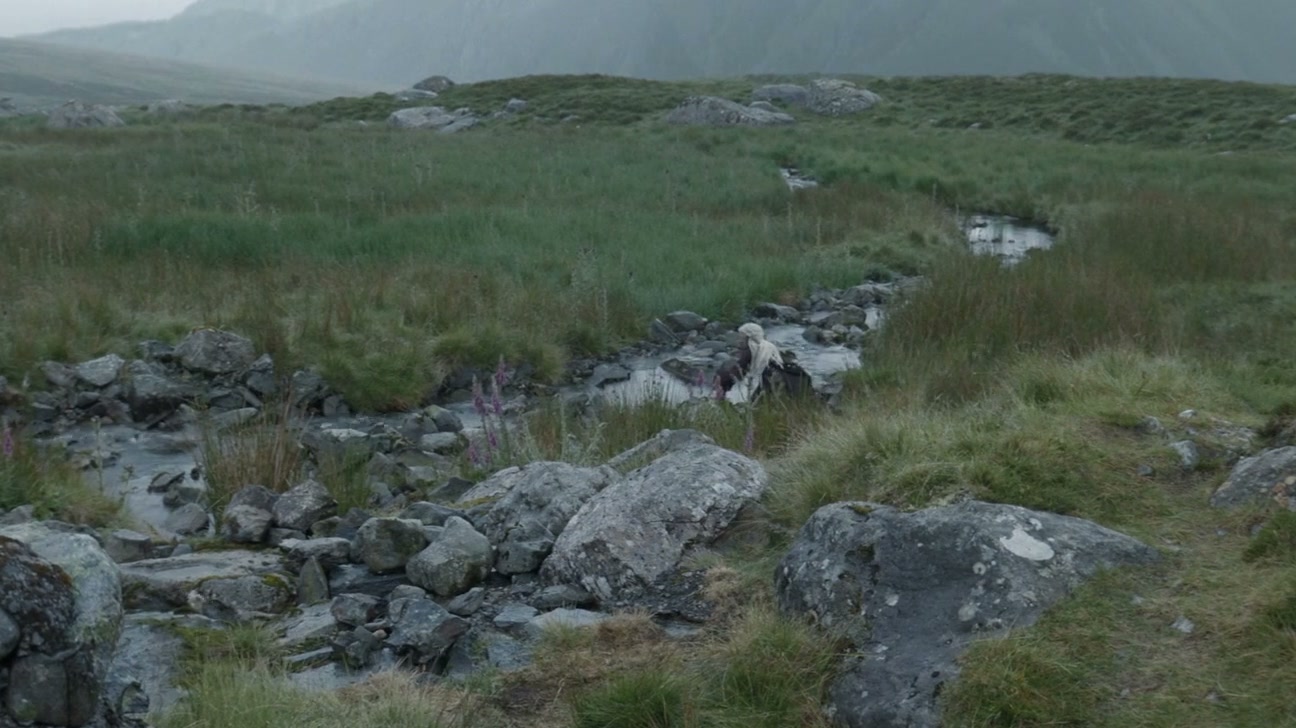
Invisible effects and cleanup. Removing elements that do not belong in the frame, and quietly returning the ones that should be there. VFX Voice defines the standard range in simple terms: "In the past, invisible effects were associated with rig removals, set extensions and environmental clean-up" (VFX Voice). Since then, the list has expanded.
Deleting an object is easy. The real work is rebuilding what sat behind it so the replacement moves, carries grain, and blurs the way the rest of the plate does. Carsten Kolve of Image Engine explained it this way in the same piece: "The hardest part of creating invisible effects is adding all the complex imperfections that exist in the real world." The standard for success is unusual, and Kolve states it plainly: "the ultimate validation for your work is to not be noticed." For a producer pricing this category of work, that is a real problem, since the reference examples are the ones nobody remembers.
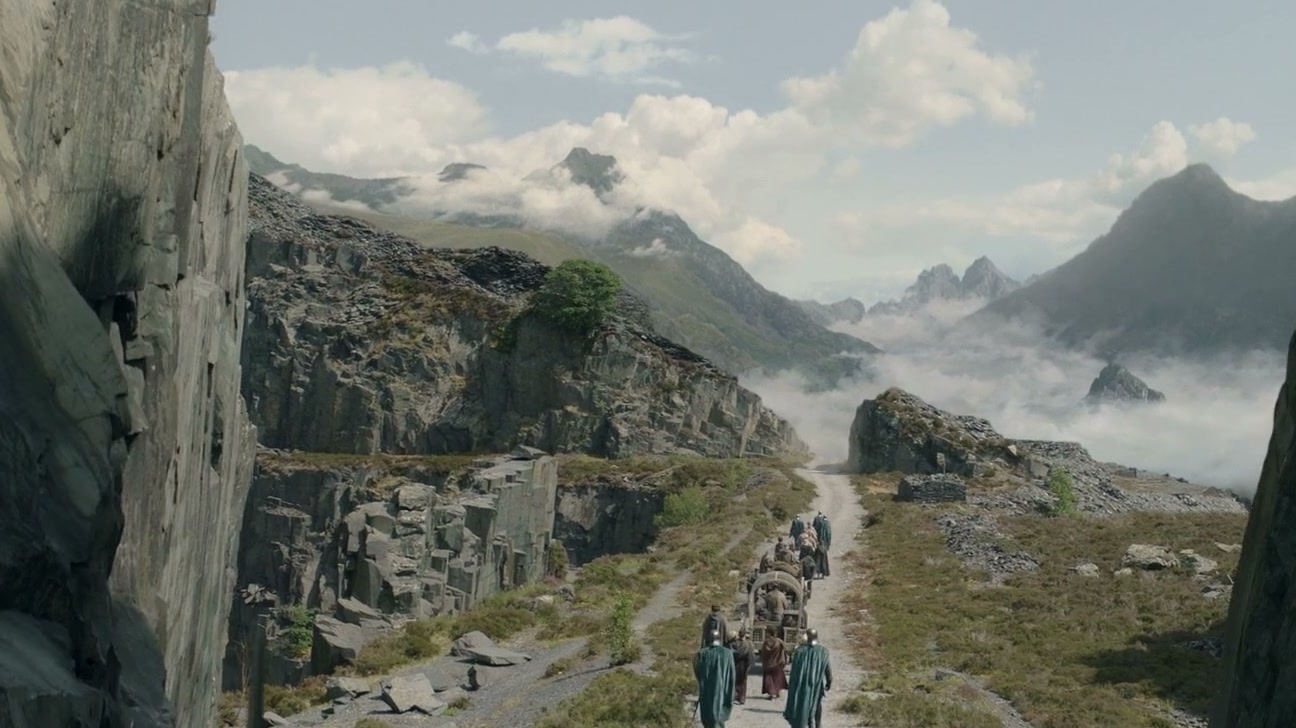
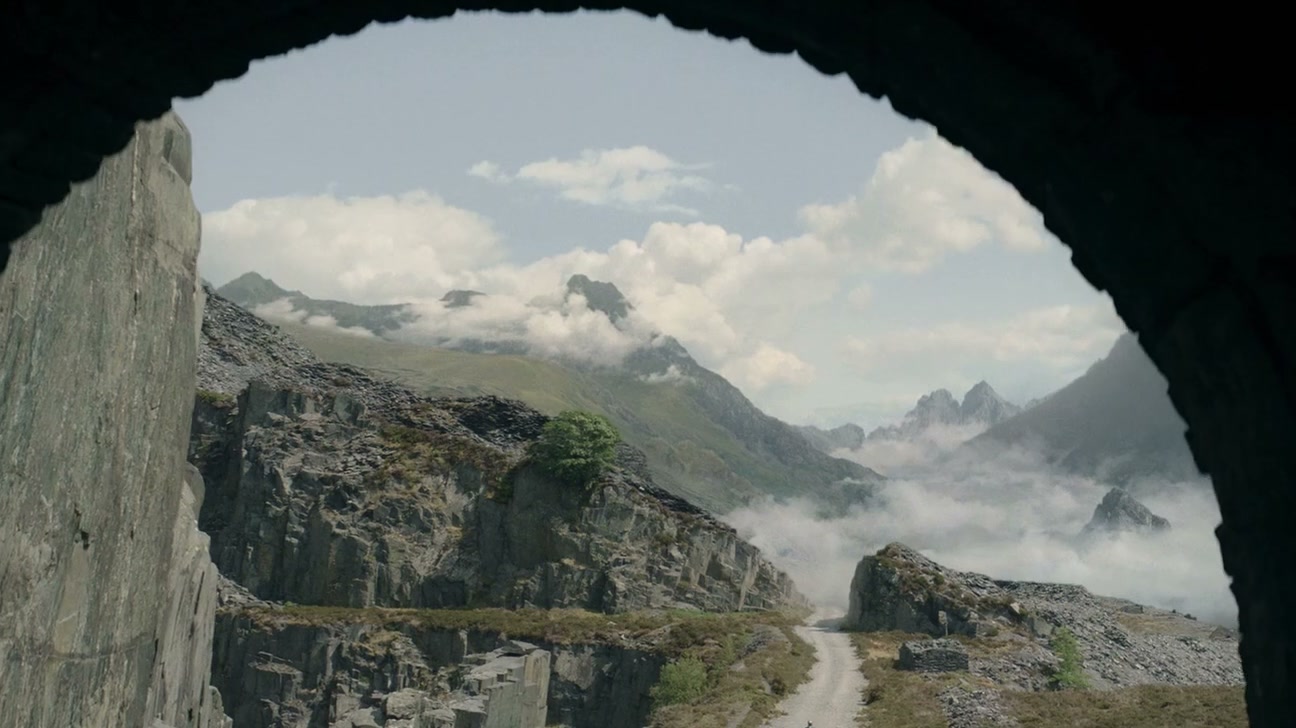
Digital environments and matte painting. A painted or constructed image that acts as a stand-in for a location, either adding to what was filmed or taking its place entirely. Charles-Henri Vidaud, Head of Environments at Milk VFX, says the discipline is "now often integrated into the 3D workflow" and is used "for paint-overs, environment extensions or background plates" (VFX Voice). In practice, this means the image is now seldom flat. Matte painters paint it, project it onto simple geometry so the camera can move through it, and hand it on as a piece the compositor can light and grade. That is the work shown on the digital matte painting and 3D environments pages.
Concept art is used to decide how a place will look before it exists. The result of matte painting is a frame that goes in the film. Their skill sets overlap, but the two are not interchangeable. A production that commissions concept art while finished environment plates were what it needed learns this late, and learning it late costs a month.
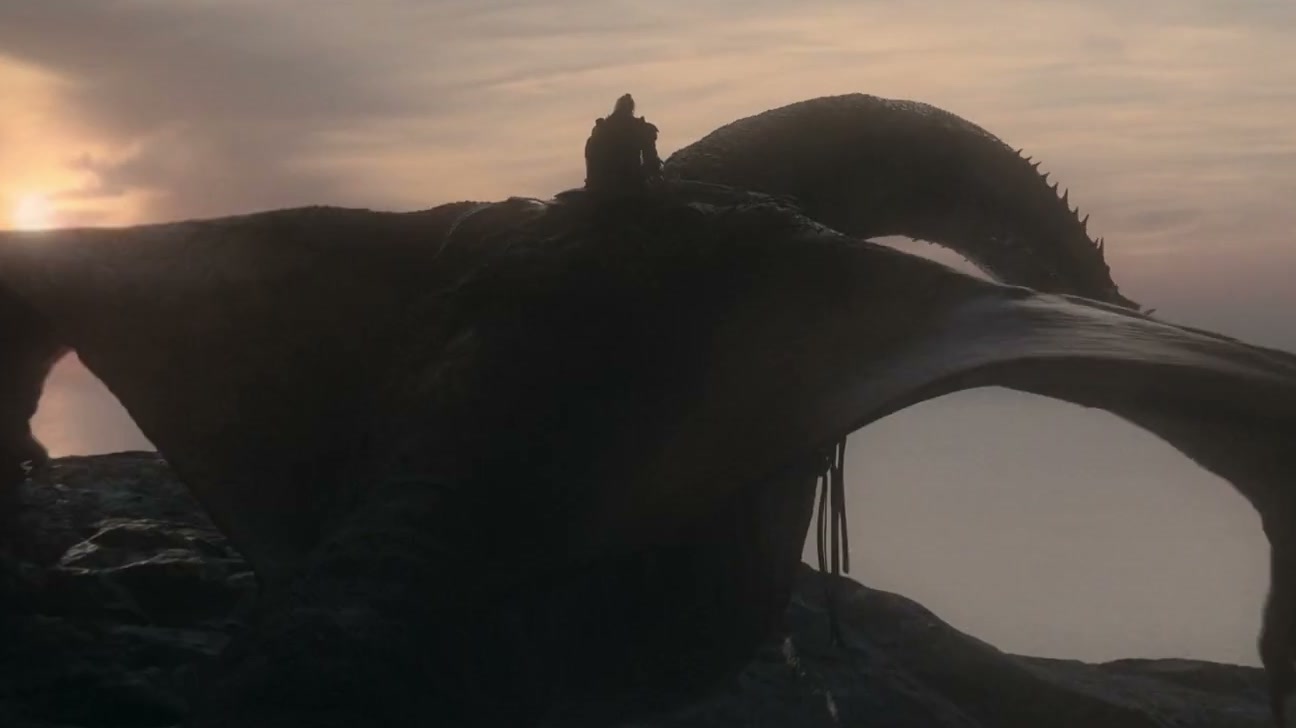
Computer-generated assets and animation. Any object built in 3D and rendered belongs here: vehicles, creatures, props, digital doubles, whole buildings. The work passes through modelling, texturing, rigging, animation, lighting and rendering, and a different artist usually handles each stage. This is the most expensive lane per shot in most bids, so a good supervisor tries to solve the shot in 2D first.
Simulated effects. Fire, water, smoke, dust, destruction, cloth, crowds. These are calculated, not hand-drawn, because what convinces the viewer is how they behave. Simulation work consumes processing power and moves in slow iterations, so this category is the one most exposed to a late request for changes.
Prep, roto and tracking. Mattes drawn by hand separate an actor from the background, camera solves tell the software how the real camera moved, and layout positions CG in the correct space. None of that work appears in a trailer. Almost every shot in the other five lanes depends on it, and subcontractors often get it first.
Compositing. This is the final stage, and the point where every piece comes together. The compositor takes the plate, the CG renders, the painted environment, the simulated elements and the mattes, and merges them into a single image that looks like one photograph taken by one camera. If a shot is described as failing, this is usually where the correction happens, no matter who caused the problem.
What a VFX studio actually does
The visible component is the creative work. What a studio actually sells is the framework around it. The sequence rarely varies: a breakdown, a bid, plates turned over from editorial, versions and notes, then finals back into the cut.
Work is delivered as a breakdown, a shot-by-shot list of what each shot requires. The studio sets a price for that list. Duncan McWilliam of Outpost VFX outlines how this is normally done: "We will bid to the script and then caveat that with a document that goes into the bid contract that these shots are based on these assumptions" (VFX Voice). Those assumptions are the central part of the document, because they establish what will later count as a change.
Once a package is placed, editorial hands off shots with plates and reference. The studio produces versions, reviews them in house, sends them to the client, collects notes, and sends the work again. Final versions go back into the cut. At the same time, the edit keeps shifting, so bidding does not occur only once. McWilliam again: "We bid based on what we're talking about this week, and if it changes next week then we rebid."
Beneath all of that is a pipeline: the software plumbing that carries a shot between departments without breaking it. The industry aligns much of that stack by convention. The VFX Reference Platform "defines a set of tool and library versions to establish a consistent build target for software providers", and says its goal is to reduce "incompatibilities between different software packages" and to ease "the support burden for integrated pipelines" (VFX Reference Platform). The platform is a shared build target, not a file format. Whether a plate opens correctly at the next vendor depends on a separate agreement about format and colour space, and that should be settled before turnover, not after.
A studio and a specialist vendor are not the same thing
Both get called a VFX studio. They sell different things.
A full-service vendor takes on an entire show, or a large portion of one, and provides every required discipline with its own staff. A specialist is hired for one package only: environments, cleanup, or creature work, and no other tasks. A production often uses several vendors at the same time. Kathy Chasen-Hay, Senior Vice President of Visual Effects at Skydance Productions, explains how the choices are made: "We pick these vendors based on their specialties, shot count and the size of the budget" (VFX Voice). Pieter Luypaert, VFX Producer at Dream Machine FX, describes the typical outcome: "The main vendor typically handles the majority of the work, while the studio's visual effects production team oversees the coordination among the different vendors."
In practice, a producer does not automatically get a simpler process by hiring one large vendor instead of two. You simply move the coordination into somebody else's building; you pay for that move, and in return you do not have to handle it. For a VFX producer at a studio, the opposite question is the relevant one: a specialist package costs less per shot and only works if the turnover is clean and someone owns the handback.
What the shoot owes the shot
On the day, people thinking about other things determine most of what makes a VFX shot cheap or expensive.
The material a vendor expects back from set is mundane. A clean plate, which is a few seconds of the empty set recorded from the same camera position. Dimensions for anything that has to be replaced. The lens and how it warps the image, usually recorded by filming a printed grid. And a lighting record, usually a chrome ball and a grey ball shot where the actor stood, so CG can be matched to the day rather than estimated.
The buyer makes part of it official. When productions shoot plates, Netflix specifies that "Each camera in use (multi-camera array or otherwise) must have a minimum active photosite count of 3840 x 2160" (Netflix Partner Help Center). It also specifies that a framing chart "should be shot before principal photography begins and processed through the dailies, editorial, and VFX pipelines" (Netflix Partner Help Center).
Different productions and vendors expect different things, so ask your own. That said, the rule still applies: a short clean plate shot on the day will save days of paint work later, and producers rarely wish they had not shot the empty set.
Where the money and the schedule actually go
In most bids, labour accounts for nearly everything. Software licences and render time are genuine costs, but they do not make a VFX budget large. Hours worked by artists are. For that reason, the same on-screen picture can cost very different amounts depending on which lane solved it.
This argument favors painting a thing rather than building it. Timothy Mueller, Senior Generalist Artist at ILM, puts the economic case plainly: "Matte painters can work independently, without relying on other departments, allowing for greater efficiency and significant savings in both time and cost for productions" (VFX Voice). In the same article, Vidaud is candid about the trade-off: "Fully 2D or 2.5D matte paintings are becoming rarer, but they remain a cost-effective solution when applied strategically." In that sentence, the operative word is strategically. When the camera behaves, a painted environment is cheap; when it does not, it is expensive.
The schedule risk is located in the edit, not elsewhere. After work begins, a shot that changes its length, its angle, or its neighbouring shots becomes a new shot priced at the old rate. That circumstance is what the bid assumptions are written to describe, and it routinely leads to an unexpected bill.
What to ask before you ask for a price
Four questions get a more useful answer than "what does VFX cost".
What lane does this shot belong to, and is there a cheaper lane that still works? What conditions must hold on the day for that cheaper lane to remain available? What is the written list of assumptions for this bid? And how does the price change if the cut is altered after turnover?
When a vendor answers all four, they are telling you how the job will proceed. When they answer only the first, they are just giving a number.
Is VFX the same as video editing?
No, though the two get confused in early conversations.
Editors decide which frames the audience sees and the order in which they see them. Colourists determine the overall appearance of those frames. VFX artists alter what is inside the frames. When the fix is to "use the other take," that work belongs to editorial. When the fix is "the other take is better but there is a crew member in the mirror," that work belongs to VFX. Late in post, the three departments work in parallel and rely on each other, so a VFX vendor asks for the current cut rather than the one from a month ago.
Who is a VFX designer?
The title "VFX designer" rarely appears on a crew list. The visual effects supervisor usually decides what an effect looks like, using concept art and previs, which are rough animated versions of a shot made before it is filmed. The visual effects producer decides what it costs and when it lands. The craft roles under them are compositor, matte painter, environment artist, FX artist, and animator. When someone gives you a job title you do not know, ask which of those roles they perform on a shot.
If you are still not sure what you need
Most productions arrive without a clear idea of which lane a shot belongs in. That is normal, and resolving it is part of the conversation.
Chumak Studio, based in Toronto, creates painted environments for film and television. The credit list identifies the productions. If you have a shot and are unsure what it needs, send the frame and you will receive a direct answer about whether this is the right tool for it.