Craft

How the work is done

The parts of the job that decide whether a frame holds: depth, colour, continuity, evidence, and the order things have to happen in.

A completed environment either holds up or it does not; the causes of failure are ordinary and repeatable. A flat painting behaves like a single sheet as soon as the camera moves. The moment a colourist touches it, a painting that was matched to a monitor by eye detaches from the plate. When several artists divide a location, it drifts through one sensible choice after another, until the final shot stops matching the first. When no photograph of a period location has survived, the build rests on evidence of very uneven quality, and knowing the rung a detail came from separates a plausible frame from a guess. The pages in this section lay out those mechanics; they are not meant to teach the craft, but so the person reviewing the work knows what to inspect and what to request. Reading them should shorten a review, because the note that matters gets easier to identify.

Some failures begin before anyone paints. A shot pulled from an older cut, short of handles or carrying a reframe nobody flagged, takes its error through every department after it, and the order of those departments explains why a late note costs what it does. Photographs bring their own risk into a painting: light from one afternoon, a lens from another, and rights that stay with whoever took them. None of this needs technical training to follow. It needs the reviewer to know where in the order a problem was born, because that is usually where it is cheapest to fix, and these pages try to make that place easy to find.
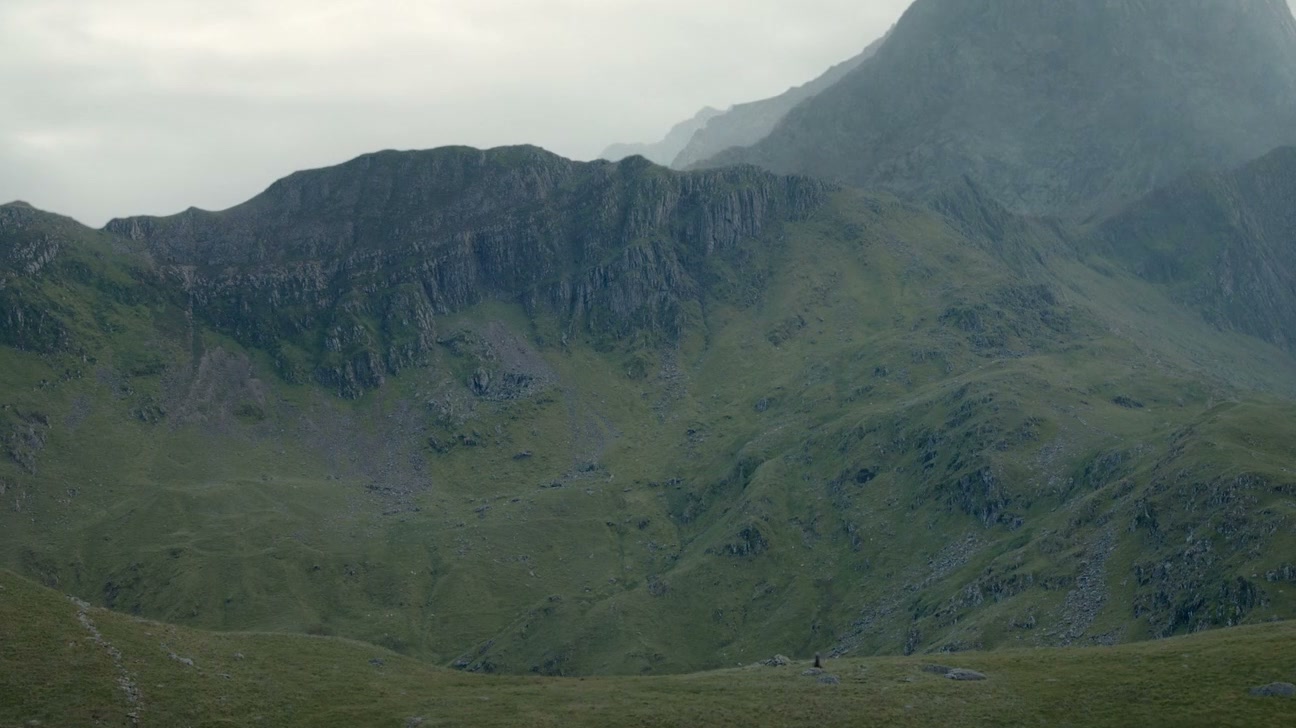
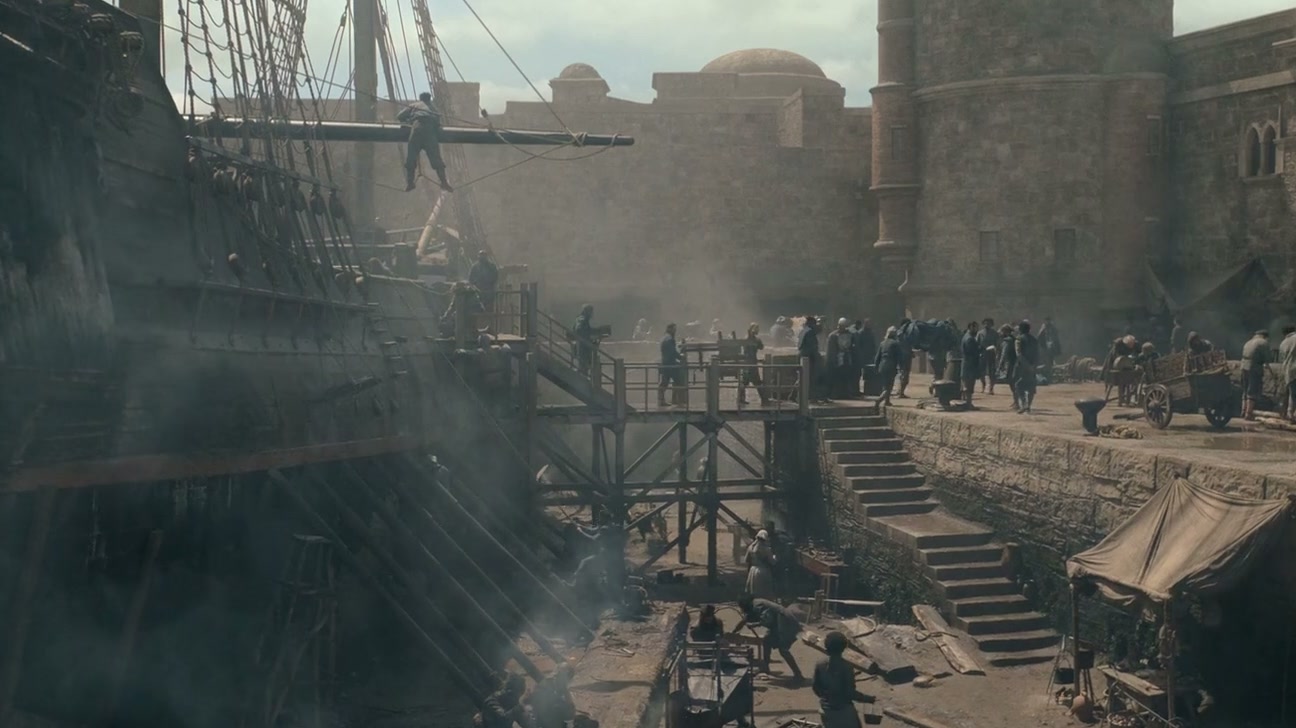
How the work is doneWhy a matte painting has to be graded to a plate it has never seenThe painting is made months before the grade exists, against a plate that will change. Working in the show's colour space is what stops that becoming a redo. · 1172 wordsHow the work is doneThe VFX pipeline, explained for the person paying for itA VFX pipeline is the order a shot moves through departments, and the software that carries it between them. Where it waits is where your schedule goes. · 970 wordsHow the work is doneWhat a VFX pull is, and what goes wrong between the edit and the vendorA VFX pull is the set of original camera frames cut out for each effects shot and sent to a vendor. Most shot problems that start in week one start here. · 917 wordsHow the work is doneWhat photobashing is, and where the photographs in a painting come fromPhotobashing builds an image from pieces of photographs painted together. It is standard in concept art and matte painting, and the sources matter. · 813 wordsHow the work is doneHow a matte painting shot is put together, start to finishThe order a matte painting shot moves through, from plate and camera data to final delivery, and what the production has to supply at each stage. · 2254 wordsHow the work is doneHow environment continuity is held across shots painted by different peopleA location split between artists drifts. What stops it is a master key and one owner, agreed before any shot starts, not a note round after the drift appears. · 1254 wordsHow the work is doneWhy a painted environment falls apart when the camera moves, and what fixes itA flat painting holds up until the camera moves, then the eye catches that nothing shifts against anything else. Depth is what fixes it, and depth costs. · 1292 wordsHow the work is doneHow period environments are rebuilt when no reference photograph existsWhen there is no photograph of the place, the work runs on an evidence ladder. Knowing which rung a detail came from is what keeps a period frame honest. · 1173 wordsHow the work is doneThe famous shots that were matte paintingsSkull Island, the Himalayas of Black Narcissus, the London of Mary Poppins and the last shot of Raiders were paintings. Here is how each one was made. · 1980 wordsHow the work is doneSky replacement: what it costs you later if it is done earlyReplacing a sky is rarely just the sky. Locking one before the grade and the edit are settled is the cheapest looking decision that gets paid for twice. · 1129 words
The other pillars

Have a world that needs building?

Send the script page, the mood, or just the feeling.

anastasiia.chumak@chumak.studio
+1 416 371 1578
21 Lawren Harris Sq, Toronto, ON M5A 0T4, Canada
InstagramBehanceFacebookLinkedInVimeoIMDb