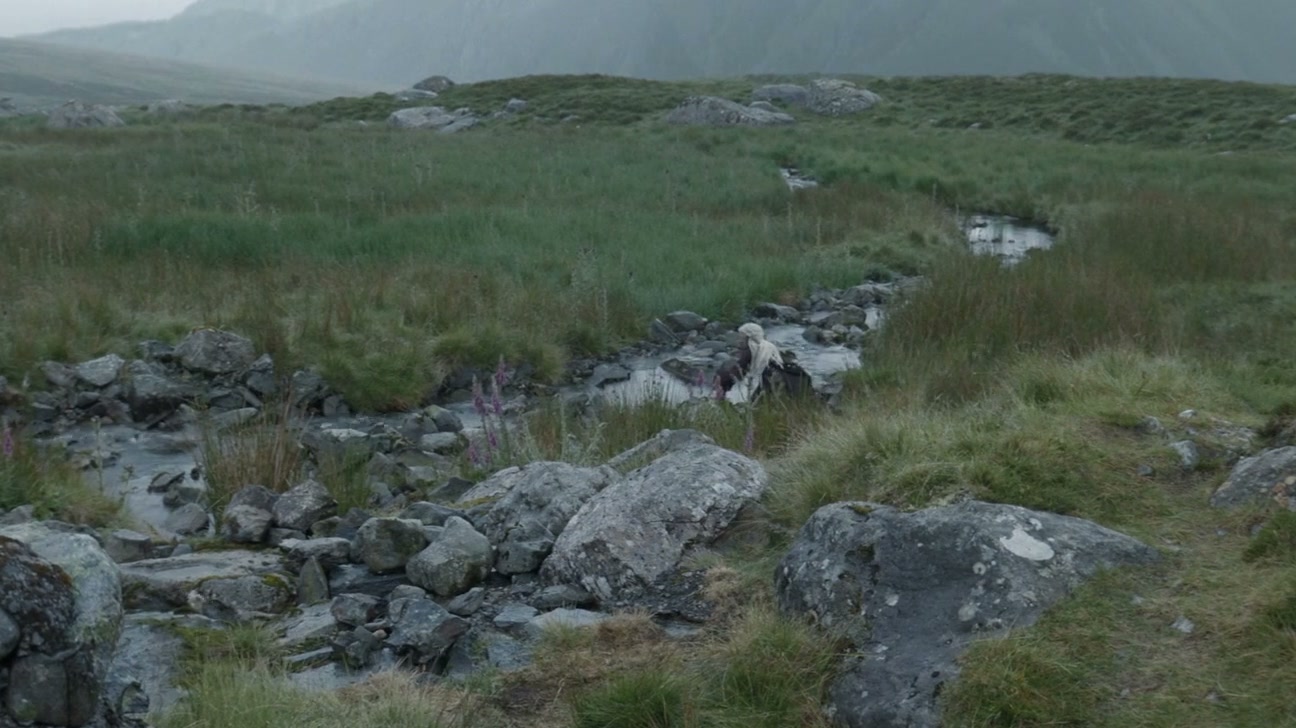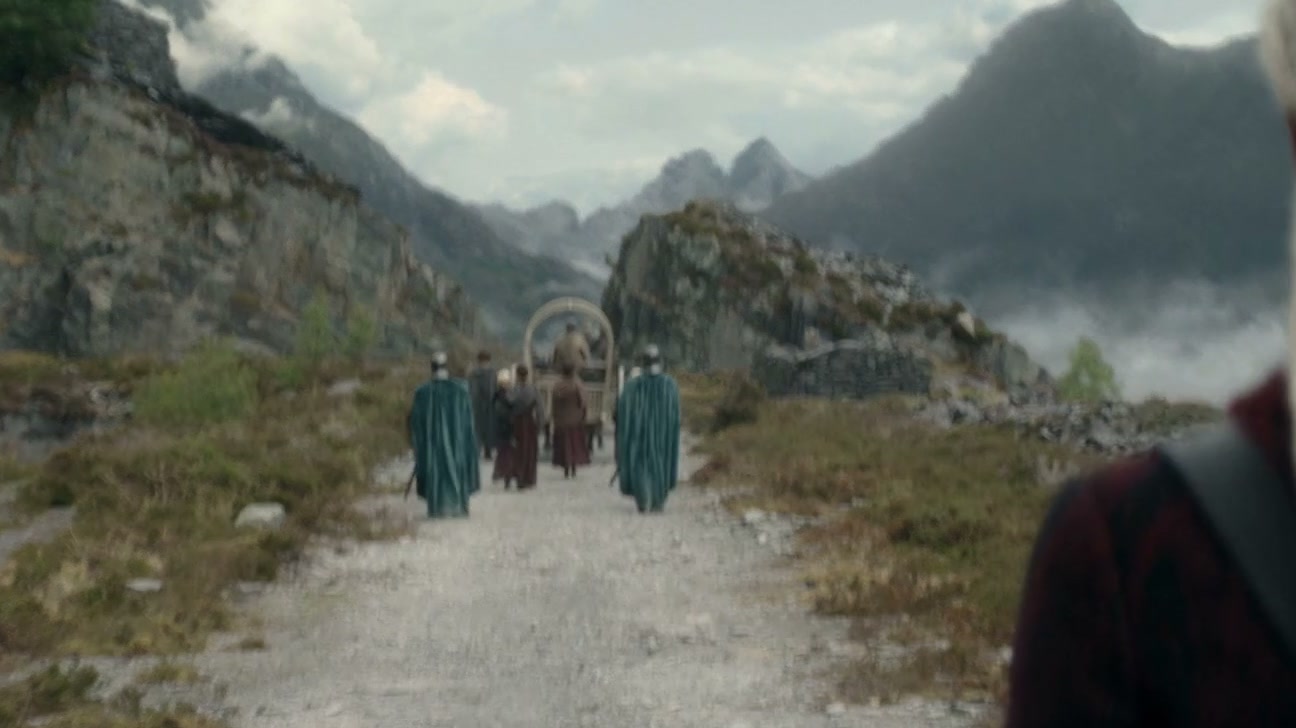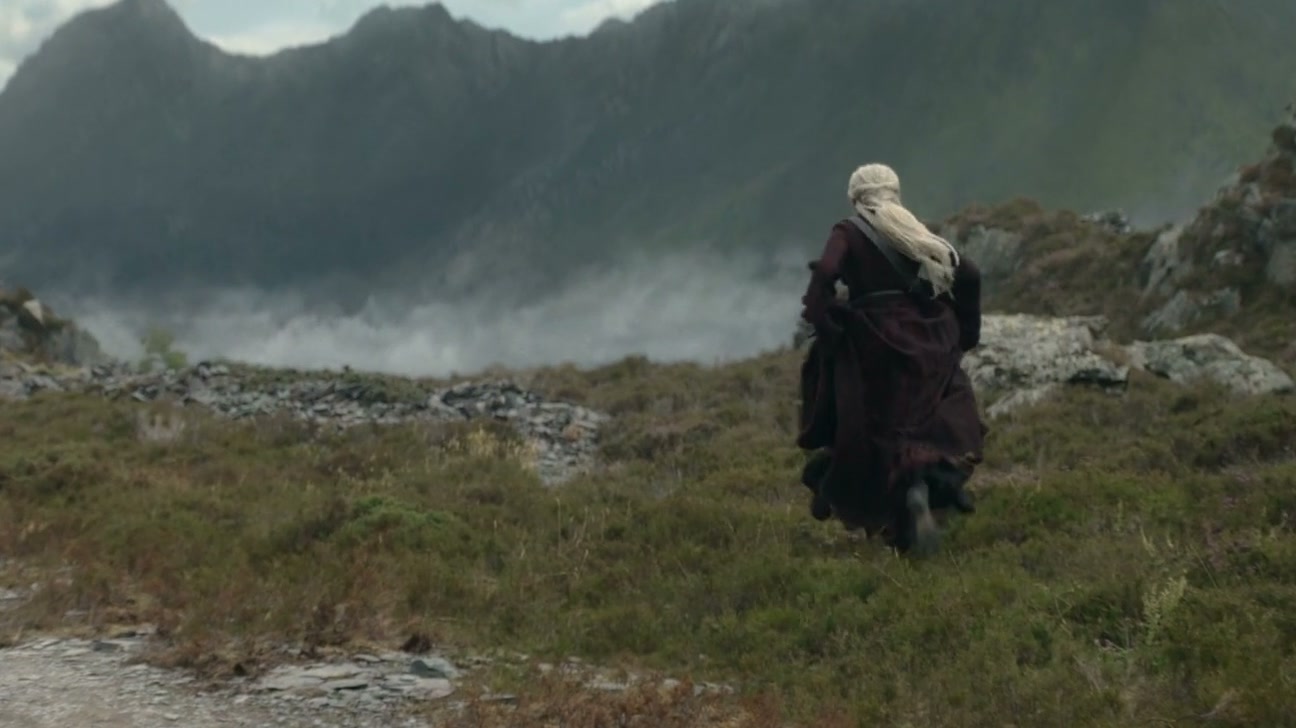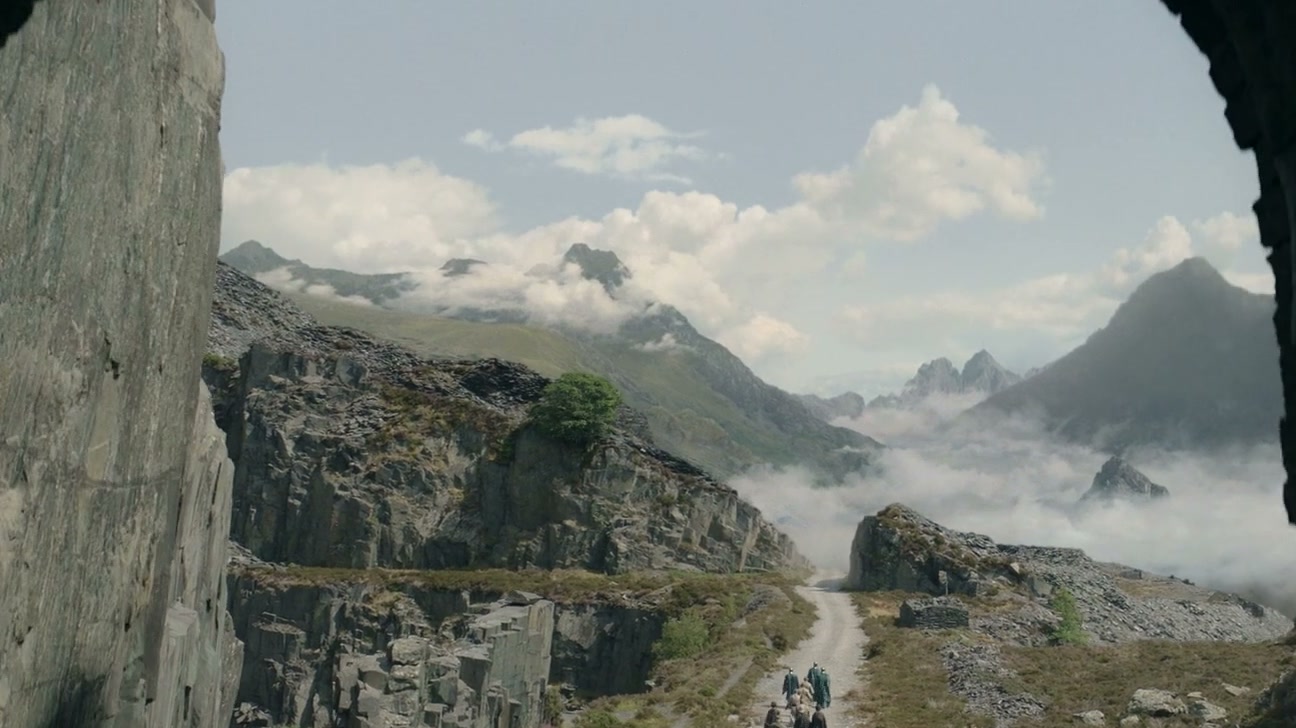
Short answer: Yes. Matte paintings are used constantly in film and television. They're digital now, not paint on glass, and most are designed not to be noticed. They fill skies, distant cities, landscapes and the upper floors of sets that were only built one storey high. On LED virtual production stages, painted and photographic environments are shown on the wall behind the actors, which moves some of the work to before the shoot.
The question usually comes from someone who has seen a behind-the-scenes clip of a glass painting from the 1970s and assumes the craft ended there. The glass did. The job didn't.
What changed is the material, not the job
A matte painting has always had one purpose: show the audience a place that is not in front of the camera. Wikipedia's article traces it from painted glass to digital tools and notes that "paint was superseded in the 21st century by digital images created using photo references, 3-D models, and drawing tablets".
A matte painter today works in software, mixing painting with photographs and simple 3D geometry, and delivers layers rather than one sheet of glass. The painting can be projected onto basic shapes so it holds up while the camera moves, which glass never could. The method is set out in how a matte painting shot is put together.
The people doing it describe the field as active. Timothy Mueller of ILM told VFX Voice in 2025 that "matte painting remains a vital and evolving art form in the film, television and gaming industries".
Where you are seeing them without knowing
The famous matte paintings of the past were spectacles: a palace, a city in the clouds. Those still exist. But most environment paintings in a current show are quieter, and they're meant to be.
- Skies. A grey day turned into the weather the scene needs, or the same sky held across a sequence shot over three days.
- Set extensions. The street built to the first floor on a backlot, with the rest of the buildings and the skyline painted above.
- Period cleanup. A modern city painted back a hundred years: aerials, signs and glass towers removed and replaced.
- Distance. The mountains behind a valley, the far side of a harbour, the city seen from a window.
- Establishing shots. The wide view that tells the audience where they are, often of a place that does not exist.
If a shot shows a large place from far away, holds still or moves slowly, and looks a little too well composed for a real location, there is a fair chance some of it is painted. And usually nobody notices, which is the measure of the work. That idea is the subject of what invisible effects means.
The LED stage moved the painting earlier
The biggest change in the last few years is where some environment work happens. On an LED stage, often called a volume, the background is displayed on a wall of LED panels behind the actors and photographed in camera.
Wikipedia describes on-set virtual production as a technology in which "LED panels are used as a backdrop for a set, on which video or computer-generated imagery can be displayed in real-time", and notes that it spread widely after the first season of The Mandalorian in 2019. Real-time environments for these walls are often built in a game engine such as Unreal Engine. Simpler setups play back pre-recorded background plates.
For environment work this changes the schedule. A painted or built background still has to be designed and lit to match the set in front of it. But it has to be finished before the shoot day, not months later in post, because the actors are standing in front of it. Decisions that a production used to make after the edit now have to be made in pre-production.
The skills carry over directly: perspective, light, atmosphere, and an eye for what reads as real at a distance. A late note can no longer be absorbed quietly in post.
Is matte painting a job that still exists?
Yes, though the title varies. The work appears under digital matte painter, environment artist, environment generalist and DMP artist, and the boundaries between those overlap. Many people in the field move between painting, 3D and compositing on the same show.
Why productions use it hasn't changed. Building a full environment in 3D costs time and money that a painting often does not, especially for anything seen from one direction or from far away. The comparison is laid out in digital matte painting and CG environments are not the same job.
If you have a place that is not there
Chumak Studio, in Toronto, paints environments for film and television: skies, set extensions, period cleanup and distant views. The work is described on the digital matte painting and 3D environments pages. If you are planning a shot and want to know whether it should be painted, built or shown on a wall, send the frame and ask.