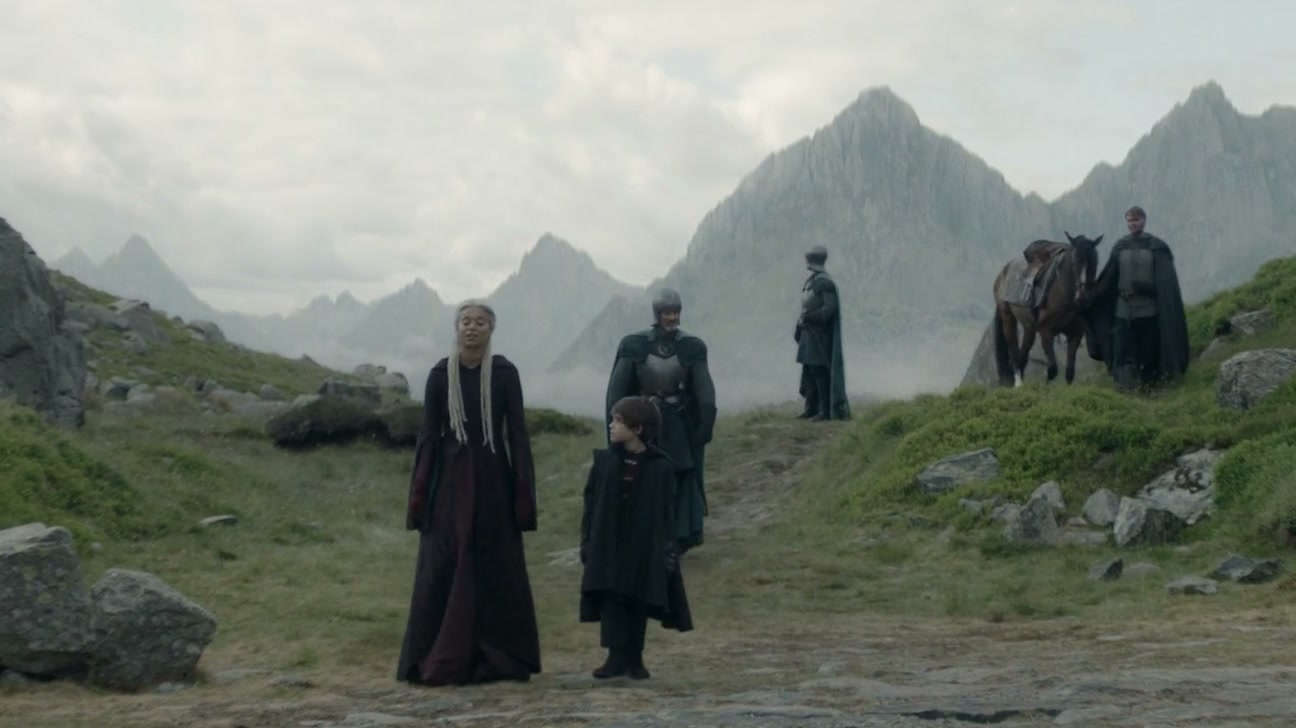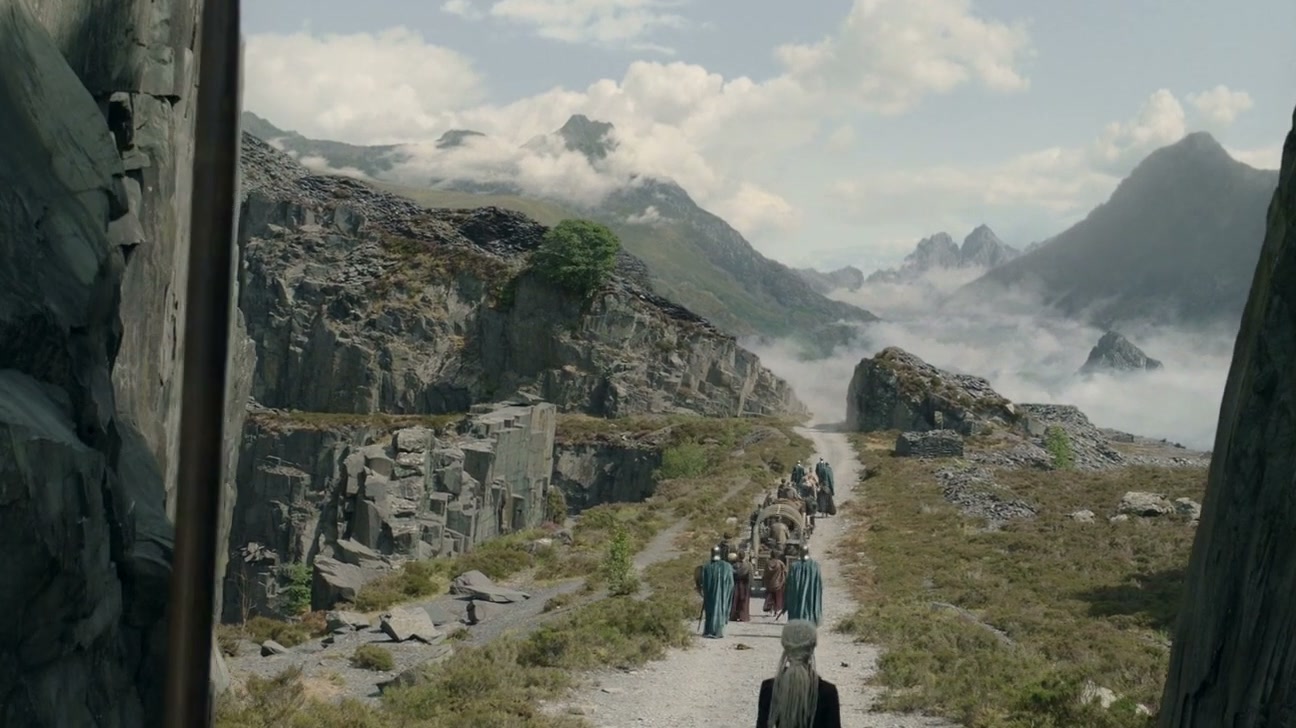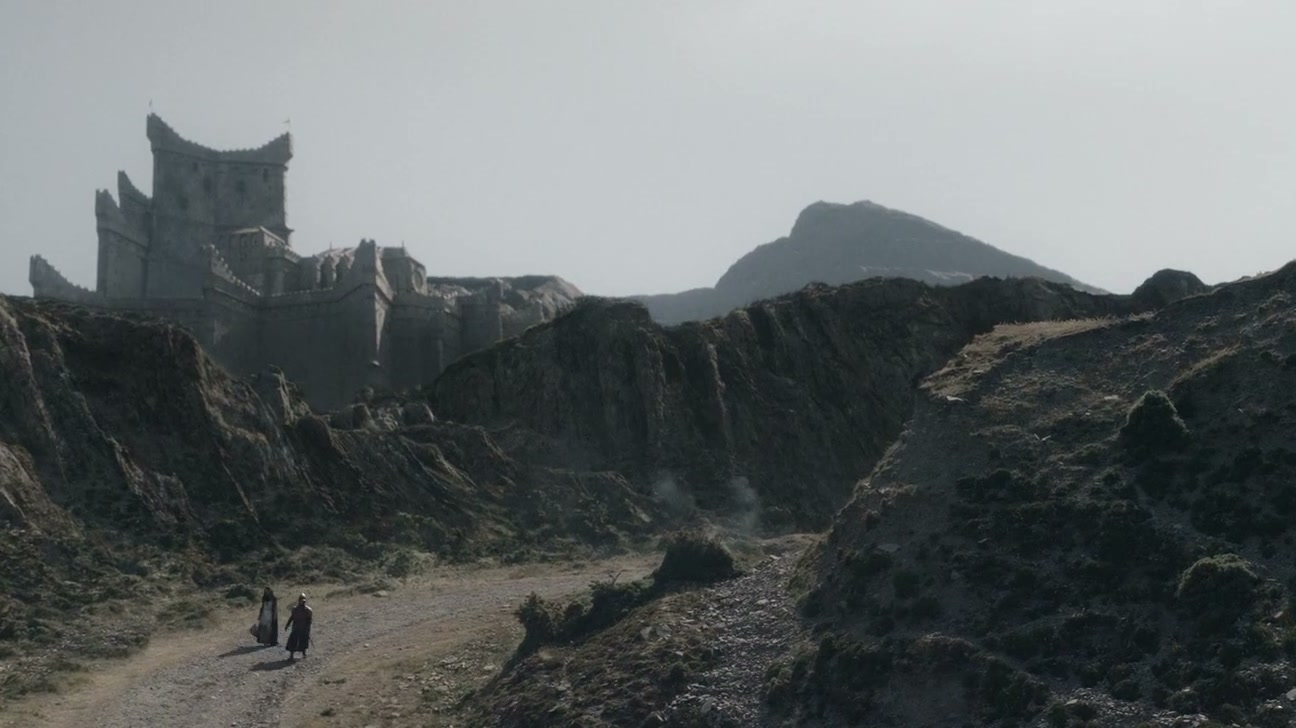
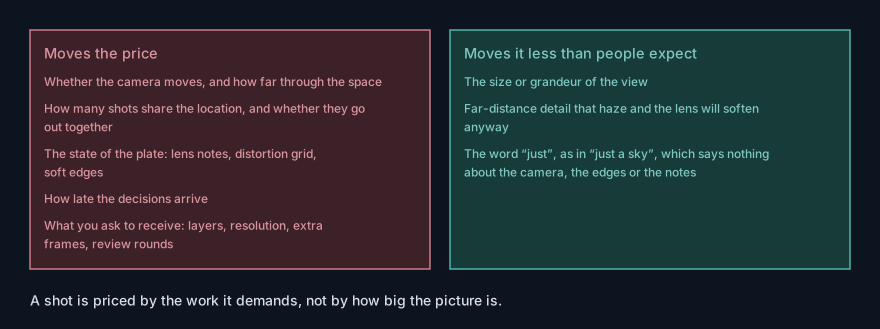
Short answer: An environment shot is priced by the work it demands, not by the size of the view. In most bids the camera move matters most, followed by shots per location, the state of the plate, late decisions and the delivery spec. A vast view on a locked camera can cost less than a small fix in a moving shot.
People who ask why visual effects cost so much are usually looking at the wrong thing. They see the size of the picture: a whole city, a mountain range, a sky full of weather. The person bidding the shot is looking at something else, which is how much of that picture has to hold up while the camera moves, and how many times it will be repainted before it is final.
This page does not give a price. There is no honest rate card for this work, because two shots that look alike on paper can differ widely in effort. What it does give you is the list of things that move the price, so you can read a bid, ask better questions and control the parts that are yours to control.
The camera move, before anything in the frame
One of the first questions a vendor asks about a shot is whether the camera moves, and it is not small talk.
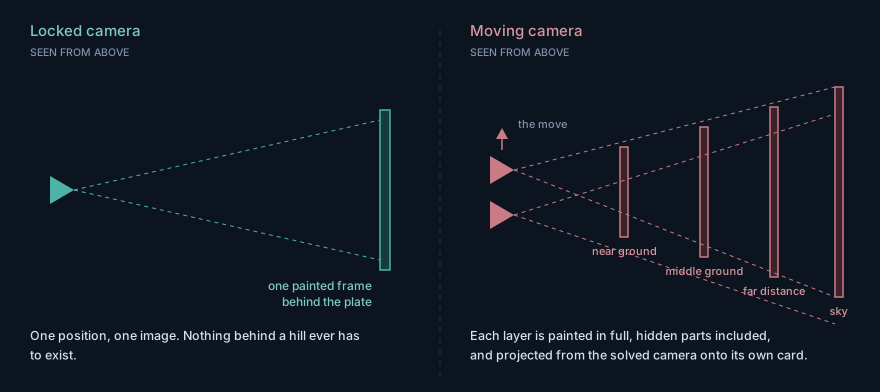
On a locked-off camera, one that does not move during the shot, a matte painting can be a single finished image placed behind the filmed plate. Everything the audience sees is seen from one position. Nothing behind a hill ever has to exist.
Once the camera moves, near things slide past far things. That shift, called parallax, is how the eye reads depth, and a flat painting cannot produce it. So the painting is split into layers by distance, and each layer is projected onto simple geometry from the camera recovered from the footage. Foundry's documentation for the Project3D node in Nuke, a compositing program widely used in visual effects, describes the operation: it projects an input image through a camera onto the 3D object. The step-by-step version is in how a matte painting shot is put together.
That is where the cost climbs.
Each layer has to be painted in full, including the parts hidden behind the layer in front of it, because the move will reveal some of them. The camera's movement has to be recovered from the footage, which is called solving it, before painting can start.
And if the move travels far enough through the space, projection stops working and the job becomes a built 3D environment, which is a different service on a different budget. One vendor put the difference plainly: Duncan McWilliam, founder of Outpost VFX, told VFX Voice in 2020 that when a client cannot afford a plan, his team looks for "a cost-savvy way of doing it either on set or in 2D instead of 3D". Why a painted environment needs depth explains where that line falls.
How many shots share the location
Environment work usually gets cheaper per shot when shots share a place.
The first shot of a location carries the expensive decisions: the reference, the palette, the light, the way the architecture is built. Every later shot of that location inherits those answers. A sequence of shots in one valley, bid and painted together, is a different job from the same number of unrelated frames, because most of the thinking happens once.
The practical consequence is about how you send the work out. Send a location as a batch, to one vendor, as early as you can. Splitting it between vendors, or releasing it one shot at a time over months, means paying for the same decisions more than once and then paying again to make the shots match. The same logic, seen from the side of a studio sending work out, is in what a VFX studio buys when it subcontracts.
The state of the plate you hand over
A shot arrives as material: the plate (the filmed footage), the camera and lens notes, a distortion grid (a printed chart filmed through the same lens, so its bend can be measured), the length of the shot in the edit, and the colour space the show works in. Every missing piece is rebuilt by someone, and that someone is on the invoice.
No lens notes means the camera has to be solved with more guesswork. No distortion grid means the lens has to be estimated from lines in the frame. A plate delivered already graded, meaning colour-corrected for the final look, has to be unpicked before the painting can match it. None of this shows in the final frame, and all of it is time.
The plate's contents matter too. A painted background behind a clean, hard edge, such as a rooftop against the sky, is a comparatively simple job. The same background behind hair, leaves or smoke is not, because every soft edge that crosses it usually has to be separated by hand. That is why replacing a sky is sometimes far more work than it sounds.
When the decisions arrive
A note costs what it undoes.
A note on the blockout, the rough grey version of the frame, costs very little, because nothing has been built on it yet. The same note after the layers are painted costs those layers. A change to the direction of the light can cost close to a new painting, because in a painting the light is in every stroke. A camera move added in the edit after the projections are set up can turn one projection into several.
Bids are written against assumptions, and they move when the assumptions do. In the same VFX Voice piece, McWilliam described how bids actually work: "we bid based on what we're talking about this week, and if it changes next week then we rebid". Much of the price, then, is set by the order in which answers reach the artist. A production that approves the blockout properly, with the director, before painting starts, is buying its shot more cheaply than one that approves the finished frame and then changes it. The fastest way to write a brief that does this is in how to brief a matte painting.
What you ask to receive
The delivery spec is part of the price, and it is cheaper to decide at bid time than at delivery.
A flattened final frame is the least work to hand over and the most expensive thing to change later, because any note sends the shot back to the painter. Separated layers, delivered with the frame, let your own compositors, the artists who assemble the final shot, adjust it without reopening the job. Resolution, the extra frames either side of the cut, the number of review rounds included and the colour space the files come back in (the colour standard the show works in) all belong in the bid, in writing, before anyone starts.
What moves the price less than people expect
The size of the view. A wide vista seen from far away is often forgiving. Atmosphere softens the distance, and a locked camera never asks the far hills to move. The grandeur of a shot is a weak guide to its cost.
Detail nobody will see. Far-distance detail is lost to haze and to the lens. Painting it is time that does not reach the screen, and a good vendor will tell you so rather than bill for it.
The word "just". "It's just a sky" or "just a bit of extension" says nothing about the camera, the edges or the notes. The size of the change on screen is a poor guide to the size of the job.
Why does CGI environment work cost so much?
CGI, computer-generated imagery, is the word most people use for all of this, painted or built. Most of the cost sits in places the finished frame hides: the depth a moving camera needs, the parts painted to stay hidden, the soft edges separated by hand and the rounds of changes after decisions arrive late. A production controls more of that than it usually realises.
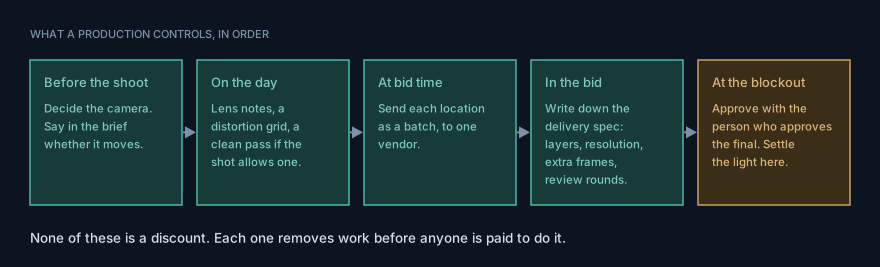
Five things keep the cost down, and all of them are decisions rather than discounts:
- Decide the camera before the shoot, and say in the brief whether it moves.
- Capture the data on the day: lens notes, a distortion grid, a clean pass (the same camera move filmed again with the actors out of frame) if the shot allows one.
- Send each location as a batch, to one vendor.
- Put the delivery spec in the bid: layers, resolution, extra frames, review rounds.
- Approve the blockout with the person who will approve the final, and settle the light at that stage.
Getting an answer about your own shot
Chumak Studio paints environments for film and television, in Toronto, and digital matte painting is the core of the work. If you have a shot and want to know what is driving its price, send the frame and the camera notes. You will get a straight answer about what the shot needs, including when it needs less than you expected.