Short answer: You are purchasing a specific advantage inside your own pipeline. The images are the straightforward part. The real thing you pay for is a block of shots that leaves your board, returns in your format, matches your grade, and does not create a second internal pass to repair it. A vendor who delivers appealing frames your compositors must rebuild gives you nothing.
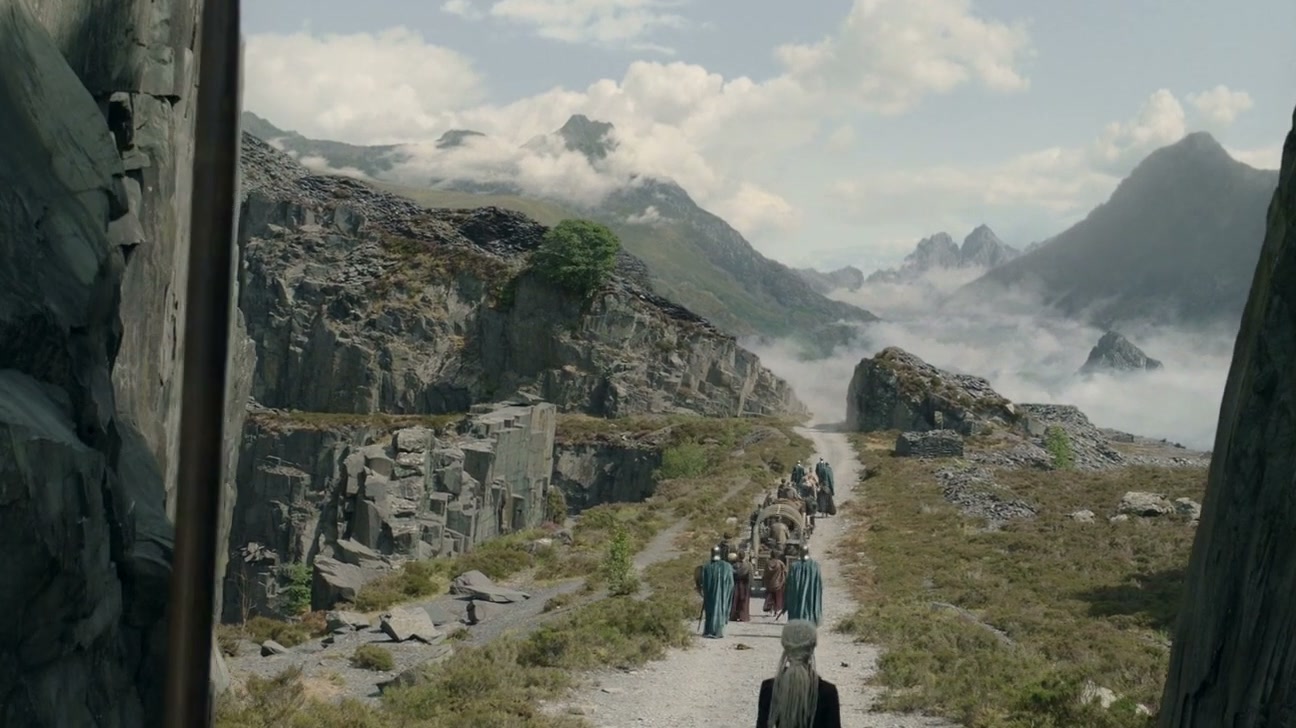
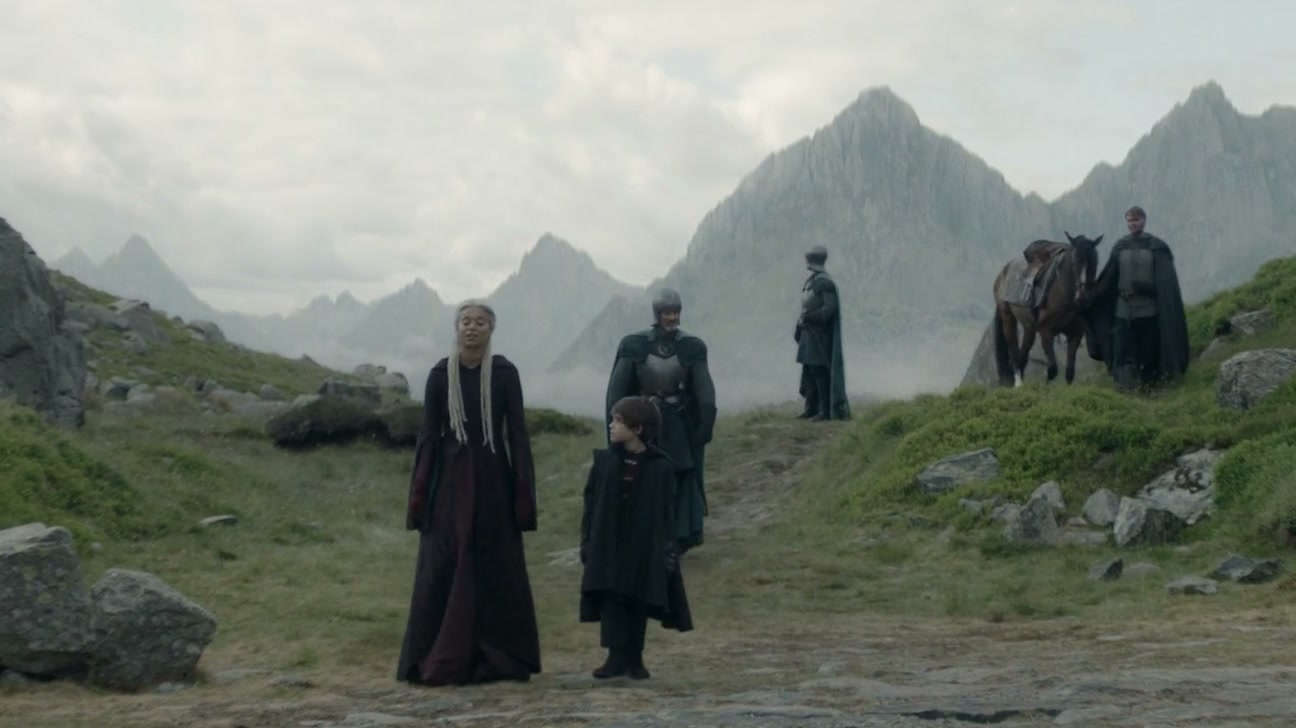
Environment overflow belongs to the small set of packages that split off from a show without complication. It occupies the rear of the frame, has little interaction with character animation, and can be distributed separately without distributing the entire sequence. This makes it the element most often subcontracted, and it is also why, without much notice, it is the easiest package to get wrong.
The intended reader is the person deciding whether to send it out. The points covered are what actually transfers, what remains in your hands, and where the expense falls when the boundary is drawn incorrectly.
What you are buying is an edge, not an image
A subcontract is a line that divides your pipeline. One side contains your show, your supervisor, your delivery. The other side contains a person doing a fixed block of work with little surrounding context.
The full cost of outsourcing appears at that line. A vendor cannot watch your review sessions, does not attend your dailies, and has no way to know that the sequence changed on Tuesday unless someone tells them. Therefore, a vendor's value is not only the quality of the painting. The amount of your own time the arrangement consumes is also part of that value.
At bid time, the practical question is not whether they can paint. Most people who get that far can paint. The question is how many hours of your supervisor and your production team the package will consume, and whether the returned work goes into your comp or ends up beside it.
What crosses the boundary
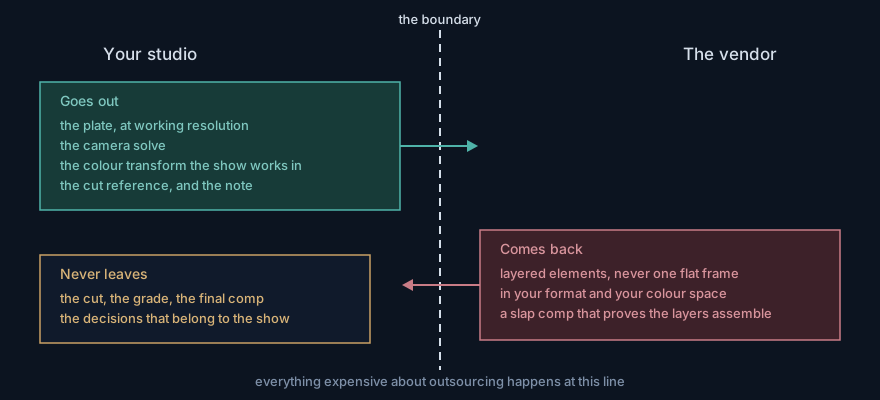
At minimum, the outgoing package contains the plate at working resolution, the camera solve or the tracked camera, the colour transform the show works in, a cut reference so the vendor knows how long the shot appears on screen and what comes before it, and the note that defines what "done" means for this shot.
At minimum, the returned work must be layered elements, not a flattened frame, in your format and colour space, along with a slap comp that confirms the layers come together as the vendor intended. OpenEXR, a format maintained by the Academy Software Foundation at openexr.com, exists to carry layered delivery. A single flattened image is a complete picture but an incomplete delivery, because the moment a note arrives the shot must go back out for anything a compositor could have handled locally in ten minutes.
The difference between those two deliveries constitutes most of the real cost difference between vendors, and that difference is almost never in the bid.
What stays yours, and what you should keep on purpose
Leave the cut. Leave the grade. Keep the final comp unless you have a specific reason to change it.
A vendor who works to your colour transform and delivers layers into your comp cannot break the show. A vendor who delivers a finished, graded, flattened frame is making decisions that belong to the show, and each of those decisions becomes a point where your supervisor now has to review taste rather than execution.
Also include the shot's context. The vendor needs to know the shot's duration, what is adjacent to it, and where the viewer looks. That takes one sentence and eliminates the most common reason a frame gets sent back: it is technically correct but wrong for the film.
Where these packages actually fail
The note loop. Pay attention to the loop, not the painting. Three rounds of notes, each with a day of delay, total a week, and that week rarely makes it into the schedule. At bid time, ask how notes are processed and how quickly, and record the answer.
Colour. Work from a vendor using a different transform can look correct on their monitor and then change once it enters your pipeline. This is the most common cause of a delivery that has to be redone, and you can prevent it entirely by sending the transform out with the plate.
Flattened deliveries. Already covered above, and it is repeated here because this problem can look successful until the first note shows otherwise.
The shot that quietly grew. When a painting quoted as a locked frame turns into a camera move, the amount of work triples, because the image now has to be broken down by depth. The scope change is real, and the vendor is not wrong to reprice it. The mistake was upstream, in a description of the shot that said nothing about the camera.
What does a good package actually look like?
A batch of shots from the same location, sent together instead of individually, with a single named contact on each side.
In shots that share an environment, the reference, palette, light, and most problems are the same. The per-shot cost of sending eight shots of the same valley to one vendor is far lower than the per-shot cost of sending eight unrelated frames, because the second through eighth inherit the first one's solution. Dividing the same location between two vendors is the arrangement that reliably creates a continuity problem, and maintaining continuity across shots painted by different people is difficult even inside one building.
A single contact on each side counts for more than it seems. Environment notes are visual, and they lose quality quickly when passed along. A supervisor speaking with an artist resolves in one exchange what a chain of four people resolves in three days.
A note on what a test shot tells you
Any reel tells you less than a pilot shot from the real show, with the real plate and the real transform. All a reel proves is that the vendor could create one image, with unlimited time, on a project you cannot see. A pilot proves they can function inside your specific pipeline, work in your colour, follow your note, and keep your pace. It also exposes the note loop before the schedule depends on it.
It is worth the cost, and you should insist on it before a large package moves.
Where to go from here
Chumak Studio produces painted environments for film and television in Toronto, and operates as a subcontracted vendor to other studios as well as working directly with productions. You can find the credit list, including the studio that handled each credit, at /credits/, and the environment lines at digital matte painting and 3D environments.
Send the plate and the note when you have a block of shots and need to determine whether it separates cleanly; you will get a direct answer about what would have to cross the boundary.