Short answer: A VFX pipeline is two things at once. It is the order a shot moves through the departments, from the plate to tracking, preparation, building, lighting and compositing, and it is the software and file rules that carry the shot between them. Most of a shot's cost is the work in each department. Most of its delay is the waiting between them.
The word turns up in every vendor conversation and is rarely explained. When a vendor says a shot "goes through the pipeline", they mean a sequence of specialists, each doing one part, each depending on the part before.
You don't need to know how to do any of it. It helps to know the order, because the order explains why a late change costs what it costs.
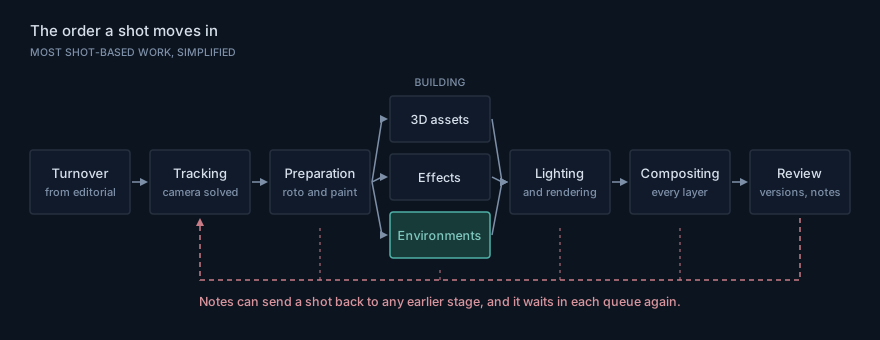
The order a shot moves in
Studios differ, but most shot-based visual effects work runs in roughly this order.
Turnover. Editorial sends the shot: the original camera footage for the frames in the cut, with a few frames of handle either side, plus the reference cut and any notes. Nothing starts until this arrives.
Tracking. The camera's movement is recovered from the footage so that new elements can be placed in the same perspective. Wikipedia describes match moving as the technique that lets new elements sit in live-action footage in the right place and moving correctly, "relative to the photographed objects in the shot".
Preparation. Often called roto and paint. Rotoscoping, in visual effects, means "manually creating a matte for an element on a live-action plate" so it can be separated from its background. Paint work removes rigs, markers and anything else that should not be there.
Building. This is where the new material is made. Depending on the shot it can be 3D models and textures, animation, effects simulation such as water or smoke, or a painted environment. These usually run in parallel branches.
Lighting and rendering. 3D material is lit to match the plate and turned into images.
Compositing. Every layer, the plate, the renders, the paintings and the separated elements, is combined into the final frame. Digital compositing is the assembly step, and it is where a shot either holds together or doesn't.
Review. Each version goes up the chain, from the vendor's own supervisor to the production's, and on to the director. Notes come back down, and they can land in any department above.
Not every shot touches every step. A sky replacement on a locked-off camera might go straight from preparation to a painting to compositing. A creature shot will touch nearly all of them.
The other meaning: the software that connects it
When a studio advertises for a pipeline developer or a pipeline technical director, it means the second sense of the word. That is the in-house software, file naming, version tracking and storage rules that move a shot from one department to the next without anyone losing a frame.
This layer is invisible to a production until it fails. A file arrives in the wrong format, or the colour transform differs between two departments. Either one is a pipeline problem rather than an artistic one.
The industry has standards to reduce this. The VFX Reference Platform publishes a set of tool and library versions each year as a common build target for software makers, with the stated aim of minimising incompatibilities between packages. Open file formats such as OpenEXR do the same job for images. When two vendors on one show use the same versions and formats, handing work between them is routine. When they don't, someone does conversion work that appears on nobody's bid.
Where the time actually goes
A department working on a shot is spending money. A shot waiting for a department is spending schedule.
The waits are predictable. A shot cannot be tracked before turnover. A painting cannot be finished before the camera is solved. Compositing cannot finish before every layer exists. And every note that sends a shot back up the chain makes it wait in each department's queue again.
That is why the timing of decisions matters more than the size of them. A note given on a rough version, before the expensive steps, touches one department. The same note given at final can touch four. More on the cost of a late note in what sets the cost of a matte painting shot.
What can a production do to keep shots moving?
Most of the levers sit on the production's side of the line.
- Turn over complete shots: plates, handles, lens notes and the reference cut together. A missing piece stops the first department, and everything after it waits.
- Lock the edit before final work. A change in shot length after rendering means re-rendering.
- Give notes on early versions. Direction on a rough blockout is cheap. The same direction after lighting is not.
- Keep one channel for notes. Conflicting notes from two people send a shot round the loop twice.
- Ask how the vendor's pipeline meets yours. Agree file formats and the colour space before the first shot, not after.
None of these needs technical knowledge. They need someone on the production side to own them.
Where environment work sits
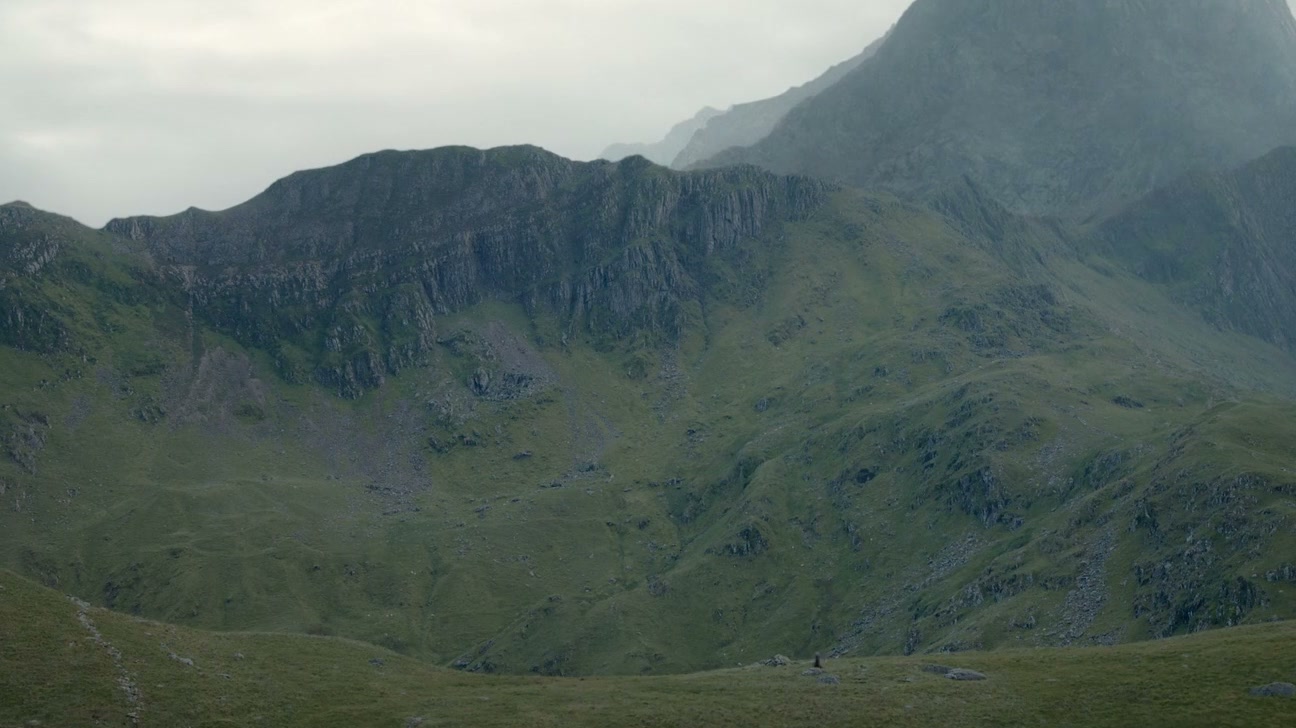
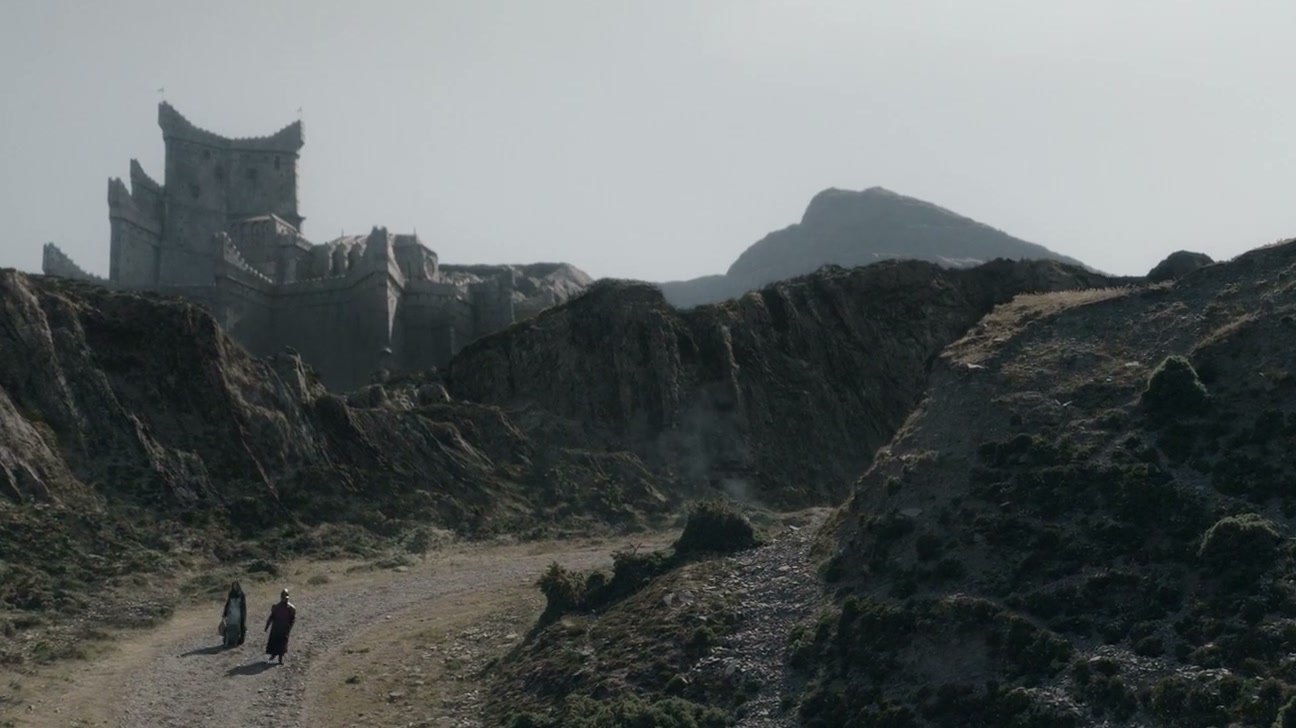
Painted environments are one of the building branches. A matte painting usually starts once the camera is solved and the plate is prepared, and it is delivered as layers that the compositor combines with everything else. The detail of that branch is in how a matte painting shot is put together.
Chumak Studio, in Toronto, works in that branch for film and television, delivering digital matte painting and 3D environments into a show's own compositing. If you want to know where a particular shot would sit in the order, send it and ask.