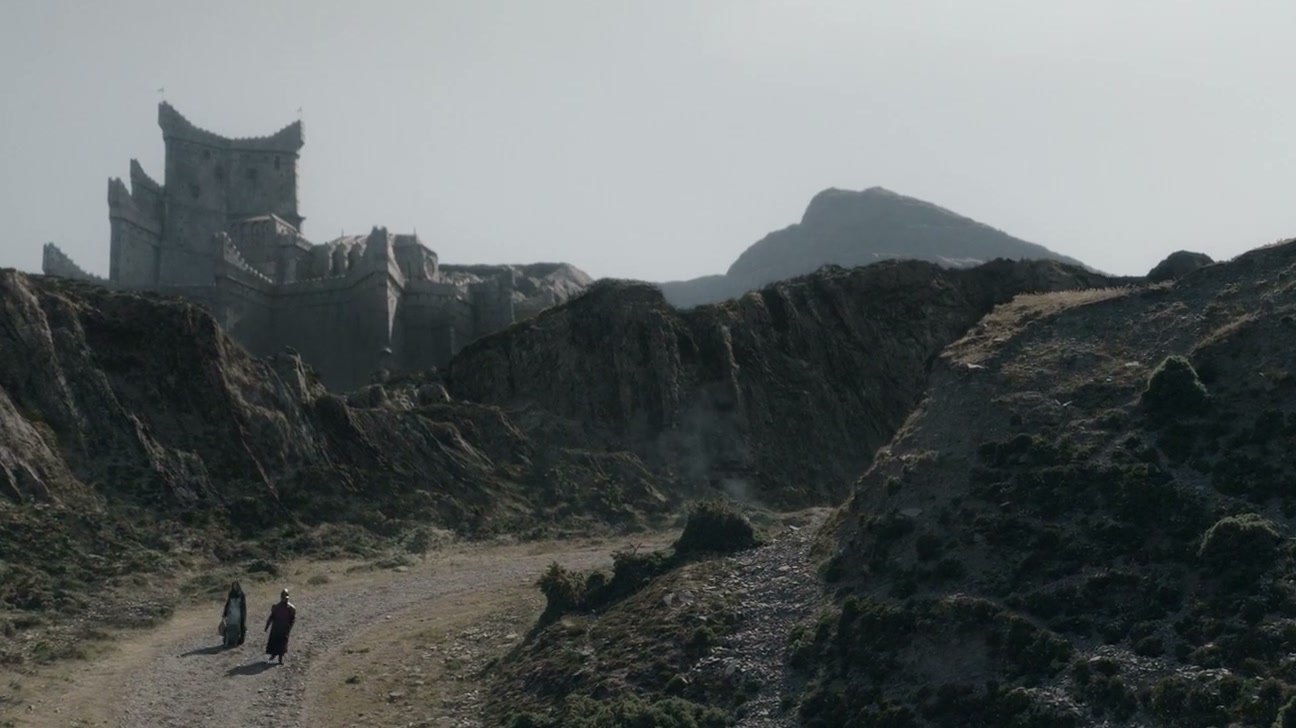
Short answer: Photobashing is building an image out of pieces of photographs, and sometimes 3D renders, blended together and painted over until they read as one picture. Concept artists use it to work fast. Matte painters use it to reach photographic realism. In both cases the source photographs matter: where they came from, whether they match, and who has the right to use them.
The word sounds like a shortcut, and it is often described as one. It's a method. Finding the photographs was never the hard part. Making a cliff from one country, a sky from another and a building from a third look as if one camera saw them on one afternoon is.
What the word means
Wikipedia's article on digital illustration describes photobashing as a process in which the artist is "merging and blending photographs and/or 3D assets while painting to composite a final art piece", and compares it to compositing in video editing. The same article notes that concept artists use it widely to work faster.
In practice the photographs are rarely used as they come. They are cut, warped into perspective, recoloured, relit with paint, and joined with painted passages that hide every seam. In a finished piece it is often impossible to say where the photograph stops and the painting starts. That is the point.
In concept art, it buys speed
A concept artist is answering a design question: what does this place look like? Speed matters more than finish, because the first few designs are usually thrown away.
Photographs give a concept artist real texture and scale for free. A rough composition built from photographic pieces can be presented in an afternoon instead of a week, and it reads more convincingly to a director than a sketch would. The image does not have to hold up at full resolution or on a moving camera. It has to communicate an idea.
That difference is why a photobashed concept is not a finished shot, a confusion covered in matte painting or concept art.
In matte painting, it buys realism
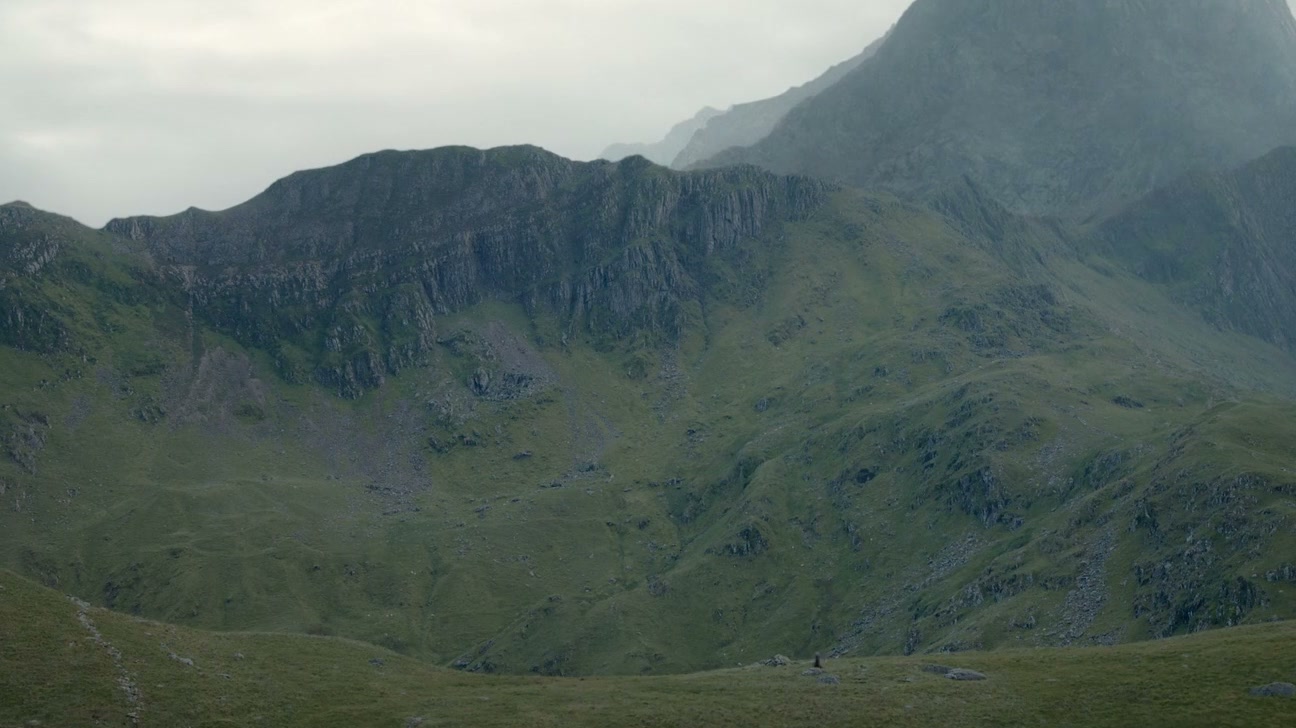
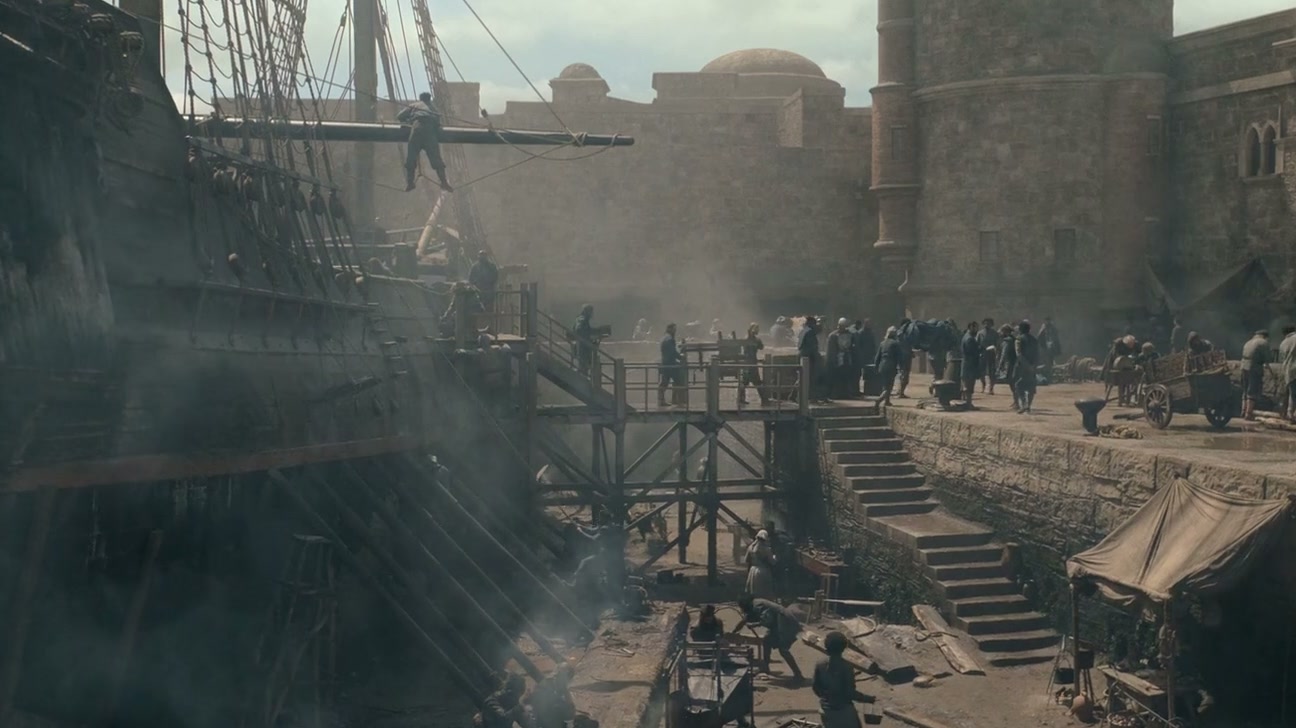
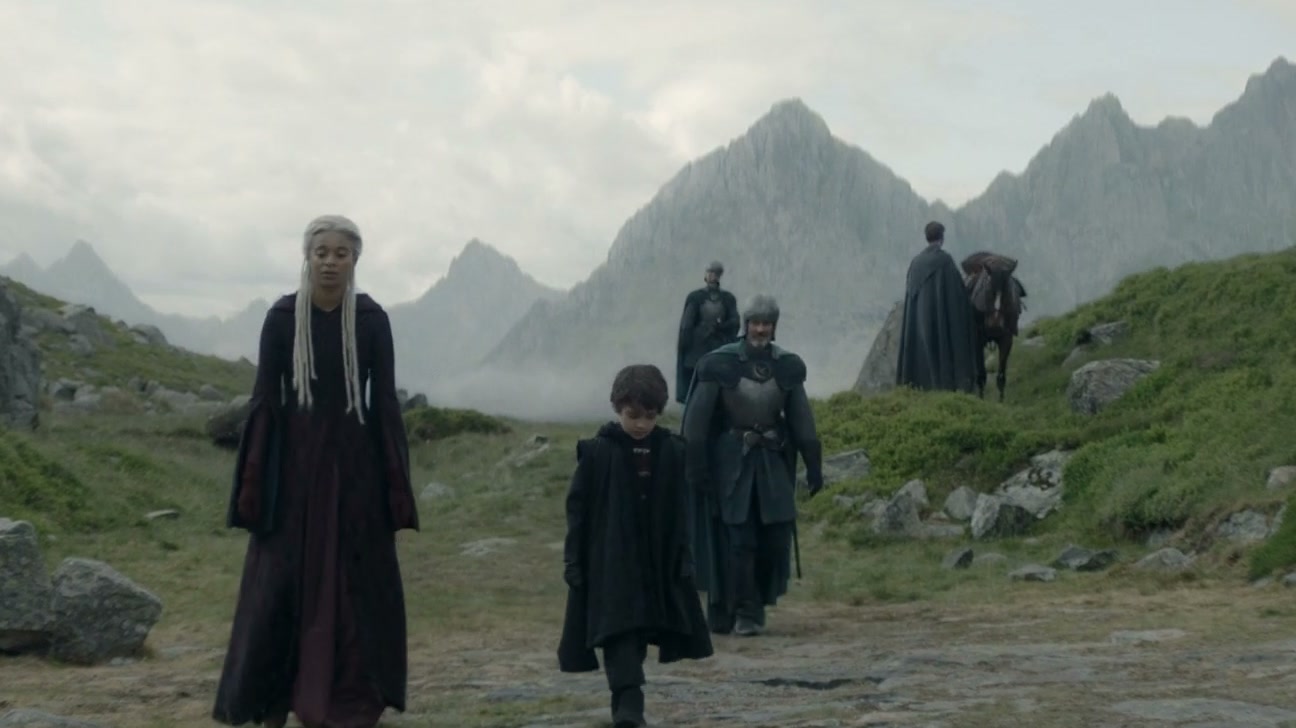
A matte painting has a stricter target. It sits in a frame next to real photography and has to be indistinguishable from it, at full resolution, often through a camera move.
Photographs are the shortest route there. They carry the detail and randomness of real surfaces that are slow to paint from nothing. They also bring every inconsistency with them: different light, different lenses, different weather, different grain. Timothy Mueller of ILM, talking to VFX Voice about blending paint, photographs and renders, put the standard plainly: the painting "must feel like an organic part of the world, with lighting, camera angle and mood all perfectly matched".
Most of a matte painter's skill in photobashing goes into what the photographs do not supply:
- One light. Every piece repainted to the sun direction and colour of the plate.
- One lens. Perspective and distortion matched to the shot's camera.
- One atmosphere. Haze and contrast falling off with distance at the same rate across every piece.
- One grain. Noise and sharpness matched, so no piece looks cleaner than the footage.
When any of those is wrong, the eye catches it before the viewer can say why.
Where the photographs come from
There are three common sources, and they carry different rights.
Photographs the artist or studio took. Location reference, travel photography, texture shoots. The cleanest source, because the rights sit with whoever pressed the shutter.
Photographs shot for the production. Reference and tiles captured on set or on a scout. These usually belong to the production, which is why they are often the best material for that show's environments.
Licensed libraries. Stock and texture libraries sold for this purpose, under a licence that sets what the image can be used for.
The source to avoid is the one that turns up in a search. A photograph found online generally belongs to the person who took it, whether or not it carries a notice. Painting over it doesn't change that.
What should a production ask about the photographs in its shots?
Ask one short question at the start, and you avoid an uncomfortable one later: where do the photographs in your work come from, and what licence covers them?
A vendor who photobashes from their own and licensed material will answer at once. Most productions also have a legal or clearance team with its own requirements for third-party material, and it is worth asking them before the work starts rather than after the shot is final. The questions to ask a VFX vendor cover the rest of that conversation.
Agree on what you will receive, too. A layered file shows which parts are photographic and makes later notes cheaper to address. A flattened image hides both.
If you need a painted environment
Chumak Studio, in Toronto, paints environments for film and television. The work is described on the digital matte painting and concept art pages. If you have a frame and want to know how it would be built, send it and ask.