Short answer: A VFX shot list, often called the breakdown, is a table of every shot in the show that needs visual effects work, with what each one needs. It starts from the script, gets refined against storyboards and then the edit, and it is the document vendors bid from. A shot that is missing or vaguely described in it is a shot that gets repriced later.
A visual effects shot is any shot whose picture is changed after filming. That covers everything from removing a crew member's reflection to a fully computer-generated sequence. Most shows have more of them than anyone guesses at the script stage, because the small invisible fixes are rarely written into the script.
The shot list is how a production keeps count. It's also the first document a vendor reads. And its quality sets the quality of every bid that comes back.
What goes in a shot list
There is no single standard, and every supervisor's version differs a little. Most carry roughly these columns.
| Column | What it holds |
|---|---|
| Shot ID | Sequence plus shot number, used on every file from then on |
| Scene and page | Where the shot sits in the script |
| Description | What the audience should see, in a sentence or two |
| Work type | Paint-out, sky, set extension, creature, full CG |
| Camera | Locked off or moving |
| Length | Frame count, estimated until the edit exists |
| Elements | What has to be shot or sourced, such as a clean pass |
| Difficulty | A rough grade, often easy, medium or hard |
| Status | Bidding, in progress, omitted, final |
The description and the work type do most of the pricing. The camera column is the one most often left blank, and it moves the price most for environment shots, for reasons covered in what sets the cost of a matte painting shot.
How the breakdown grows up
A shot list is rewritten several times, and each version is more accurate than the last.
From the script. The first breakdown is usually done on the production side, early. Kathy Chasen-Hay, a studio-side visual effects executive, told VFX Voice that her team breaks down a script "before a director is hired", then discusses shoot methods with the line producer before sending the breakdown to a handful of trusted vendors. At this stage counts are estimates.
From the boards. Storyboards and previs turn "they fight in the burning building" into a number of actual shots. In a VFX Voice planning exercise, one supervisor recommended splitting each sequence into easy, medium and hard shots from the script pages, and noted that a breakdown done against storyboards "would give a far more accurate estimate".
From the shoot. What was actually filmed replaces what was planned. Shots are added where something went wrong, and dropped where the effect was caught in camera.
From the edit. The cut decides which shots exist and how long they are. This is the version a vendor's final price is based on. It's also the one that changes most.
How vendors bid from it
The breakdown goes to several vendors at once. Each reads it and returns a price per shot or per sequence, along with a proposed method. Pieter Luypaert, a visual effects producer, told the same VFX Voice feature that breakdowns give vendors the information they need to "provide a first bid and propose a methodology", and that the method chosen, such as a 2D solution instead of 3D, can drive both cost and schedule.
Bidding often runs in more than one round. A supervisor in the planning exercise described the first round as "blue sky", priced as if money were no object, and the second as the conversation about how much budget there really is.
The second round is where a good shot list pays off. If the description says what each shot is for, the vendor and the supervisor can find cheaper methods that still serve the story. If it only says "VFX: environment", there is nothing to negotiate with except the price.
What goes wrong with shot lists
The same few problems turn up on most shows.
- Invisible work left out. Sign removals and monitor replacements are individually cheap, but together they make a line item nobody budgeted.
- Descriptions that say what, not why. "Add mountains" can be a day or a month. "The audience needs to feel they are cut off" lets a vendor size the job.
- No camera information. A locked-off shot and a moving one with the same description can be very different jobs.
- Shots split between vendors without saying so. Two vendors painting one location need a shared reference.
- The list not updated after the edit. Bids made against an old version are then corrected by change order, one shot at a time.
Do I need a shot list if there are only a few shots?
Yes. A short list is still the cheapest way to get comparable bids and avoid arguments later. Even five lines with a shot ID, a sentence of description, the camera move and the frame count will get you better prices than an email that says "a few cleanup shots and a sky".
If a single shot is going to one vendor, the list becomes the brief. How to brief a matte painting covers what to add when the shot is an environment.
When the list includes environments
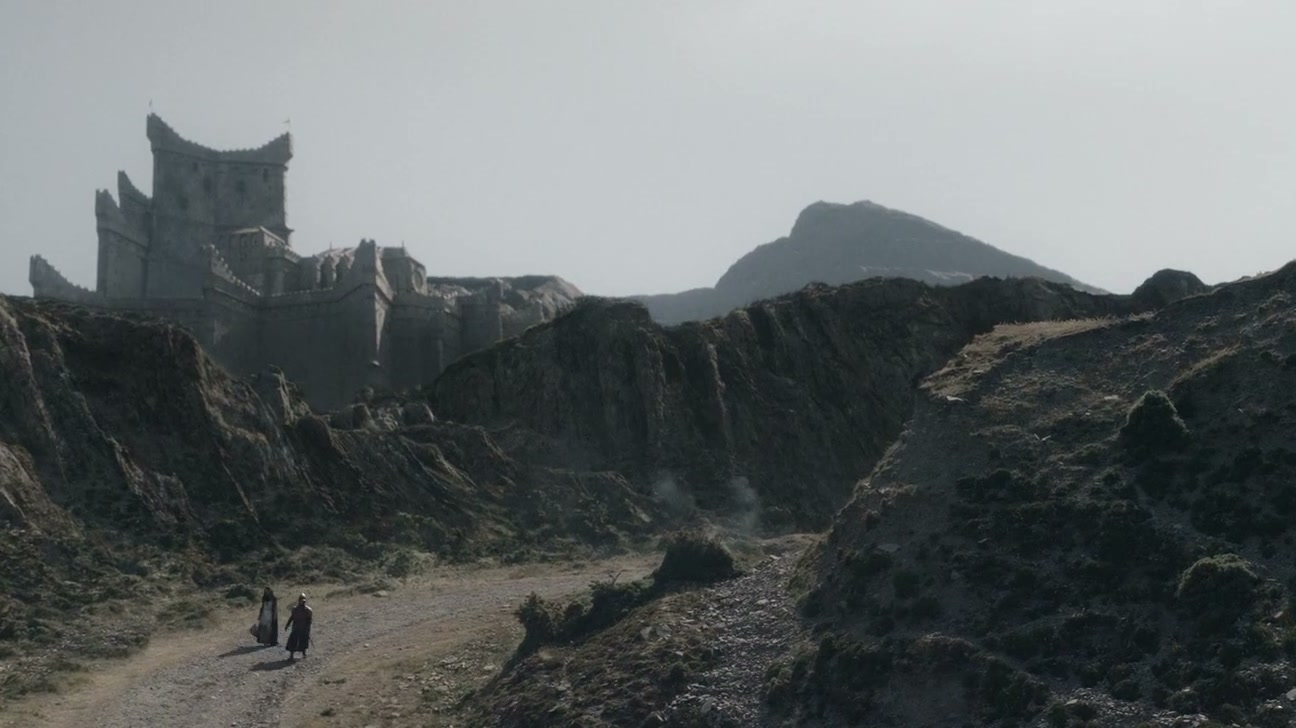
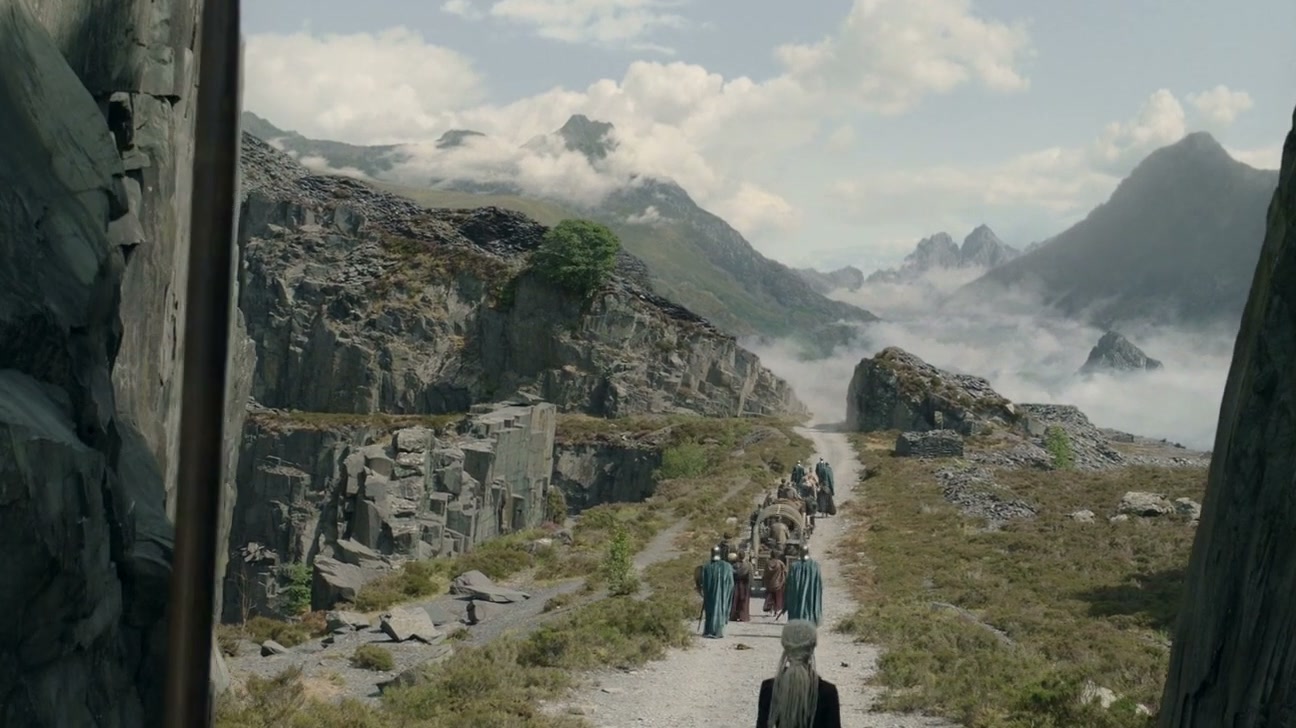
Chumak Studio, in Toronto, paints environments for film and television, including skies and set extensions that a breakdown lists under environment work. The work is described on the digital matte painting page. If you have a breakdown and want the environment lines read before you send it out, send it over.