Visual development
Visual development is the stage when a world changes from a written description into a shared visual reference for the whole crew, covering its architecture, climate, and light conditions. Chumak Studio sets that language before the pipeline locks and the cost of changing it increases sharply.
- Years active
- 2016–2026
- Based in
- Toronto, Canada
- Published examples here
- 2 project pages
More work is being added to this gallery.
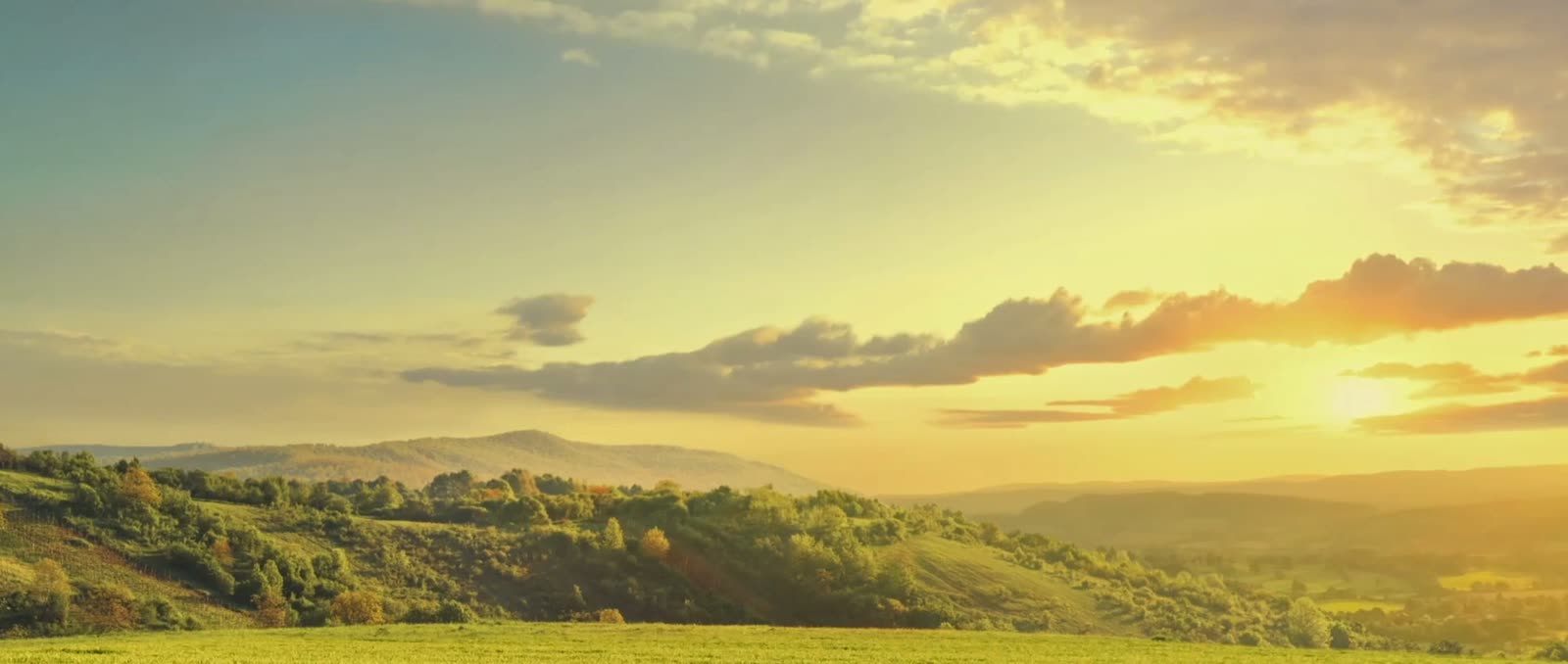
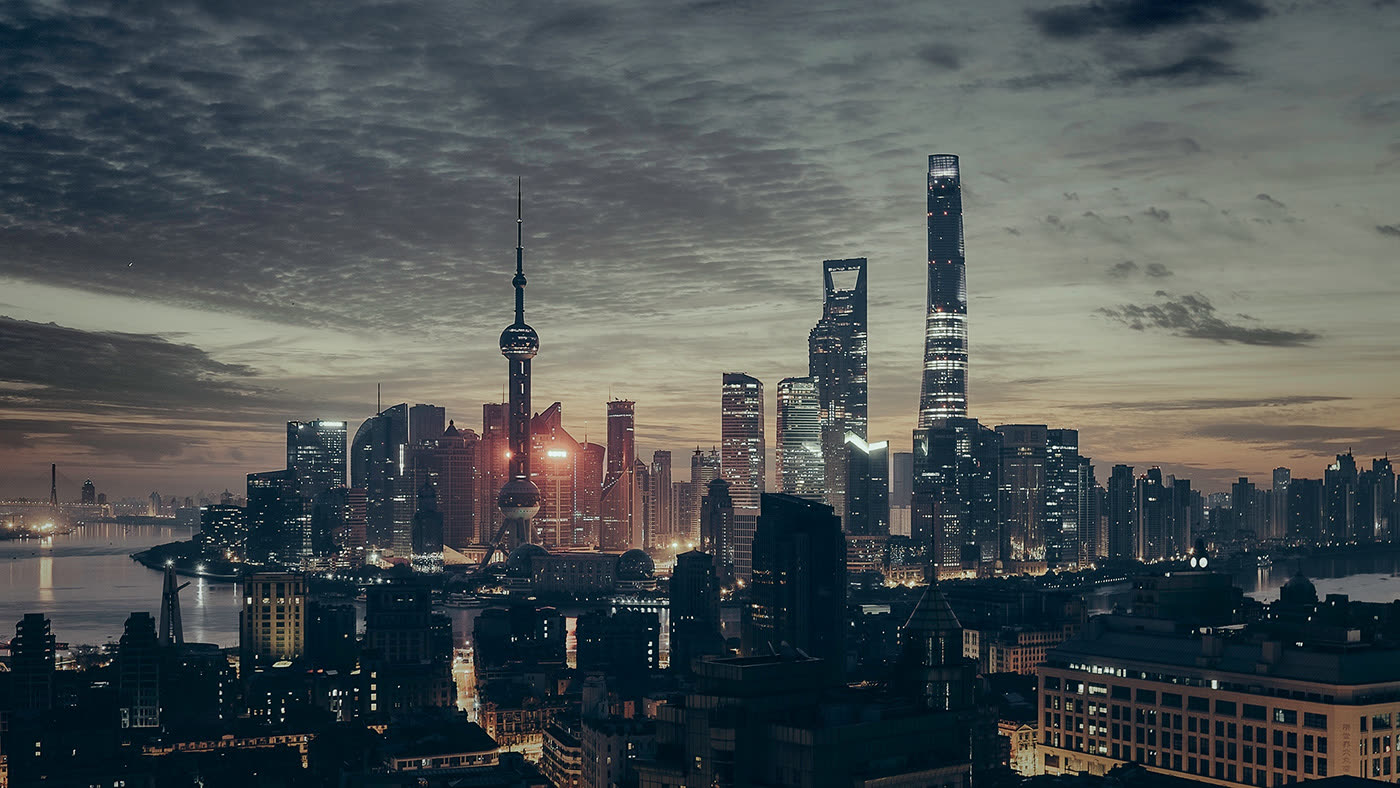
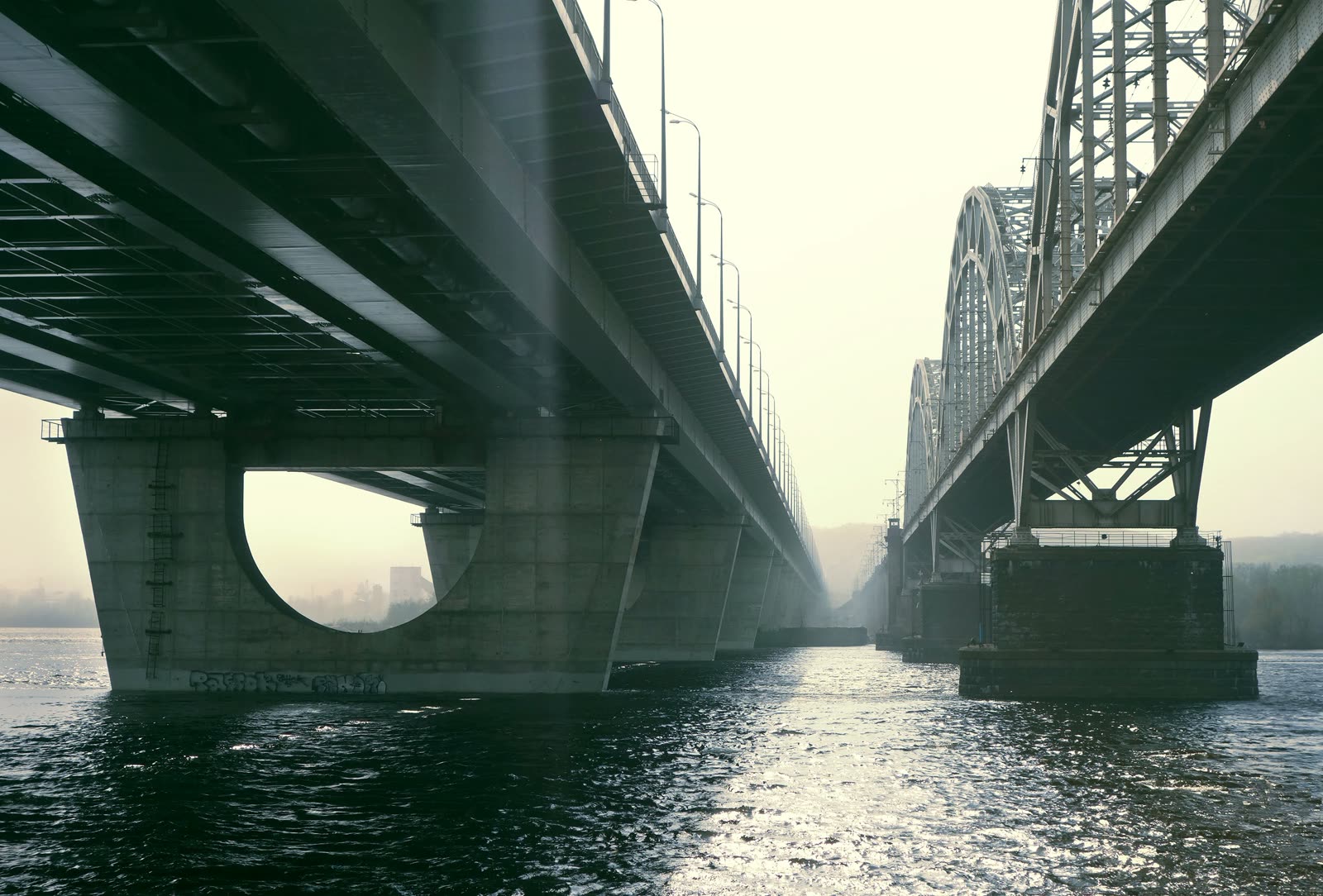
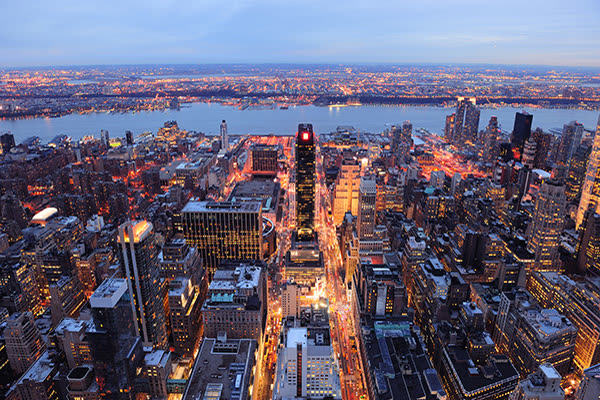
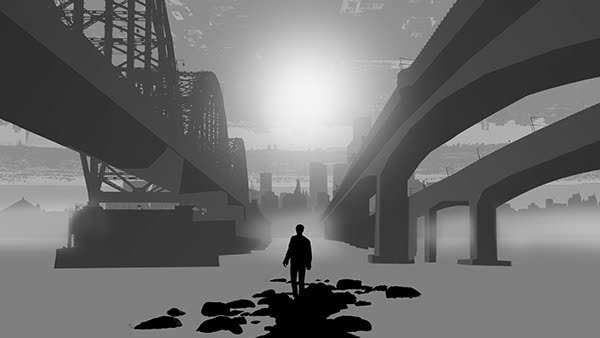
Broader than a concept, narrower than a painting
A concept describes the appearance of one place. Visual development defines the rules governing that world, so the next twenty places can be found without returning to the beginning or conflicting with one another.
It occurs before the pipeline is locked, at a point when the story already exists and the location does not, and when altering a fundamental decision still costs a conversation instead of a department. That timing is the economic reason for this phase, and omitting it usually costs more later than buying it does now.
Exploration comes in sets
Single images have no basis for comparison, so the only test is whether somebody likes them. That reaction is a preference, not a decision, and a more senior person reverses it the first time they see the frame.
At this stage, the images Chumak Studio produces are designed for comparison: one place at three hours of the day, one building at three stages of ruin, one sky doing three different things. Side by side, the differences make the case, and the decision that follows stands because everyone can see what was given up to reach it.
What a world has to have decided
Architecture and the method used to build it show how it looks when it fails. Climate, since no other factor makes a place feel real as cheaply or makes it feel fake as quickly as weather. Vegetation, which establishes the date of a place and a season with more accuracy than any other element in the frame.
After that, the light is rendered as it behaves at the hours when the story actually takes place, not at the hour that flatters a portfolio. Beneath all of this sits a logic of materials: what objects here are made from, how they respond under this light, and why surfaces across a world appear to belong together.
Decide the colour pipeline here, not later
The colour space in which the show will live is the one technical choice that matters during visual development, since it quietly restricts everything that is explored afterwards.
A palette built on one display and then transferred to another display is not the same palette. ITU-R Recommendation BT.709 specifies the colour space for high-definition television, while BT.2020 specifies the wider gamut used for ultra-high-definition; the International Telecommunication Union publishes both at itu.int. Productions that adopt ACES, published through ACEScentral at acescentral.com, settle on one answer for every vendor. Any exploration inside that answer passes review. Any exploration outside it has to be approved a second time.
It has to survive a schedule
Visual development faces its test in month five, when an artist who was not in any of those meetings takes a shot of an unexplored place and has to make it belong.
Chumak Studio therefore provides a defined language alongside the images: the palette, the silhouette rules, the material logic and the light, set out so that someone can build against it without needing a question answered for each shot. Work that has passed through Ukrainian and Chinese features and then into episodic television is shaped by that pressure, since an episodic schedule leaves no time to find again a world that was already found once.
Questions producers ask
How is this different from concept art?
A single concept resolves one place. Visual development defines the language shared by the places, so the next twenty can be found consistently. They are often bought together, and the concepts improve when development is done first.
How many images does this produce?
The scope is determined by how many open questions the world has, not by an image count. A smaller set of images that genuinely disagree is more valuable than a large collection of variations, and the scope is settled before the work starts rather than widened while it runs.
Do we get the working files?
Yes, when the contract requires it. Layered files carry more importance than usual in development work, because your crew will keep extracting elements from them for months after the exploration ends.
Should the colour pipeline be settled by now?
In an ideal situation, yes. The gamut that bounds every palette explored is ITU-R BT.709 or the wider BT.2020 gamut, depending on how the show finishes, and a production on ACES (acescentral.com) has answered it for all vendors at once.
Can this build on a production designer's work?
Yes, that is what normally happens. The source is the world they have designed, and from it Chumak Studio creates the locations that will exist only as environments, built to the specifications the visual effects crew can use.
Will the result be affordable to actually make?
The work is written under this constraint. When a world cannot be delivered within your schedule, the failure belongs to this stage rather than to the crew who take it over, so buildability is treated as part of the design.