Digital illustration
Digital illustration is a single completed image handling all of the work by itself: composition, light, story, and the point where the eye goes first. Chumak Studio paints each one from beginning to end, with no plate beneath it and nothing later in a pipeline that can rescue it.
- Years active
- 2016–2026
- Based in
- Toronto, Canada
- Published examples here
- 2 project pages
More work is being added to this gallery.
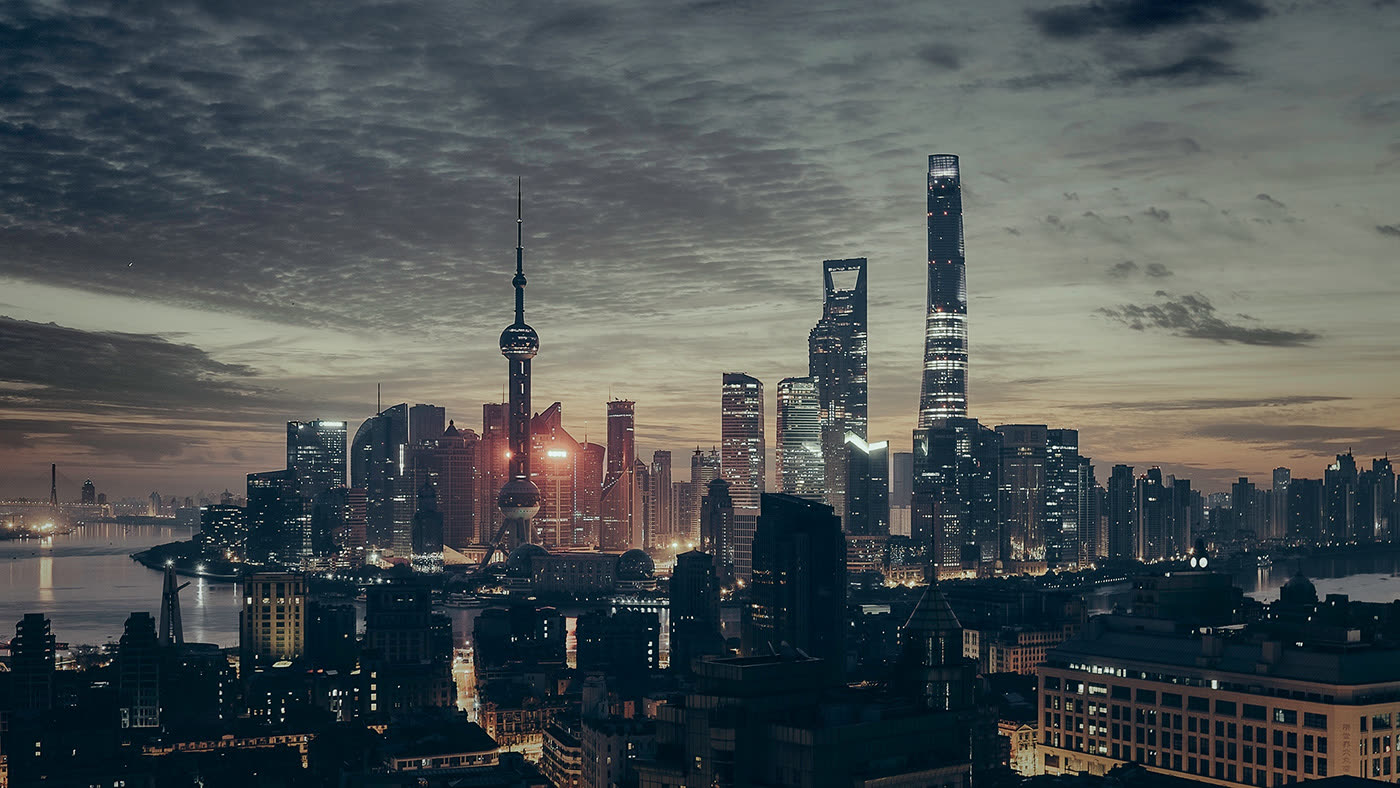
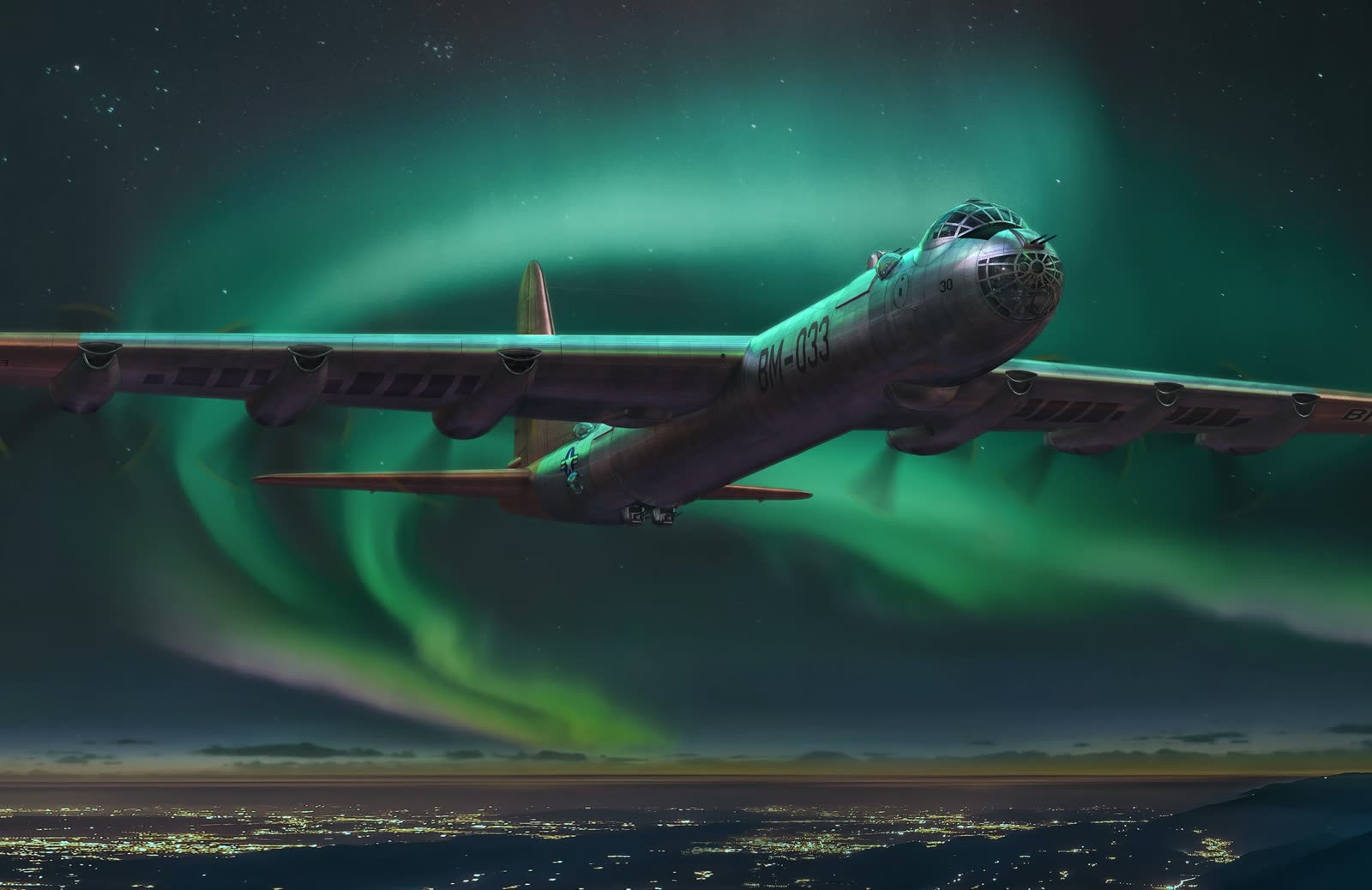
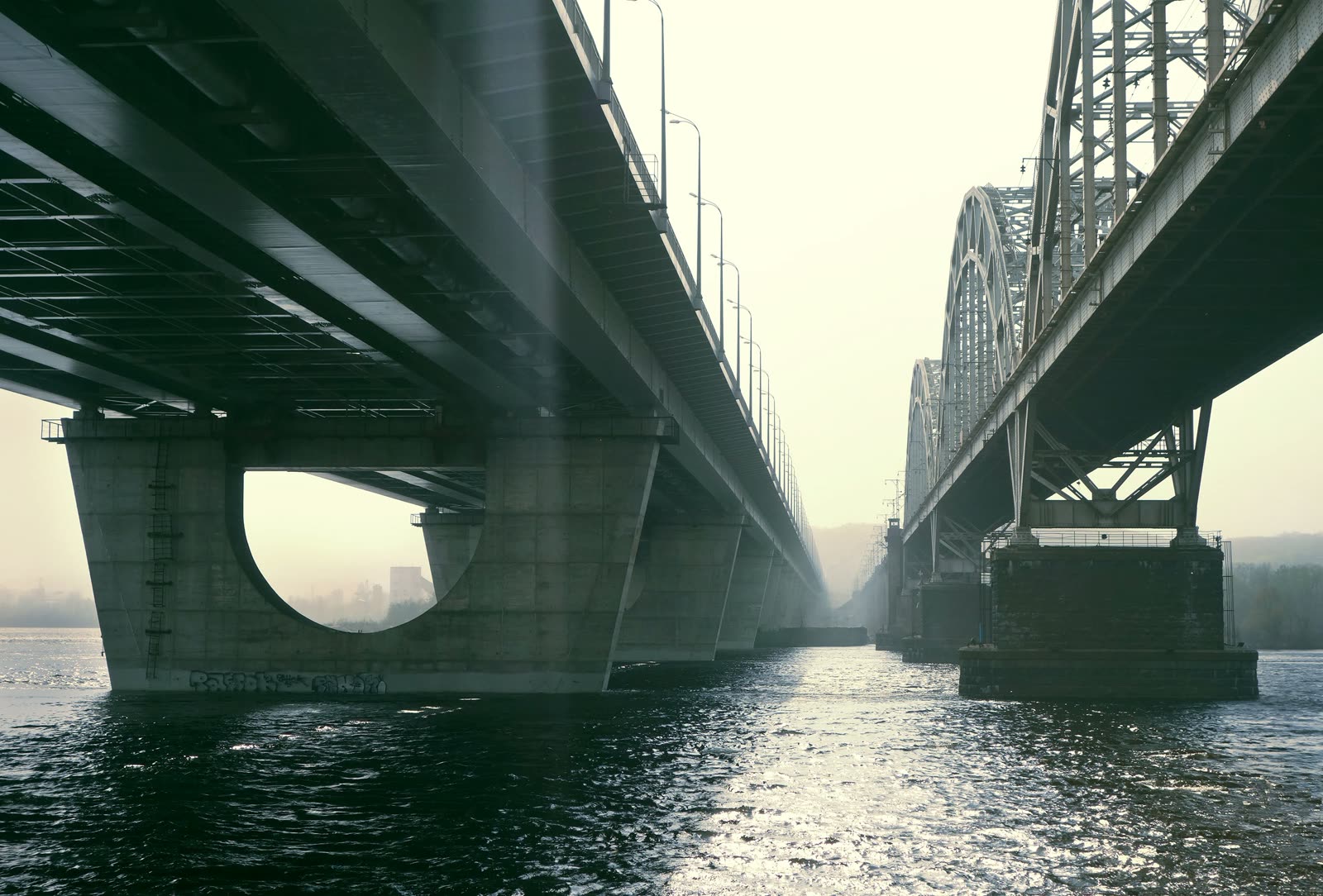

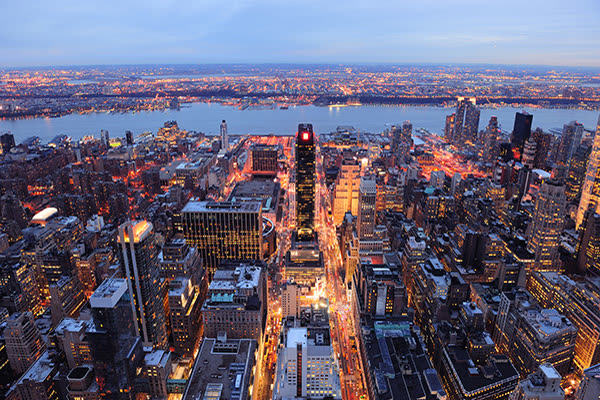

Nothing around it is carrying the frame
Everything around a film frame supports it. Three seconds, a cut before and a cut after, sound, performance, and a story already moving all belong to it, and it only needs to play its part.
A single frame has none of that. It must establish the location, show what is happening, and keep attention long enough to matter, all inside one static rectangle that an observer can study for as long as they want. Every weakness stays open to close examination, which is why the method below does so much of the work.
The tonal sketch decides it
Chumak Studio resolves the image at small scale and in tone before any painting starts: where the eye falls, what the silhouette is doing, how the frame is split, whether the value structure still holds with the colour removed.
Nearly every problem in a finished illustration existed in the initial sketch and only became less visible as detail was added. The person making the image loses sight of a weak composition as detail builds up, and once someone else notices the issue, correcting it costs the whole painting instead of ten minutes.
Built so any part can be taken back
Chumak Studio applies the paint in layers because the client will ask for a different sky once the rest is final, and that change should cost an afternoon rather than a repaint; the layering is not about neatness.
The same image can also be changed later, cropped to fit another layout, extended, or repurposed for a second use, with no need to restart. An illustration supplied solely as a flattened file has a single use and cannot be altered after delivery.
Print and screen are different jobs
The viewing destination has to be settled before any paint is applied, because it dictates the working resolution, the colour handling, and the level of detail that is worth painting at all.
Colour is where the technical detail begins. The profile specification published by the International Color Consortium and available at color.org is what allows a colour to keep its appearance as it moves from a display to a press. Work made for screens falls instead within the colour space set out in ITU-R Recommendation BT.709, which the International Telecommunication Union publishes at itu.int. An image created for one space and reused in the other rarely arrives unchanged.
IMMERSIVE, end to end
IMMERSIVE was assembled in Photoshop in this order: a photograph taken on the left bank of Kyiv, a tonal sketch, a central composition chosen deliberately to place the viewer inside the moment instead of remaining an observer, and the painting itself.
Because there was no plate to inherit and no sequence to carry it, this picture is the clearest example on this site of the whole method in one image. The environment work teaches how haze builds with distance and how light falls away over a horizon; that lesson does the work in the image without being pointed at. Nothing in it is generated either: every element is photographed, rendered or painted.
Questions producers ask
Print or screen?
The decision is made before the first stroke, since it alters the working resolution, colour handling, and how much detail is worth painting. Print work is based on ICC profiles (color.org); screen work is based on the ITU-R BT.709 colour space.
Do we receive the layered file?
If the agreement provides for it, yes, and asking for that is sensible. Because the layers are present, a later crop, extension or reworking remains cheap instead of a fresh commission.
Who owns the finished image?
Whatever is put down in writing and agreed before the work starts is what applies. For commissioned illustration, the rights generally pass to the client, and Chumak Studio defines the extent of the transfer instead of assuming it.
Can you match an existing series?
Yes. A series, once established, sets rules for light, eye level and the amount of the frame the subject occupies, and each new image is made to sit beside the existing ones rather than to repeat the previous method.
Do you use generated imagery?
No. Each element is shot, rendered, or painted by hand. A number of industry outlets that feature this category of work reject generated material entirely, and apart from that, it is a fixed rule here.
What is needed to commission one?
The purpose of the image and where it will appear, the final size and format, any subject that must be accurate, and the date. Usually the need for accuracy matters more to the work than size does.