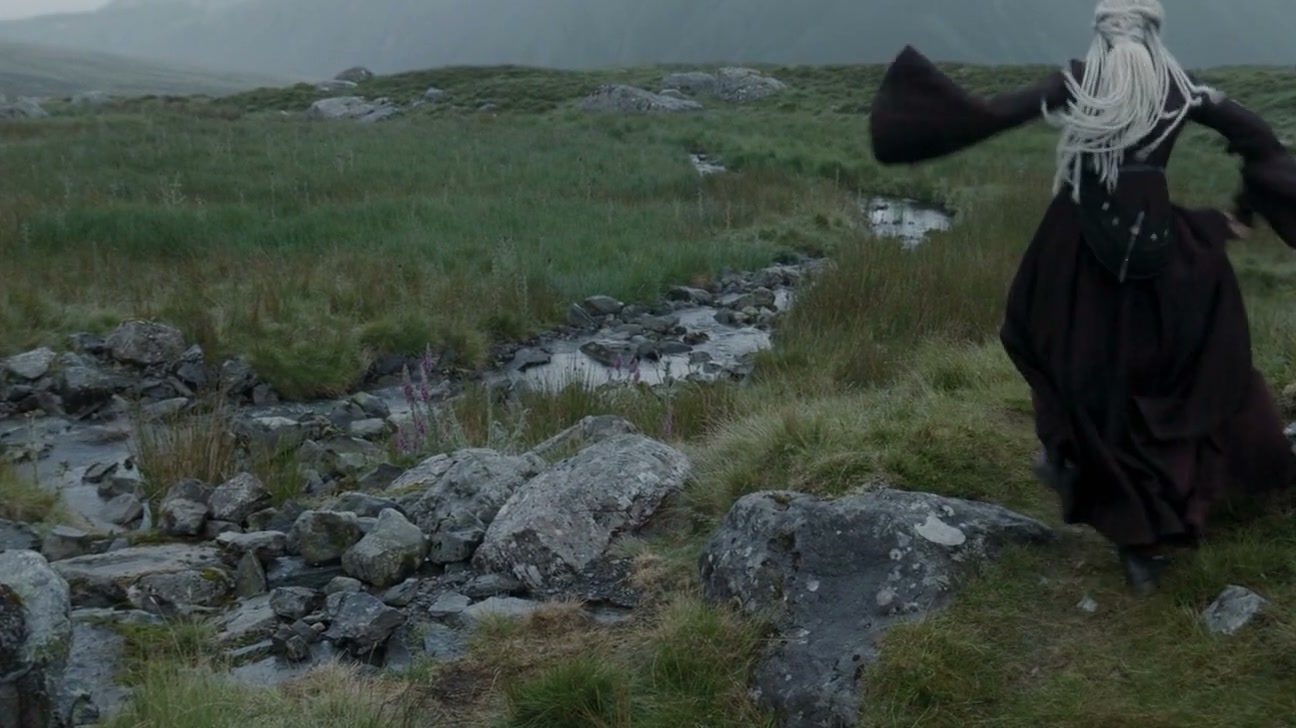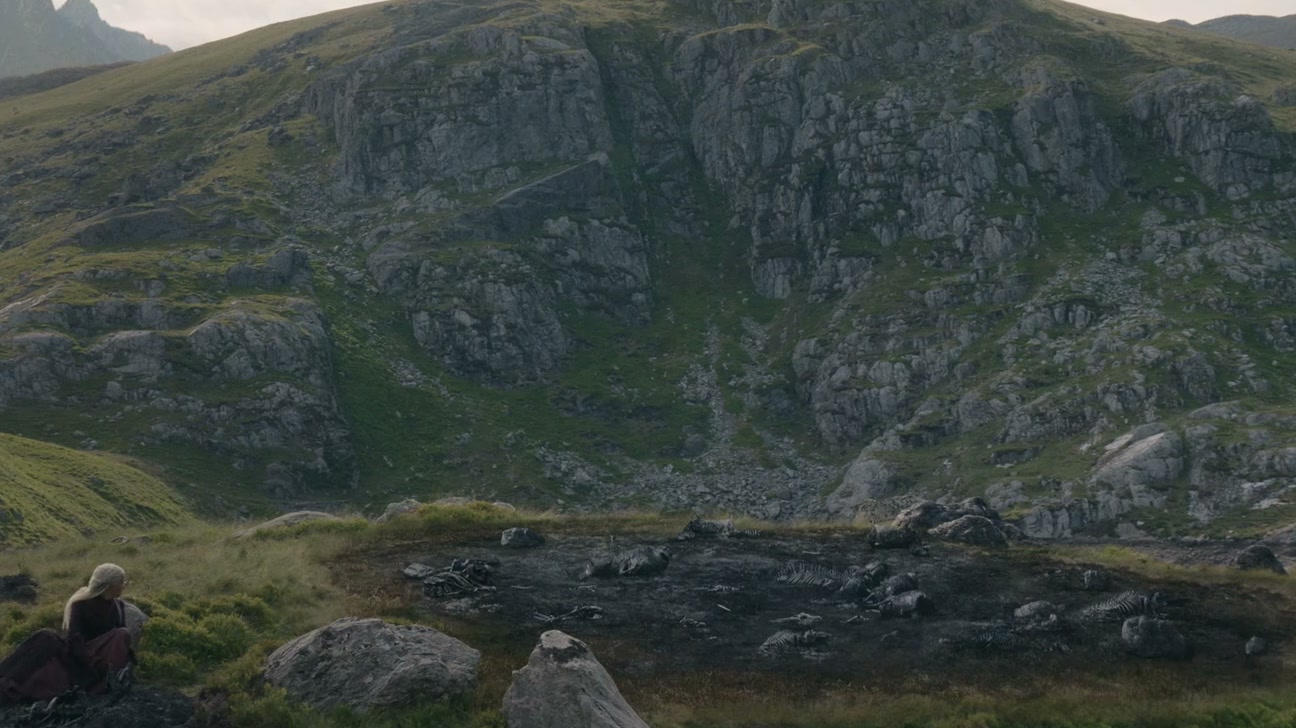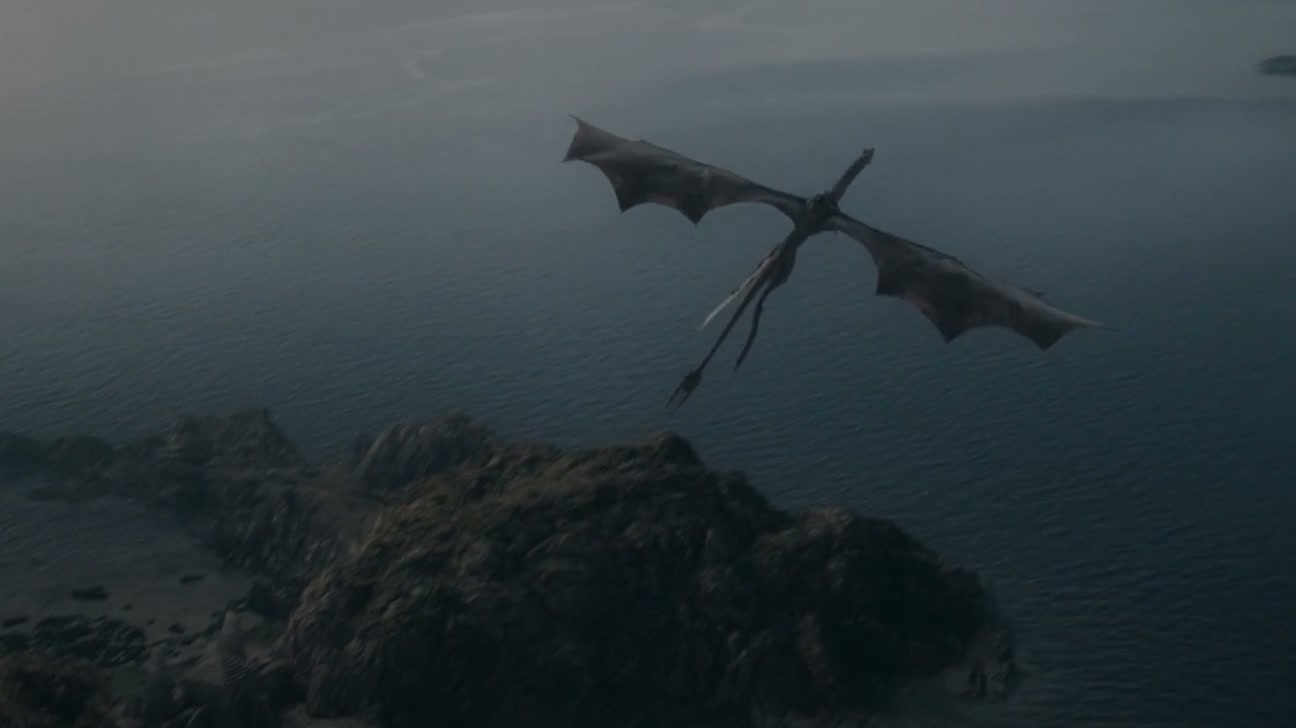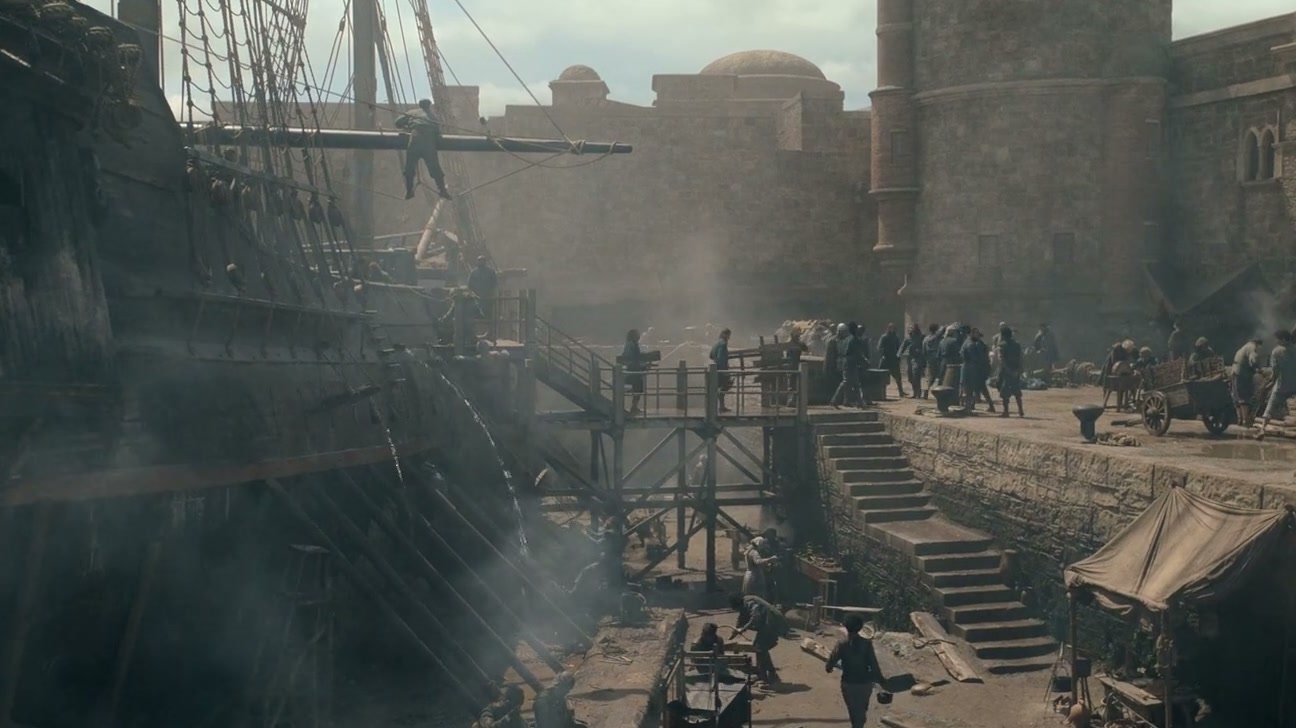
Short answer: A set extension is when you build only the part of the set that the actors touch, light it, shoot it, and then add the rest of the space later as a painted or CG environment that matches the plate. It usually costs less than a full build, and sometimes far less. The savings disappear when the camera moves often, when actors work with the far part of the set, or when the design keeps changing after the shoot.
The phrase "set extension" gives the impression of a modest addition to a completed structure. In practice, the extension often accounts for most of the space, and the built area consists only of a wall, a floor and a doorway.
This sets out which parts are actually built from the outset, which parts are added later, and how to determine which side of the line a given sequence falls on before the money is committed.
What a set extension actually is
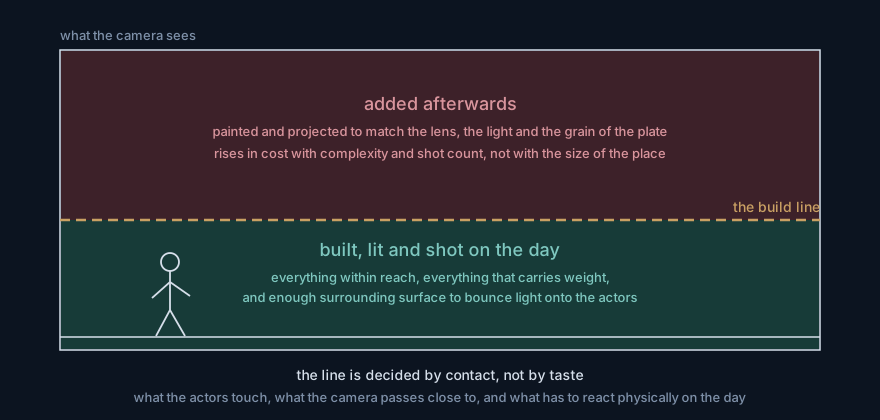
A line cuts through the frame. Below and inside it, what was built is real: the floor the actors stand on, the wall they lean against, the door they open, the practical lights that are in shot. Above and beyond it, everything else is added in post and matched to the lens, the light and the grain of the plate.
The line does not always run horizontally. A courtyard set may be built as two full walls, with the other two added later. A corridor may be built at full height for six metres and continue for a hundred more in post. Aesthetics do not determine the line. Contact determines it: the things actors touch, the places the camera passes close to, and anything that must physically interact with something else on the day.
The extension must be built to the same standard as all other environment work, since it will be intercut with the constructed portion of the same frame. A painted wall next to a real wall in the same shot, under the same light, is the most punishing test possible.
What you still have to build
People make errors with set extension budgets here, because they assume that the extension replaces construction, but it replaces only part of it.
You continue to build every object you can reach. You also build any piece that must support weight or take an impact. You build enough of the surrounding surfaces to light the actors correctly, because light reflected from a wall that is absent never shows on their faces, and creating believable bounce later is much more difficult than building that wall.
You must also ensure the top of the built structure ends at a spot that can be concealed or replaced without visible traces, which typically means going a little beyond the bare minimum. A build that stops exactly at the frame edge on the shooting day becomes a problem once the shot is reframed in the edit.
When the extension is cheaper, and it usually is
When the location is very large. Construction costs increase with size. The cost of an extension increases with complexity and shot count, not with how large the imaginary building is. A cathedral is expensive to build, and painting it costs no more than painting a large room.
When it appears in few shots. If a location appears in six shots, that is not enough to build it. If the same location appears in two hundred shots across a season, it starts to be enough to build it.
When its existence is impossible. Anything historical, destroyed, impossible or off-planet lacks a less expensive alternative, and no real comparison occurs.
When the schedule is the constraint. Construction needs weeks of calendar time, and spending more cannot shorten that. Post can handle more parallel work, but only up to a point.
When it is not cheaper
When the camera moves through the space often. The extension becomes harder with each added camera move, since the painting must remain convincing while the perspective shifts. That demands depth, projection and rebuilding. A build begins to win when a single location involves many moving shots.
When performers engage with the distant section. A person walking into the extended area, casting a shadow on it, or throwing something into it changes a simple extension into an interaction problem. Each of those can be solved, and each has a cost.
When the design has not yet settled. On the day a build is constructed, the design stops moving. An extension keeps it open, which can look like an advantage, but it only becomes one if somebody actually closes it. The surest way to spend more on an extension than the build would have cost is a design that keeps changing through post.
When there is an exceptionally large shot count. Once the shot volume passes a certain point, the per-shot cost of post work exceeds a one-time construction cost. Where that point lands depends on the show, and you should ask your visual effects supervisor and your production designer to determine it jointly rather than separately.
How do I decide before I commit?
Pose four questions in the sequence given, and answer them while the designer and the visual effects supervisor are both in the same room.
How many shots are involved, and how much of the frame is covered? A job that involves six shots with the extension limited to a strip along the top is different from one that involves sixty shots where the extension covers most of the image.
What does the camera do? Count the shots that involve camera movement, specifically. No other single fact affects cost as much as that number.
Does anyone make contact with it? Track touching, shadow, dust, reflection, and anything thrown or dropped. List each occurrence shot by shot.
Is the design locked? If you answer honestly and the answer is no, assign someone to lock it by a set date, and add that date to the schedule. This question is skipped more than any other, and it is what causes the overspend.
Settling these questions on paper before committing to the build takes a half-day meeting. Doing so after the shoot costs considerably more, because by then only one of the two options remains available.
Where to go from here
Chumak Studio, in Toronto, creates environments for film and television, including set extensions and digital matte painting and the 3D environment work that a moving camera typically requires beneath them.
When you have a sequence and need to determine where the build line should sit, send the shot list and the designer's drawings. You will get a straight assessment of which shots are straightforward, which ones will add cost, and whether the extension is the right call at all.